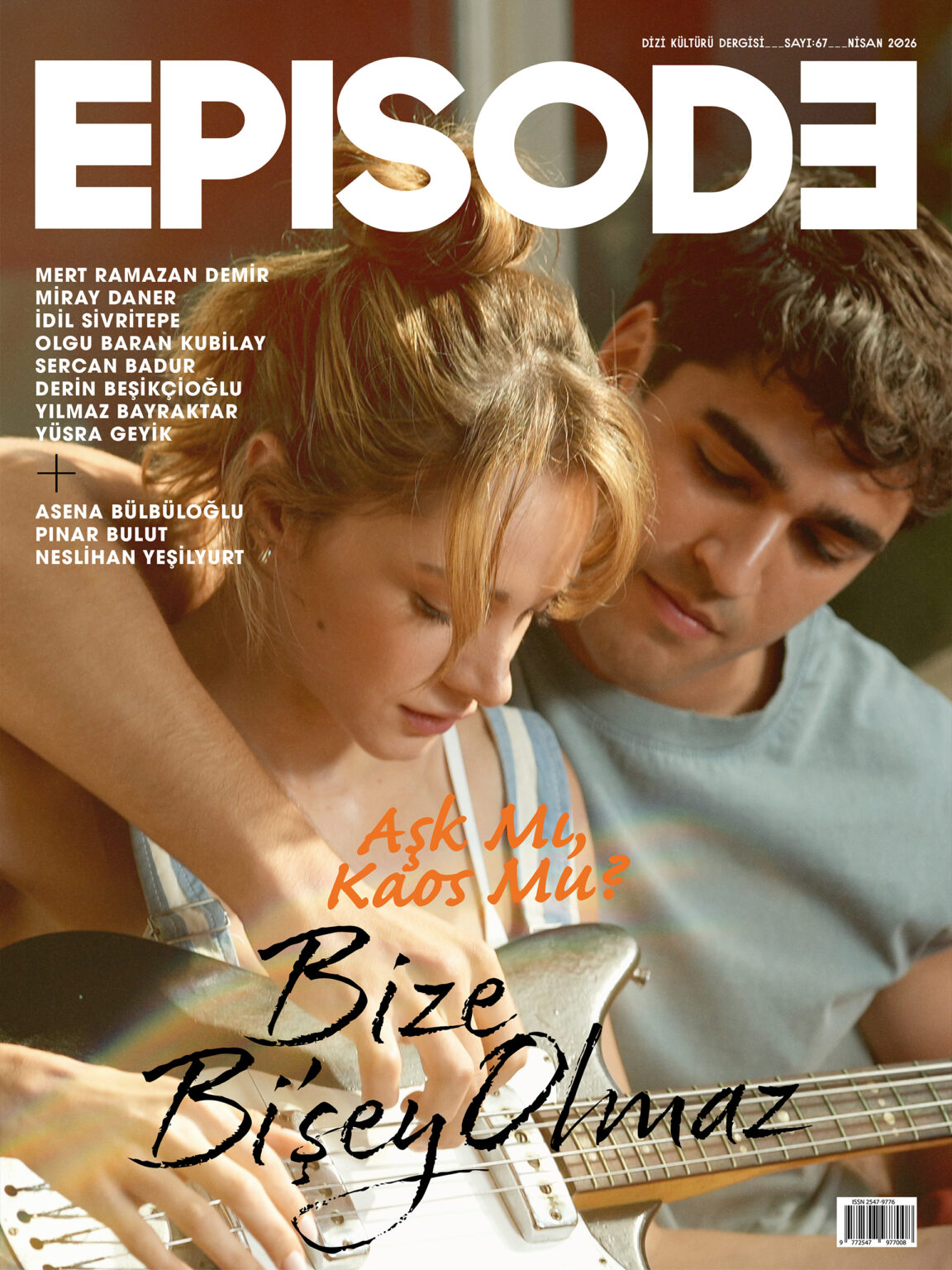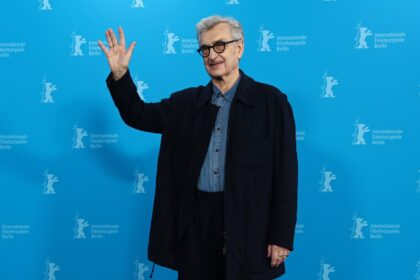







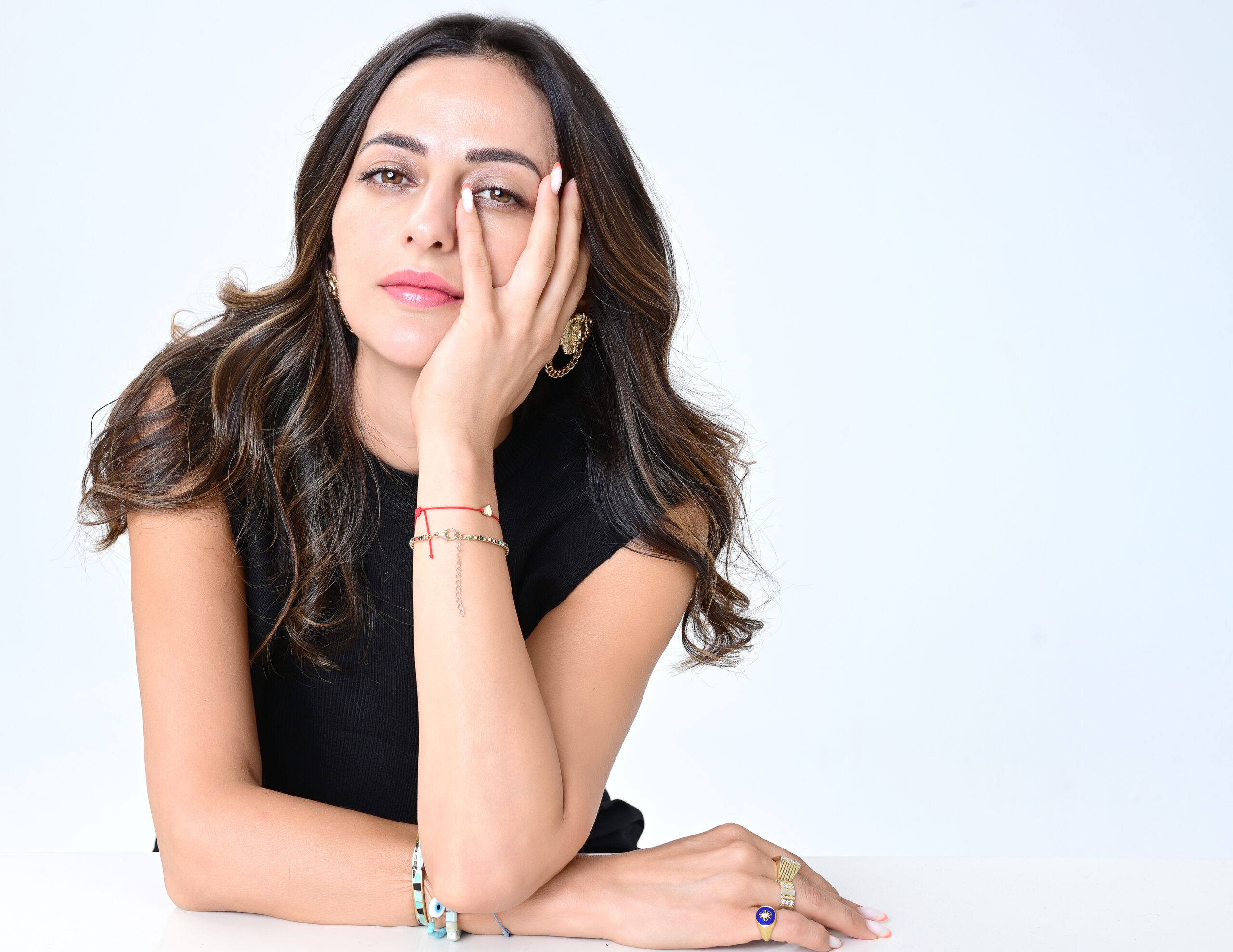
As Episode Magazine, we spoke with Pınar Bulut, the writer of Disney+ original We’ll Be Fine.
Have you ever seen water that can hold itself back from flowing? This is the heart, it wants to love. It wants to be loved. Nothing happens, let’s not be so afraid. 🙂 Whatever new definition or formula we come up with… I say let’s not give up on love.”
There are some love stories where you think, “how beautifully they love each other” as you watch. And then there are others that make you a little uneasy… because they feel familiar.
In our conversation with Pınar Bulut, love is not told from where we’re used to hearing it, but from our weaknesses, our shortcomings, and the place where we come closest to knowing ourselves.
We’ll Be Fine says exactly this: sometimes we don’t fall in love with someone, but with the part of ourselves we haven’t been able to resolve.
And maybe that’s why some relationships can’t be easily defined. Because it’s not just about love… it’s about the courage to know yourself.
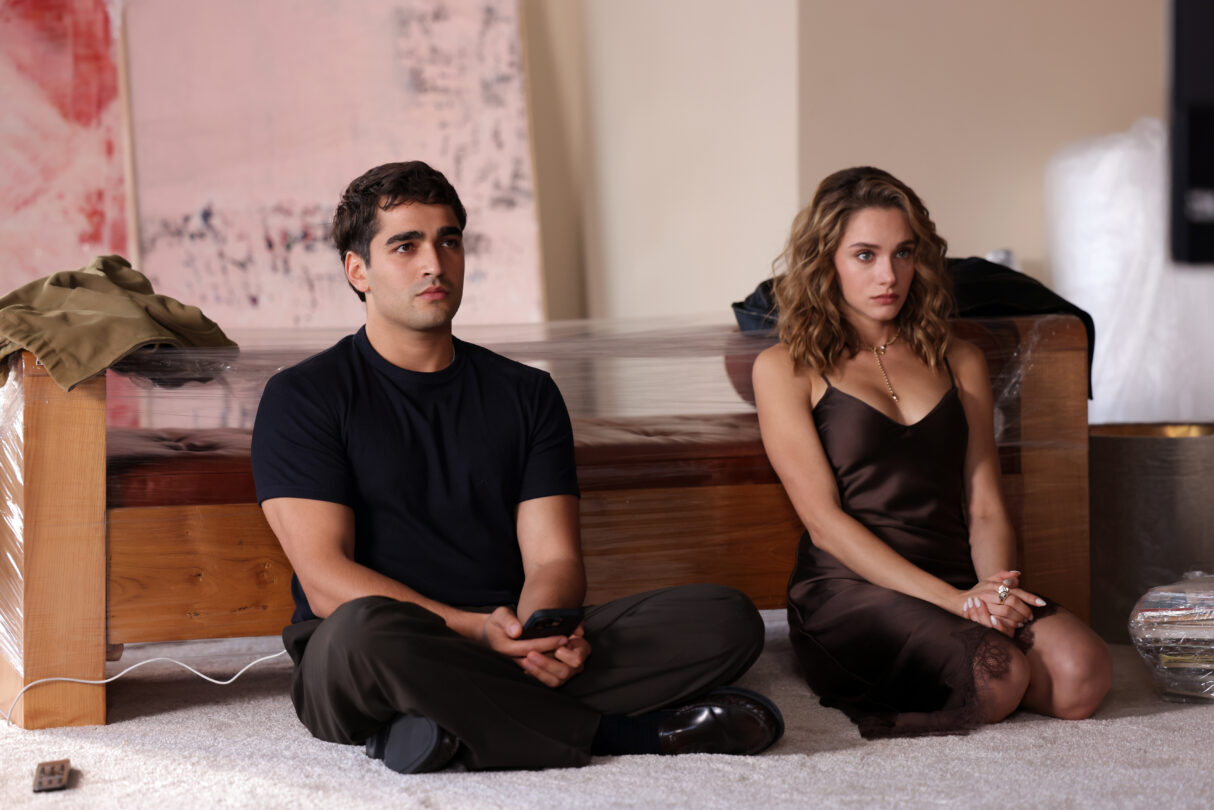
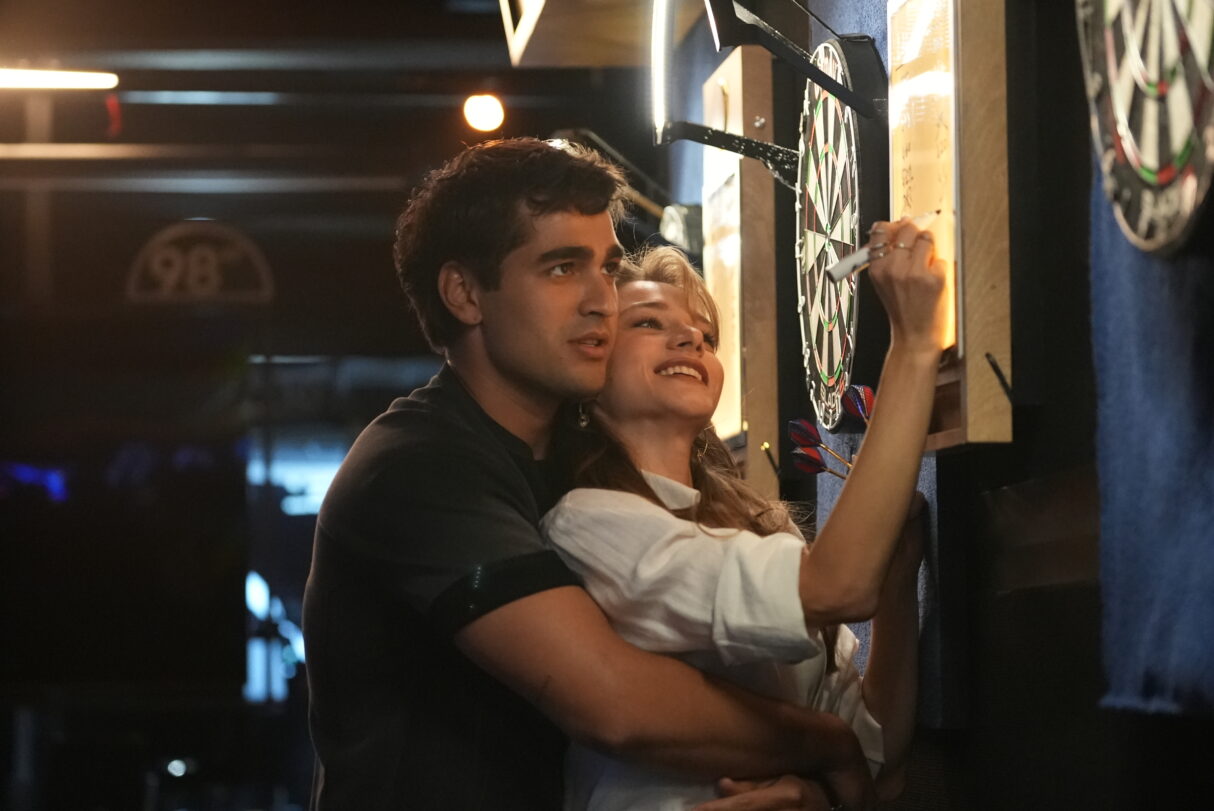
The relationship between Lal and Aktan in this series is truly a very intense love story. When you were writing it, did you have more of a “great love” or a “difficult relationship” in mind?
From the very beginning, I wanted to write a relationship that confronts us with who we really are. I realized there are things we cannot learn about ourselves without falling this deeply in love. I sincerely believe that some loves exist only for this purpose: to bring us back to ourselves. To make us face our true essence. Whatever happens, happens after that point. 🙂
Today, relationships like this are very quickly labeled as “toxic.” But while watching this story, I can’t use that word… Maybe because I’ve experienced something similar. How do you define this relationship as you write it?
I actually find this relationship quite constructive. I could even say it ends happily. 🙂 No matter how many years we’ve walked this earth, the most important relationship is the one we have with ourselves. A relationship that brings us closer to ourselves, that strengthens our core identity, I cannot call it toxic, no matter how difficult it is. I also can’t say I believe in such labels. We usually feel relieved when we name things we can’t make sense of, but just as not everyone is a narcissist, not every unhappy love is toxic.
While watching the series, you sometimes feel, “I’ve experienced something exactly like this.” Do you think people really fall in love with their own weaknesses?
I think we are too fascinated by the idea that we are unique. But love is the same. The stories are the same. Only the meanings we derive from them change. We all experience “exactly that kind of thing” at some point in our lives. What matters is what happens after. How do we process that pain? That’s where millions of possibilities lie. And yes, I believe people fall uncontrollably in love with the weaknesses they haven’t been able to resolve.
To see our existence as it is, we need a bit of distance. We need to forget ourselves, to completely lose control, so that we can look at ourselves from afar. Only then can we draw rational conclusions from what we’ve lived through. Until then, it’s blood and tears 🙂
There are moments in the script that touch the audience very directly. While writing, did you know where you would surprise the audience or touch their hearts?
When I write, I make myself forget the audience. I try to write things that touch and surprise me. For that, I have to be honest, open my heart completely, and stay loyal to my story even if I’m left wounded. And when I can do that, it naturally reaches the audience. I write in cafés, for example. If I start talking to myself, laughing and crying while forgetting everyone around me, that’s when I’m convinced I can touch someone’s heart. It’s not something I plan beforehand, it’s the result of making myself feel it.
There was a scene that felt like “take this pain out of me,” turned into dialogue… and I’m sure many people have felt that. Do these emotions come more from your personal experiences or strong observations?
First, I saw someone go through something like that. I cried with them, begged with them, shared their pain. And I thought I understood. Then one day, I lived it myself. Turns out I understood nothing… That moment you mentioned is probably the most autobiographical part of this story. There comes a moment when a person is convinced they will never escape that pain. I’m not talking about the pain itself, but the fear of it, the fear that it will never pass.
The desire to escape it. The moment I stopped running from my pain and started valuing it, that’s when I truly understood what was happening. Only then could I look back at my own story, and everything fell into place. It was terrible while living it, but today I say I’m glad I did. Nothing happened to me in the end. But something happened to my pen. How could I have written if I hadn’t lived it? 🙂
While watching your work, people might feel like they want to tell you their love lives and ask for advice. Does that happen to you?
I don’t claim that at all, but yes, it happens 🙂 Not because I know more than others about love or relationships. Maybe it’s because I think about these things a lot as part of my job. I read, I reflect, I put in a lot of work. So maybe I form more refined thoughts and sentences. If someone wants to talk, they’re welcome, I’d gladly listen.
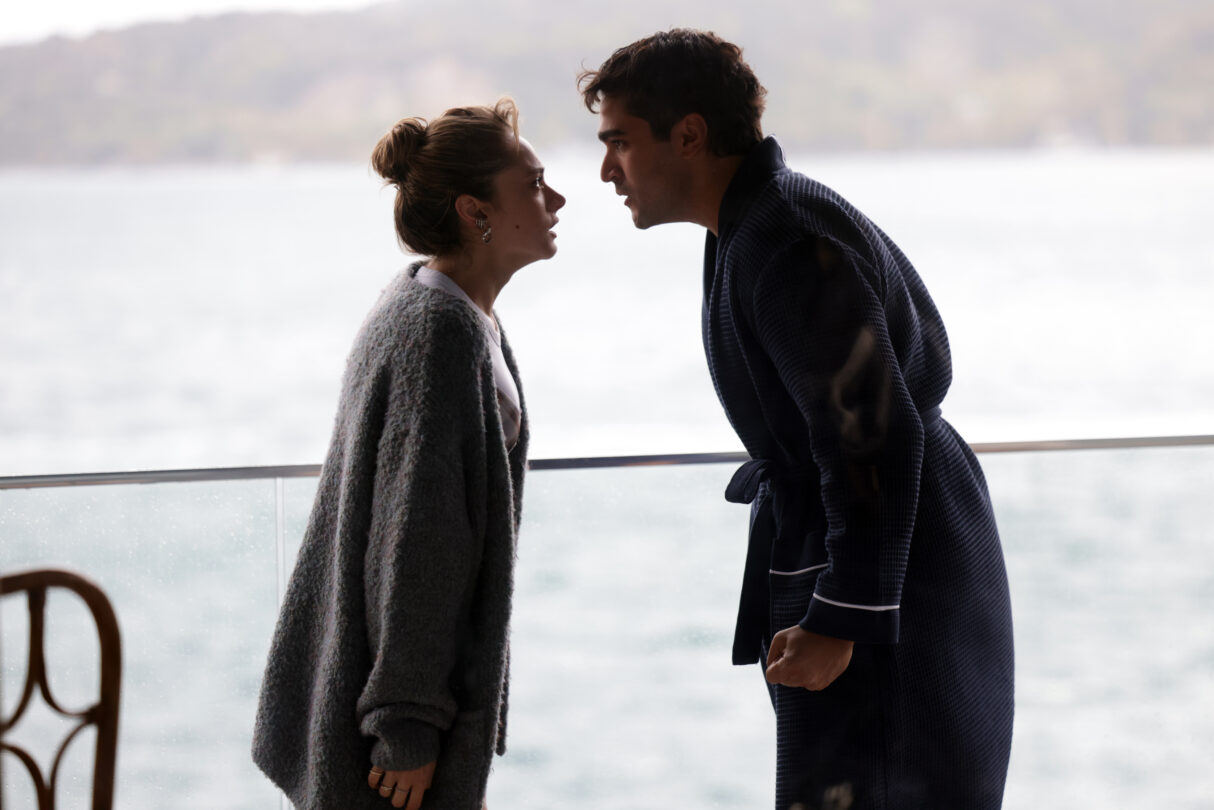
When writing Lal and Aktan, how did you build that sense of them being unable to let go of each other?
From the very first moment! I wanted them to feel an attraction they couldn’t explain with words the moment they saw each other. Because sometimes it’s like that. It touches something deep within us, and we think that person is the love of our life. It looks like love, but often it’s the subconscious playing a trick. It’s not attraction, it’s a calling. Because beneath that pull lies something beyond love, more than love. A trauma we cannot move on from unless we heal it, an unmet need from childhood, a part of us that has never been seen, maybe even a belief that doesn’t belong to us…
That’s what happened to Lal and Aktan. I wanted it to feel as if a compassionate father gently pushed them toward each other. As if he took them across from him and said: “Look, my children… inside you there are very old wounds, long since scabbed over. In every relationship, in every decision, they keep throbbing behind your hearts. You don’t even know they’re there. But you feel them. Here is your chance. I’m sending you to each other. So you can reopen those wounds. You will love deeply, you will be loved deeply, and you will be devastated along the way. But don’t be afraid. In order to heal, you just need to bleed a little first…”
How do you balance a love story? Because in this series there is romance, but also a very real pain.
I’m not sure romance exists without pain. Loving is a very vulnerable thing. When we lower our guard that much, getting hurt becomes inevitable. What I was concerned with in this story was that pain, more precisely, not being afraid of it. It was about that sentence that overflows from your chest when one day the pain is gone. I wrote this story just for that sentence. To be able to say it to everyone who is going through heartbreak: Don’t worry, friends. We’ll be fine. 🙂
While writing the script, was there a moment where you thought, “This scene will be talked about a lot”?
That never happens to me. As I said, I build a very personal relationship with what I write and forget the audience while writing. If I can’t forget them, I make myself forget them consciously; otherwise, I can’t write. Sometimes I realize it while watching, but only after it’s been shot. There are moments where I think, “What is this, how did this turn out like this!” In this project too, there are scenes I’m especially impatient for the audience to see.
If you were an outsider looking at Lal and Aktan’s relationship… would you really tell them “we’ll be fine”?
I would say it while grabbing them by the shoulders and shaking them 🙂 I’ve even said it to people in real life. It became a joke between us. In difficult times, we look at each other and say, “We’ll be fine!” There’s “look at what we’ve been through” behind that sentence. “Look at everything we’ve seen and survived, we’re still here.” There’s courage in it, and pride. I value these two feelings a lot, especially in these times when we live with fear in every breath…
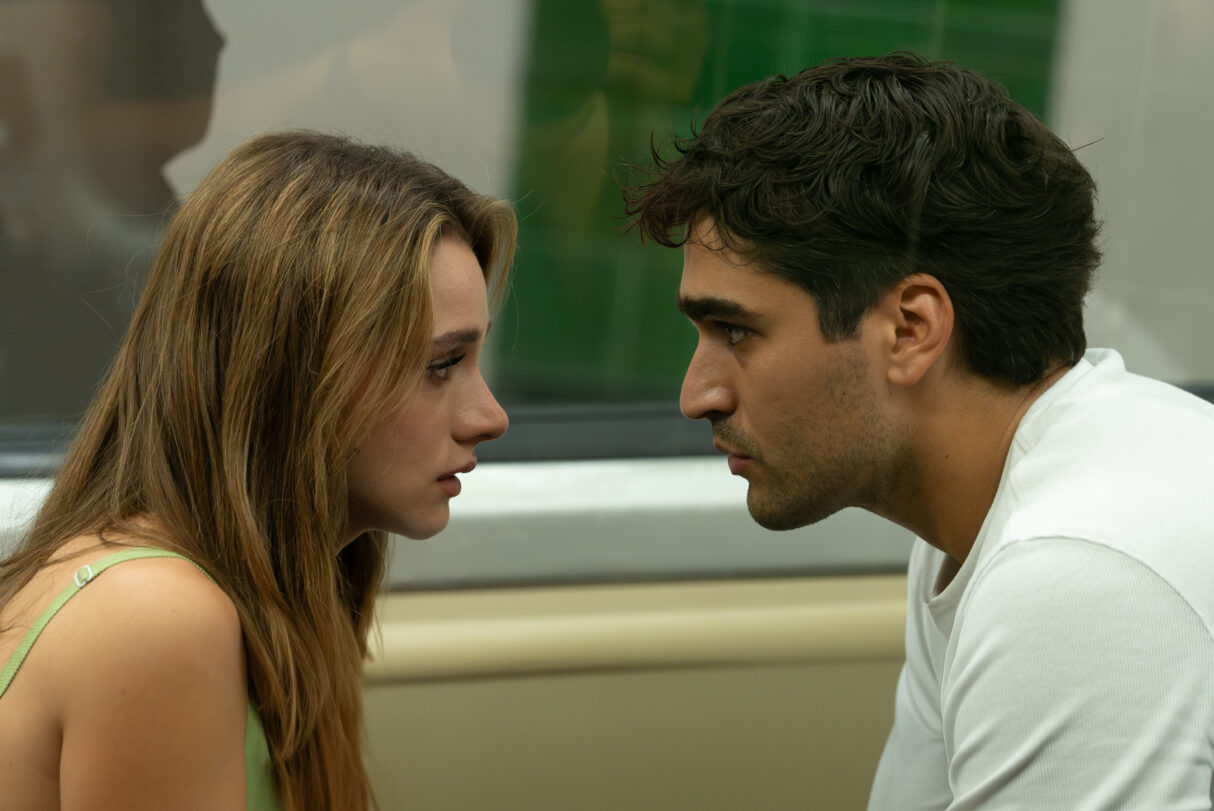
There’s something that stands out in the series: not only the leads, but also the side characters have very strong stories and depth. Do you intentionally build all characters with this level of detail?
Absolutely. When building a story, I pay great attention to showing the same care to all characters as I do to my protagonists. In this story, side characters were especially important. Because they held up a mirror to this relationship. We heard Aktan and Lal’s story through them, we watched it through their friends’ narration.
I told this story that way on purpose. Because when you’re inside a relationship, you can’t fully grasp what’s happening. But those close to you can see it. Sometimes friends, sometimes family. But neither can they always say it, nor can we always listen. You can only learn by living it. Thankfully, and unfortunately.
Did you have Mert and Miray in mind while writing Lal and Aktan, or did they come into the characters later? As a screenwriter, what does it feel like to see the people you’ve written suddenly come to life through real actors?
I usually don’t imagine real people while writing; I don’t want the story to be influenced by that. I have fictional types in my mind while writing. My characters meet the actors after the story is finished. That’s how it happened in this project as well. Mert and Miray met the characters after I had written the story. I’m so glad they did. I’m grateful, I couldn’t have imagined another Lal and Aktan. There are moments where I swear I recognize that look. I’ve seen it before in someone, or I’ve looked at someone that way before. In those scenes, I think about how playful time is, how it changes the importance of everything…
You’ve been writing very powerful stories for years. Looking back, is there a project that truly transformed you as a writer?
Thank you so much. I have a principle: I try to write only stories that have the capacity to transform me. I choose stories that increase the flow within me. When I look back, everything I’ve written has transformed me a little—some for better, some for worse. But if I have to mention one, I’d say Game of Silence. It was the first project I built on my own, and firsts always have a special place 🙂
You capture human relationships and especially the complex side of love very well. If you had to redefine love today, how would you define it?
I think we are at a turning point of an era. Love, like many beliefs and systems, has lost its meaning as we knew it. Everything is transforming, breaking apart and coming back together in different ways. It’s true, we need a new definition of love. But that’s not just up to me 🙂 As a writer trying to stay current, I can at least point out what no longer fits.
Even in moments when it feels like heartbreak would flow from our veins, we realize that love is no longer indispensable. Love is not the name of something that makes us feel worthless, lonely, or constantly on edge. We have developed so much individually that we now prefer being alone rather than being in relationships that make us feel that way. The effort to feel complete without another person is a very valid freedom today. This sense of optionality is hitting relationship and marriage statistics like a hammer, that’s a fact. But I’m not sure it’s sustainable.
Have you ever seen water that can hold itself back from flowing? This is the heart, it wants to love. It wants to be loved. Nothing happens, let’s not be so afraid. 🙂 Whatever new definition or formula we come up with… I say let’s not give up on love.