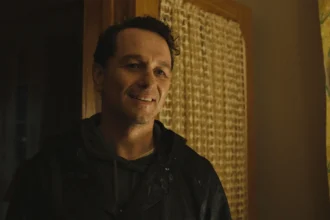



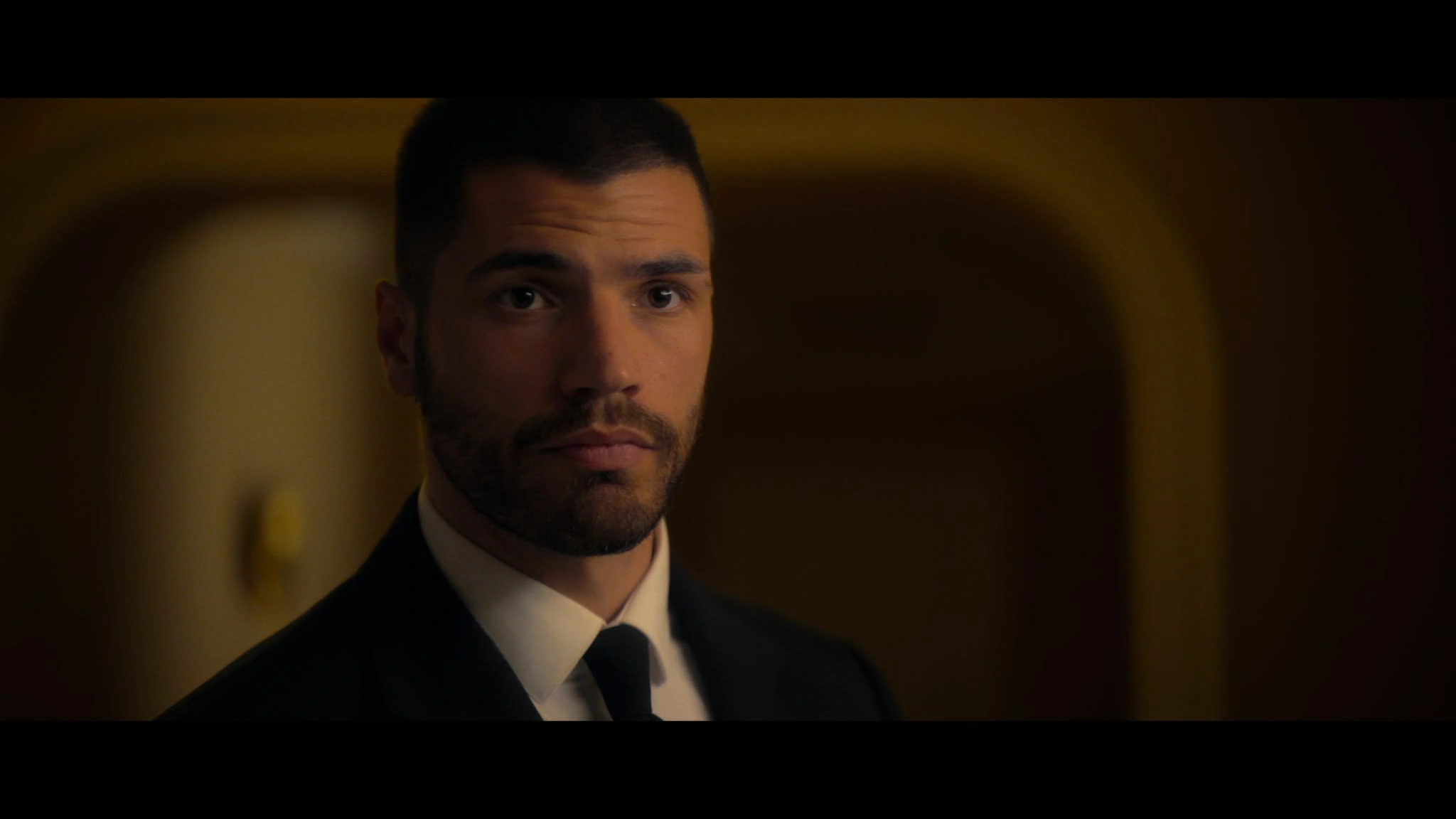
We met Hugo Diego Garcia, the star of Drawn Together, the Prime Video film adapted from Marfil, the novel by Mercedes Ron that has reached millions of readers worldwide, in Ibiza.
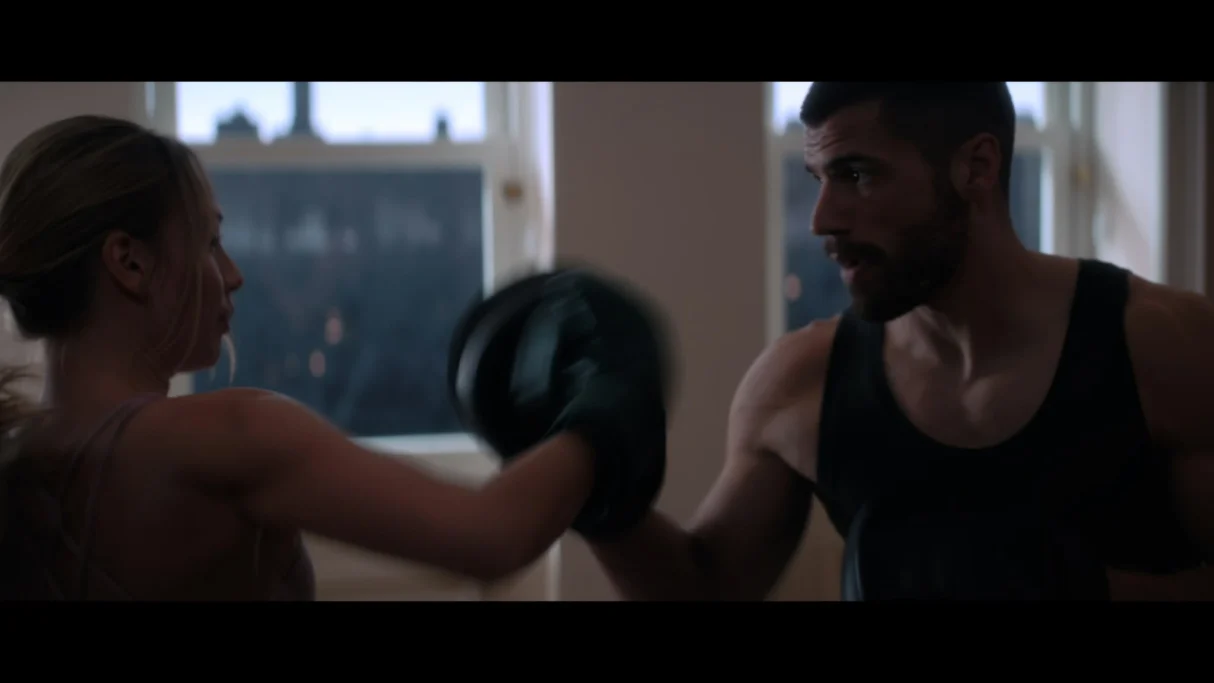
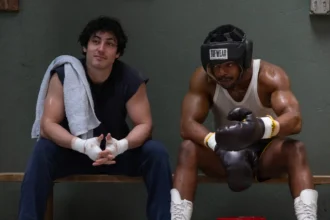
Meet Hugo Diego Garcia, who has transformed the physical discipline he gained from his past as a boxer and boxing coach into a nuanced acting performance in front of the camera and a sharp directorial vision behind it. The French-Spanish actor, who has earned praise on the international festival circuit with Tony, which he wrote and directed, is once again attracting attention with his portrayal of Sebastian in Drawn Together, one of the most talked-about productions of recent times.
Standing out not only for his physical performance but also for his original ideas about art, Hugo Diego Garcia emerges as one of the most dynamic and versatile figures in modern cinema, with his award-winning short films, experience as a writer and background in boxing.
Drawn Together has been released. How are you feeling right now?
I’m very excited. We’ve put our work out there; now it’s time for the film to reach the audience and for people to enjoy it.
Could you introduce us to the character you play? What makes him unique in your eyes?
The character of Sebastian that I play holds a special place because he carries both classic and modern elements. On the one hand, he is masculine and protective, while on the other, he is sensitive and profound. I think it is this balance that makes him unique.
Marfil is an adaptation of a very popular book series. Did the expectations of the book’s fan base create additional pressure for you in taking on the role?
Honestly, you always hope for the best, but you have no control over whether people will like it or not. Being judged before the film is released can be somewhat unfair. However, this is something that happens with all adaptations; people already have an image in their minds, and if you don’t live up to that image, they react. In the end, you either prove them right or wrong. We did our best and stayed true to the character. I believe the audience will enjoy it as well.
So, what was the most decisive factor in your decision to join this project?
I really wanted to be part of an international production and play a bodyguard. I have always admired Kevin Costner’s The Bodyguard and that style. It was also a wonderful opportunity to work with Esther Acebo, Oscar Casas and the Amazon team, and to become part of the universe created by Mercedes Ron.
What was the chemistry like between you and your co-star Esther Acebo on set?
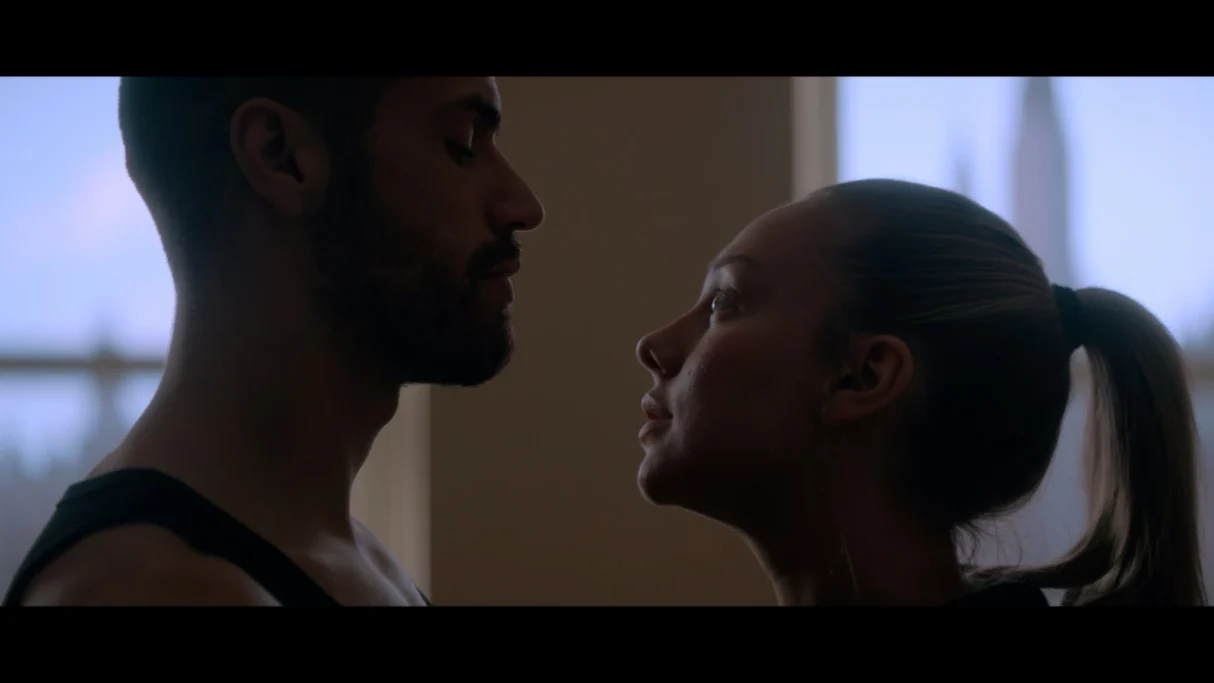
It was perfect. Esther is a wonderful actress and extremely professional. We are both very passionate about our work. We worked together on the script, pushed boundaries and remained in constant communication with the directors. We brought a lot of ourselves to our characters. This shared vision created a strong bond between us.
You are also a writer and director. How do your roles as an actor, writer and director feed into one another in your life?
They all complement one another. When you act, you learn to write and direct, and when you direct, you learn about acting. Unfortunately, these concepts are often separated from one another, but in reality, they are all connected. Directing a character I have created myself feels much more natural and easier to me; it can even feel more comfortable than being directed by someone else.
Which do you think is more difficult: directing or acting?
Neither is easy, but acting is a more focused field that requires expertise concentrated on a single task. Directing, on the other hand, is like being the captain of a ship; you have to be everywhere and control every detail. In that sense, directing is much more complex and challenging.
What do you think is the secret behind the current popularity of young adult (YA) content and romantic productions?
These genres have a certain formula. When emotion, action, suspense and a fast pace come together, a successful production emerges. In today’s world, I feel that romance has declined somewhat because of phones, social media and apps. As generations change, people long for this feeling more and more. These kinds of productions respond to the audience’s need for that sense of romance.
As an artist, does the development of artificial intelligence (AI) in the film industry scare you?
I would be lying if I said it didn’t scare me. I compare artificial intelligence to nuclear energy; it can be a wonderful tool, but it also has the potential to threaten humanity. Systems that generate content and formulas can easily be copied by a robot. Soon, there will be a huge gap between “distinguished/real art” and the “consumption content” produced by robots.