




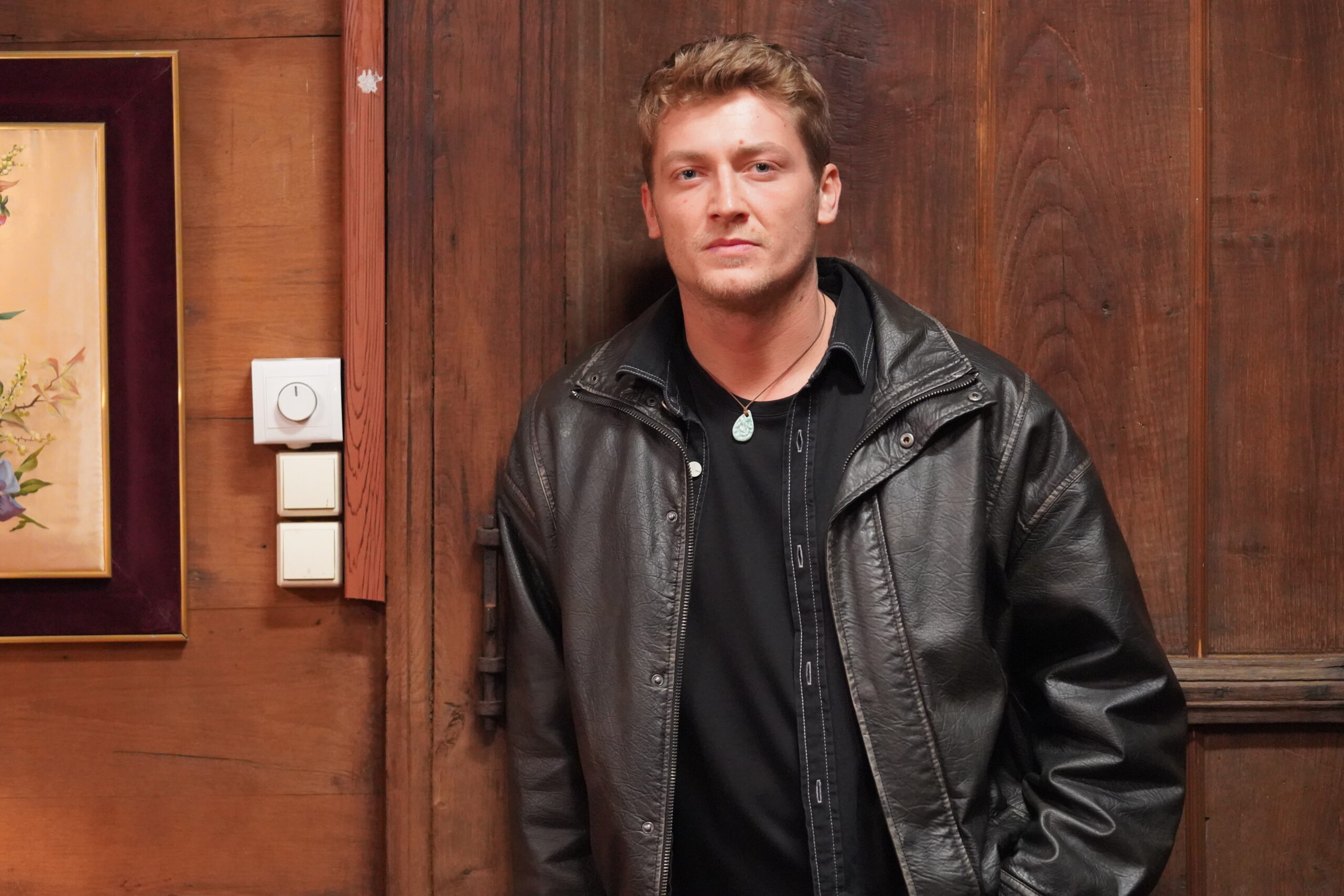
Deep in Love premiered in October in Türkiye and has been continuing its run with strong ratings. Starring Deniz Baysal and Ulaş Tuna Astepe, the series draws viewers in with its emotional depth and Black Sea atmosphere. We sat down with its director, Çağrı Bayrak, creators, Ayşe Ferda Eryılmaz and Nehir Erdem, and leading stars, Aytek Şayan, Erdem Şanlı, Zeynep Atılgan, and Onur Dilber to talk about the story’s emotional journey and what makes Deep in Love connect with audiences around the world.
“Deep in Love is rooted in a very local story, but its emotions are completely universal. I think this will be what affects audiences in different parts of the world the most. Family, belonging, love, conflict, and the desire for freedom… These are feelings that transcend geography. In every culture, people struggle at times with their families, with traditions, or with their own hearts.”
Deep in Love tells the story of two well-established families and individuals who are enemies of one another. You are playing İso, the son of one of these families, the Furtunas. We would like to hear about İso from you.
Erdem Şanlı: It’s really hard to describe İso in a single word. He isn’t just the son of the Furtuna family; he is a man carrying the weight of the past, of fears and of inherited truths on his shoulders. Growing up amid this long-standing feud, İso was raised without often questioning what is right or wrong. His mother’s fears, his uncle’s harshness and his family’s traditions have shaped his character.
That is why he makes mistakes, sometimes hurts people, and sometimes makes wrong decisions. But what makes İso truly valuable to me is that he begins to question this burden. The fact that he dares to stand up even to his own family is why İso’s struggle is not about “being a good person,” but about “being himself.”
İso can make the wrong moves sometimes because of his mother, sometimes because of his uncle. But as episodes progress, we see him beginning to oppose his own family as well. All these traits seem to make it easier for the audience to empathize with him. What do you think?
Erdem Şanlı: I think what makes İso special is the fact that he isn’t someone who always knows what is right, on the contrary, he often makes mistakes, but we can clearly see where those mistakes come from. He carries responsibilities imposed on him by his family, and in truth, İso’s anger or toughness doesn’t stem from bad intentions but from a learned survival mechanism. As episodes progress and İso begins to stand up even to his own family, this becomes his coming-of-age story. The audience isn’t watching a perfect man; they’re watching a man trying to make decisions under pressure and paying the price for them.
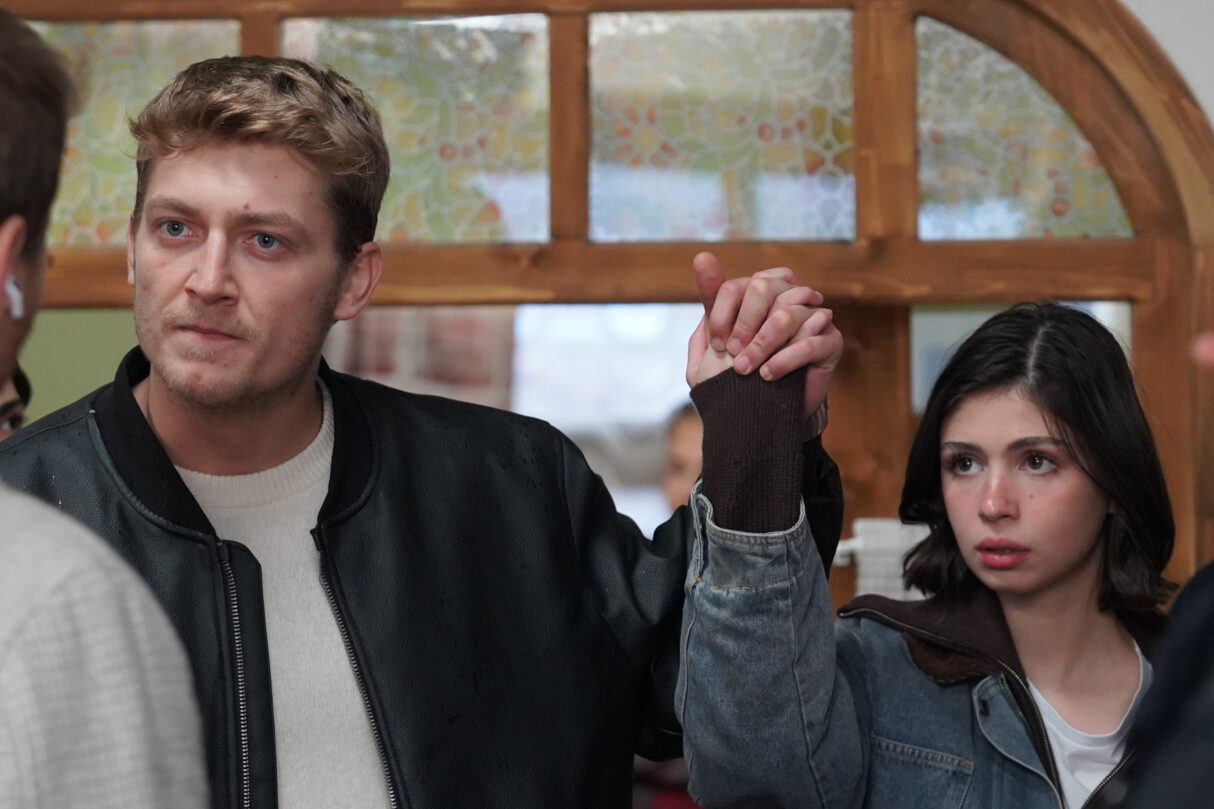
The scenes between İso and Fadime are the audience’s favorite. What do you think will be their biggest trial?
Erdem Şanlı: The reason İso and Fadime’s scenes are so well loved is that very deep emotions are experienced without grand speeches, and amid all the schemes and plans, the sincere intensity in the feelings they have for each other, in the purest form. The greatest trial for İso and Fadime is not actually loving each other, but being able to keep that love alive. For İso, this means choosing between what his family has taught him and what his heart tells him.
The series is filmed in Trabzon, which contributes a lot to the story visually. How did you find Trabzon? What do you think being in a different city together with the entire team adds to the story? What can you tell us about the set?
Erdem Şanlı: Trabzon is almost invisible yet one of the strongest characters of the story. The sea, the mountains, the weather… They all perfectly match the emotions being told. In some scenes, rather than acting, simply existing within that atmosphere is enough. Being in another city and having the whole crew living together there adds so much to the project, because we are inside the same story not only on-set but also off-set. We breathe the same air and sit at the same table. This inevitably reflects on the scenes; relationships feel more real and emotions more genuine. Honestly, being in Trabzon turned this project from just a TV series into a living story.
With which qualities do you think Deep in Love will affect viewers from different cultures the most?
Erdem Şanlı: Deep in Love is rooted in a very local story, but its emotions are completely universal. I think this will be what affects audiences in different parts of the world the most. Family, belonging, love, conflict, and the desire for freedom… These are feelings that transcend geography. In every culture, people struggle at times with their families, with traditions, or with their own hearts.
Visually, the harsh and striking nature of the Black Sea provides a very powerful foundation for the story. Also, the fact that the characters are flawed, and not perfect heroes, creates a strong impact. The audience is not watching a culture; they are watching human beings. I believe this sincerity is exactly what will make Deep in Love’s international journey so compelling.