





Su Karacan examines the success of Elle, streaming on Prime Video.
We spoke with Lexi Minetree and Tom Everett Scott.
The iconic films of the 2000s not only represented the popular culture of their era but also secured a lasting place in the collective memory of generations. The fact that they continue to be watched, discussed, and discovered by new generations despite the years that have passed is perhaps the clearest indication of this. However, it is impossible to ignore the fact that this interest has gradually evolved into a major nostalgia economy.
Nostalgia for the past has now become one of the most powerful marketing tools in the film and television industry. Many productions that once seemed ordinary and natural—and would probably be described as “cringe” if remade today—are now regarded as “cult” because they carry the sincerity, innocence, and unique spirit of the period in which they were made. Their value comes not only from their stories but also from the era they represent.
Of course, there is nothing wrong with that. I am also part of the generation that grew up with those films, and I can still return to them and watch them with the same excitement. But when it comes to remakes or sequels arriving years later, the picture changes.
Although they often generate considerable excitement when first announced, what remains is frequently a production that takes refuge in the safe space of nostalgia without having anything new to say. In trying to recreate the emotions of the past, they overlook the context and spirit that made those emotions valuable in the first place.
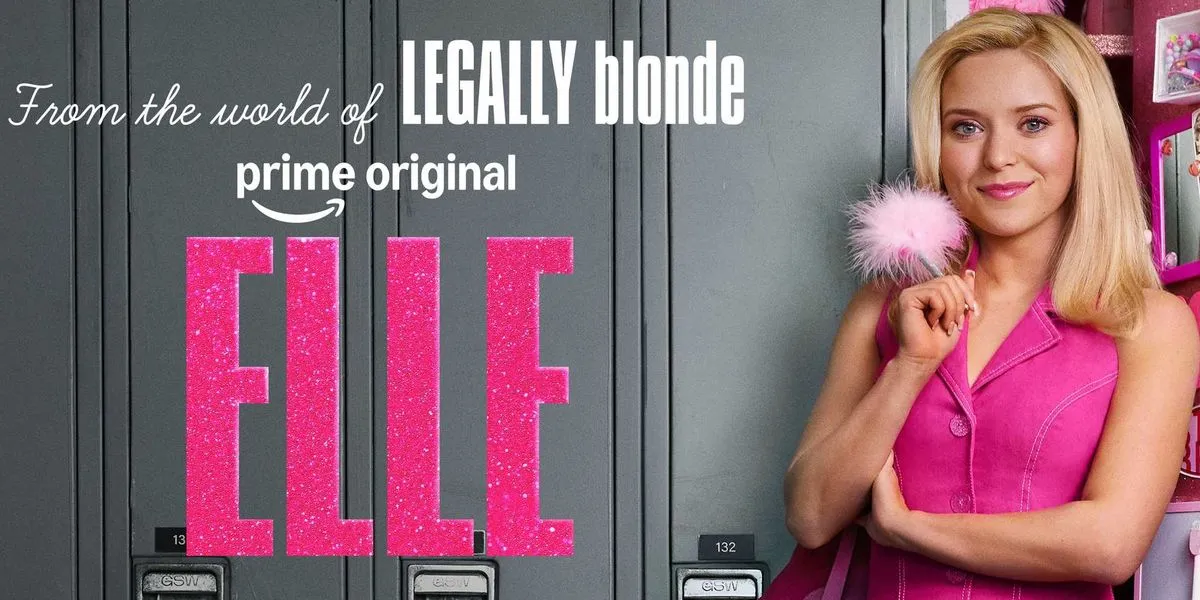
Still, it is important to acknowledge that there are productions that prove this prejudice wrong. One of the most successful examples of recent years, Elle owes much of its success to its solid storytelling foundation. Technically, it is not a sequel series; rather, it is a prequel that takes us back into the character’s past. Focusing on Elle’s high school years and youth, the series manages to build its own narrative in its first season instead of relying solely on nostalgia. In doing so, it gives viewers the feeling of returning to a familiar universe while also proving that it has a new story to tell.

Elle successfully captures the spirit of the ’90s not only through its story but also through the visual aesthetic it embraces. Rather than using the fashion, color palette, and high school atmosphere of the era as superficial nostalgic elements, it incorporates them naturally into the narrative. Centering on the clash between rebellious youth culture and a privileged, elite world, the series uses this contrast to tell a sincere coming-of-age story.
At its center are young people trying to find a place for themselves, wanting to be seen and valued, but who have yet to fully discover who they are or who they want to become. Rather than turning its characters into flawless heroes, Elle gives them room to make mistakes, make wrong decisions, and confront the consequences of those decisions. Perhaps this is precisely what makes the series so compelling: instead of idealizing youth, it portrays its complexity and vulnerability with honesty.
Of course, romance, one of the indispensable dynamics of a teen series, is also an important building block of the story. Elle uses it not merely to create romantic tension but as an element that supports the character’s journey of self-discovery. Elle finding herself caught between Miles, the popular yet kind-hearted student at school, and Dean, one of her closest friends and a rebellious spirit, inevitably draws viewers into the classic “team” debate.
However, this love triangle goes beyond simply asking viewers to pick a side; it becomes an important device for making Elle’s growth and emotional ups and downs visible. At the same time, it shows that even Elle, no matter how well-intentioned she may be, is capable of making mistakes.
One of the series’ most enjoyable surprises is the way it gradually transforms into a compelling mystery narrative, even though at first glance it feels like a classic romantic comedy teen series. In doing so, it also skillfully builds on the character’s origins through subtle references to Legally Blonde.
Elle reminds us that the protagonist is not simply someone who is fashion-conscious, energetic, and sociable; she is also a woman who notices details, can piece together small clues, and has a strong sense of justice. The foundations of the success she will later achieve in the legal field are actually laid during her high school years, in the way she approaches situations and her determination to stand up for what is right.
Elle has already become one of Amazon Prime Video’s most successful original productions in recent years, earning that status not simply by relying on the popularity of the Legally Blonde brand but through a strong narrative capable of establishing its own identity. Its use of nostalgia as an element that fuels the story rather than merely as a marketing tool is one of the most important qualities that sets it apart from similar productions. Considering where the first season leaves us, expectations for a second season are now higher than ever. All that remains is to wait and see whether Elle Woods’ story can surprise us once again with the same care and sincerity…