




True crime continues to hold a strong position in the television market even as documentary commissioning declines overall. New figures presented by Ampere Analysis at Seriesly Berlin show that crime documentaries remain a key category both in Europe and within the content strategies of streaming services.
Why is true crime holding up as documentary commissions fall?
According to data presented by Ampere Analysis Principal Analyst Rahul Patel, global true-crime commissions peaked at around 2,500 titles in the first half of 2022.
That figure fell to below 2,000 in H1 2026, but remains considerably higher than the roughly 1,250 commissions recorded in H1 2020.
Crime documentaries have also maintained a relatively stable share of the market. Since 2022, they have accounted for between 15% and 19% of documentary commissions.
Across Europe, true crime generated 651 series orders over the past two years, putting it comfortably ahead of arts, crafts and culture, which recorded 481. Travel followed with 427 commissions, ahead of history at 341, nature and animals at 312, sports at 256 and biography at 217.
Crime dominates streaming documentary strategies
The differences become particularly clear when commissioning is broken down by platform type.
Between H1 2024 and H1 2026, crime accounted for 35% of documentary orders from subscription streaming services. Sports ranked second at 20%.
Among public broadcasters, by contrast, crime represented only 10% of documentary commissions, while arts content accounted for 15%. Commercial free-to-air broadcasters allocated around 18% of their documentary commissions to crime, while pay-TV providers devoted approximately 30% to the genre.
The figures suggest that true crime continues to occupy a particularly important place in the strategies of streaming services seeking highly engaging factual programming.
What comes next for true crime?
Speaking during a discussion following the presentation, Christian Beetz of Mediawan-owned Beetz Brothers described true crime as one of the strongest genres for subscription streaming platforms.
At the same time, the increasingly mature market is making differentiation more important. True crime accounted for around 16% of global documentary commissions in 2025, while commissioners are placing growing emphasis on distinctive access, fresh perspectives and more ambitious storytelling approaches.
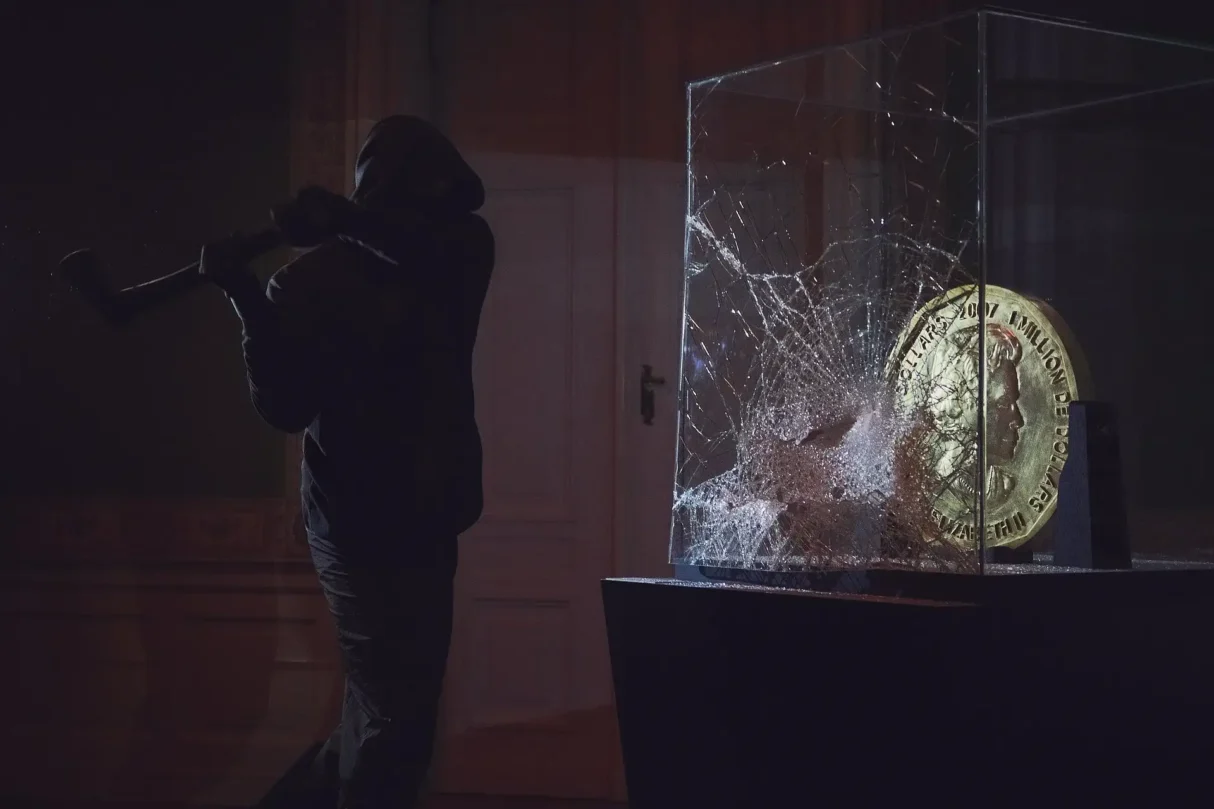
Beetz highlighted genre blending as one way for producers to distinguish projects in an increasingly crowded space. His upcoming HBO Max series Clangold is one example. The series, which examines the theft of a giant gold coin from Berlin’s Bode Museum, is scheduled to premiere on November 13.
Ampere’s figures suggest that while the broader documentary commissioning market is contracting, true crime continues to outperform many competing factual genres. For streaming services in particular, crime remains a major part of the documentary mix, supported by sustained audience interest and its ability to accommodate increasingly diverse storytelling formats.
Crime Drama Adaptations Remain a Strong Bet for Streaming Platforms