



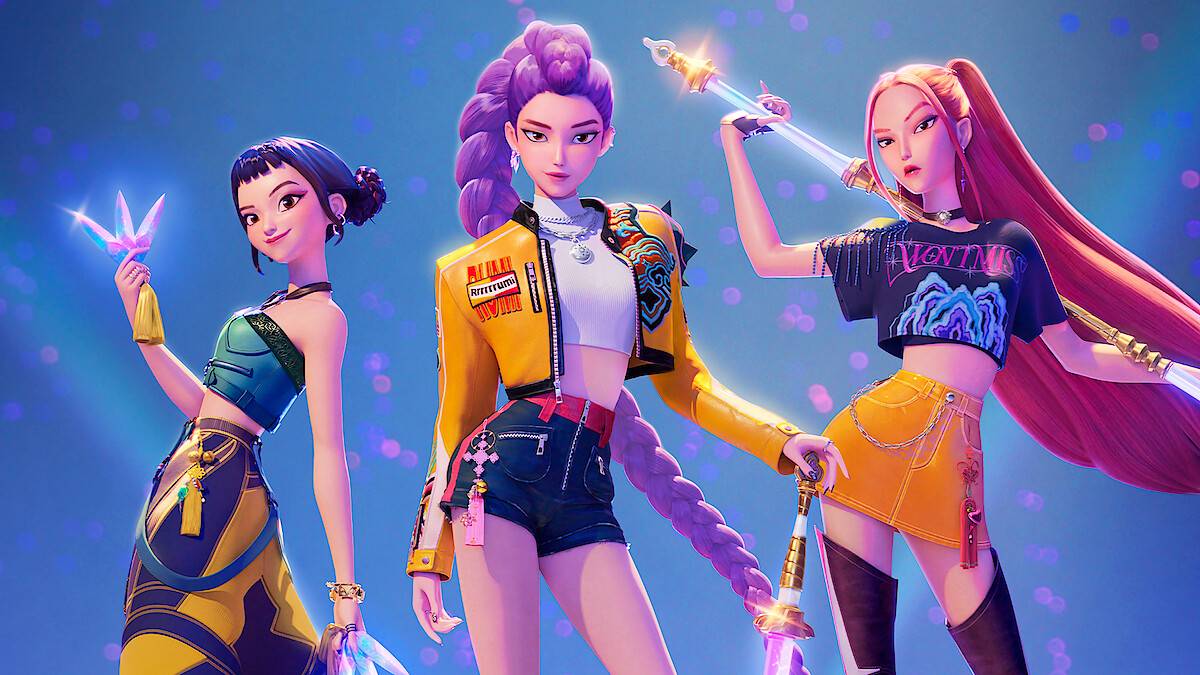
Netflix’s strategy to scale back on original children’s programming has sparked intense industry debate, especially following the monumental global success of KPop Demon Hunters.
According to research from Ampere Analysis, the platform’s commissions for kids and family content have plummeted, dropping from a 9% share in 2022-2023 to just 4% in 2024-2025. This pullback is largely attributed to the dominance of YouTube among younger audiences and the complexities of monetizing children’s content within ad-supported subscription tiers. However, the record-breaking performance of a single original title is now calling this data-driven retreat into question.
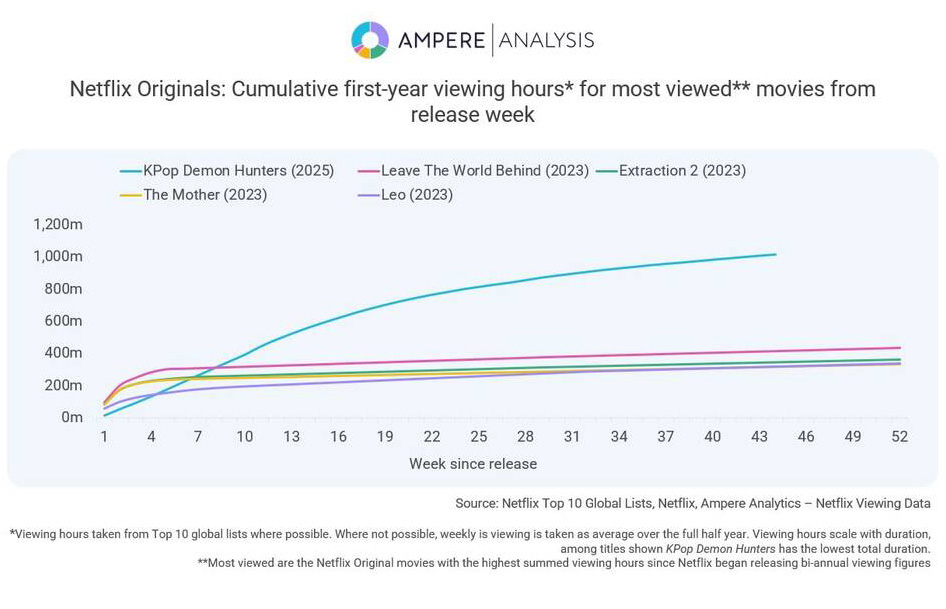
The Sony Pictures Animation production, KPop Demon Hunters, officially became the most-watched film in Netflix history, surpassing one billion viewing hours and maintaining a spot in the “Top 10” charts for an unprecedented 44 consecutive weeks. Ampere Analysis highlights that family-friendly titles like this possess a much longer “viewing lifecycle” compared to typical original films; while most movies peak quickly and fade, KPop Demon Hunters didn’t even reach its viewing apex until 11 weeks after its release.
Furthermore, with 35% of households with children reporting that kid-friendly content is a primary driver for subscription loyalty, the KPop Demon Hunters‘s success, fueled by the global K-Wave and its musical core, demonstrates that high-quality, original IP still holds immense power to retain audiences across all demographics.
The data regarding the shift in the children’s media landscape reveals a stark contrast in commissioning priorities across the industry. While public broadcasters continue to be the primary engine for new programming, accounting for nearly half (47%) of all global children’s content orders in 2025, SVoD services have significantly retreated from this space.
Currently, streaming platforms hold the smallest share of scripted kids’ greenlights among all commissioning bodies, contributing a mere 13% of total orders. This gap highlights a strategic divergence where traditional public institutions remain committed to original youth content while major streamers increasingly look elsewhere to fill their libraries.