



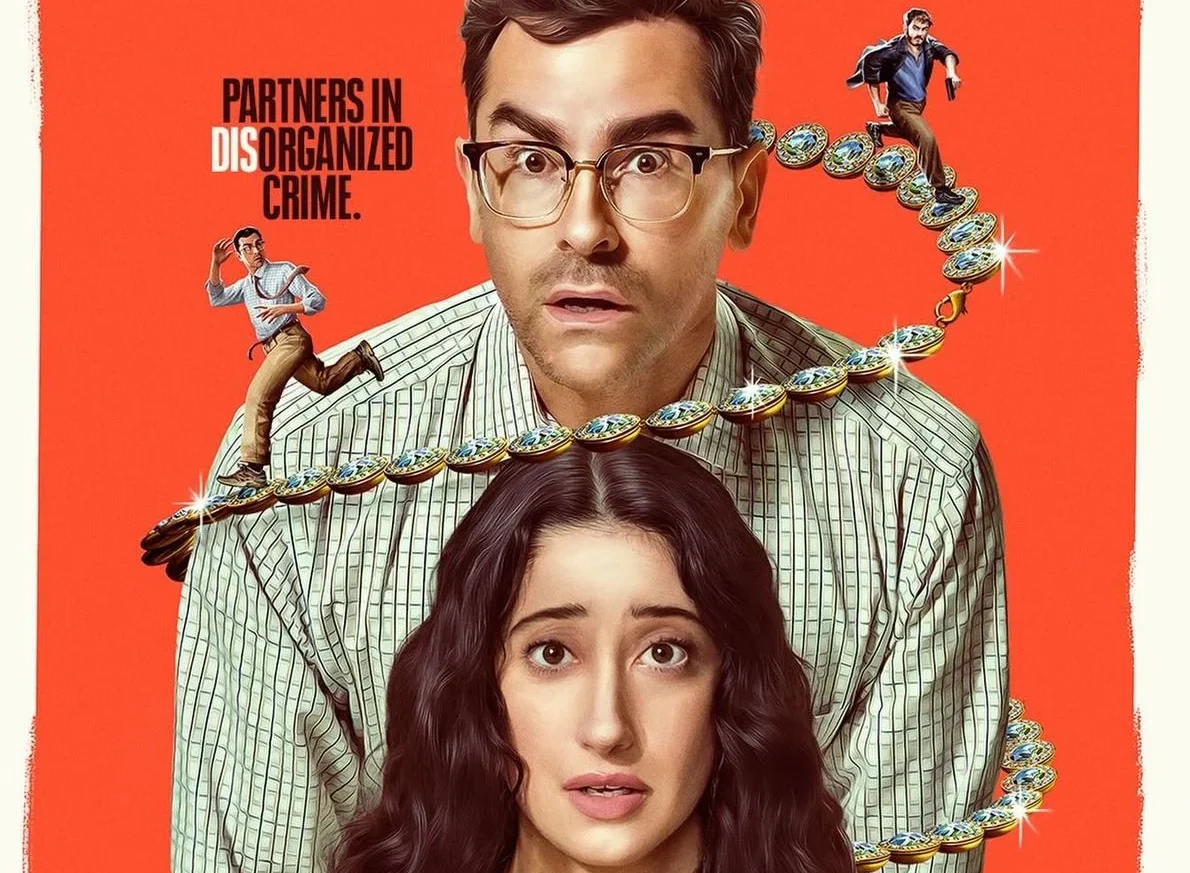
For our NEM Dubrovnik 2026 issue, Sinem Vural listened to the music of Big Mistakes.
There are certain choices that do not stand out blatantly but determine the very backbone of the story. In Dan Levy’s new series Big Mistakes, which we checked out courtesy of Boran Kuzum starring in the lead role, you can listen to Celine Dion alongside Ramiz. How so?
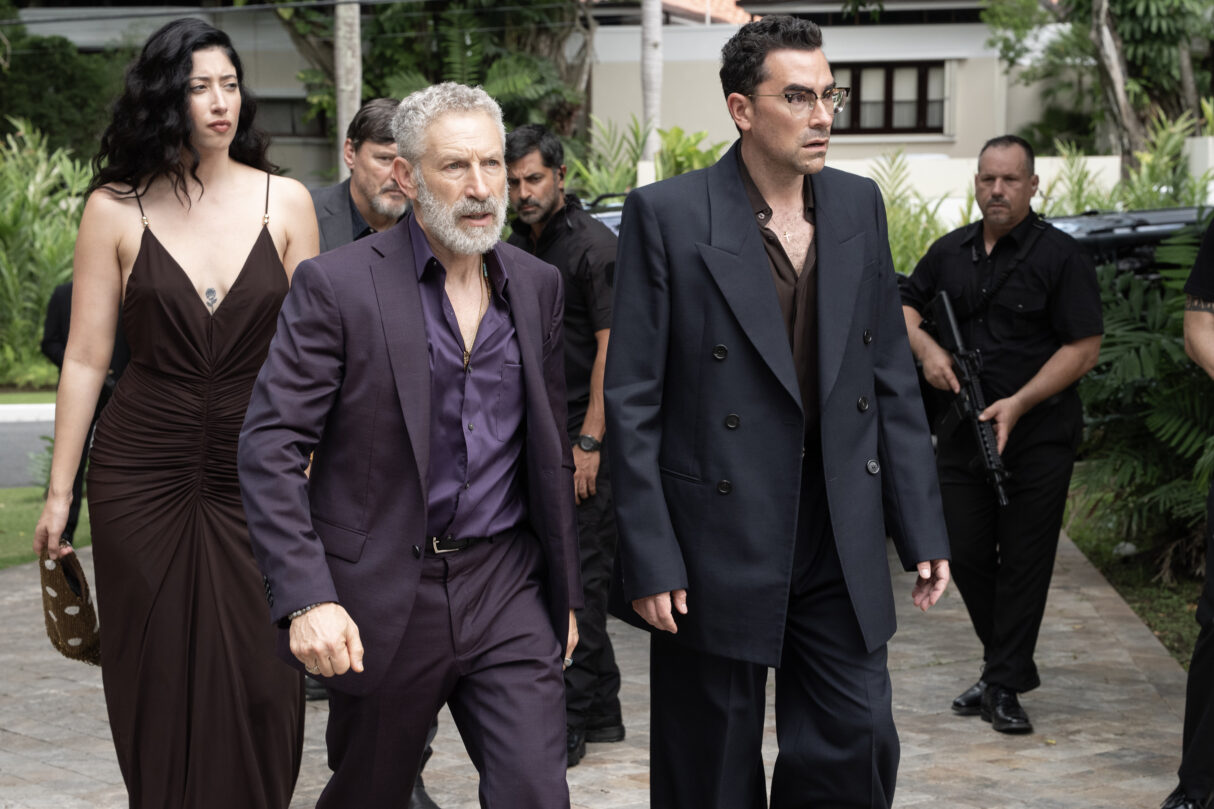
This article will contain plenty of spoilers for those who haven’t watched it yet. Big Mistakes, written by Dan Levy and Rachel Sennott, and starring Dan Levy, Taylor Ortega, Laurie Metcalf, and Boran Kuzum, takes on the story of two incompetent siblings who are involuntarily dragged into the world of organized crime. When family dynamics merge with the story, you arrive at an action-packed black comedy. However, the only striking aspect of the series is not just its plot and characters, but also its musical selections.
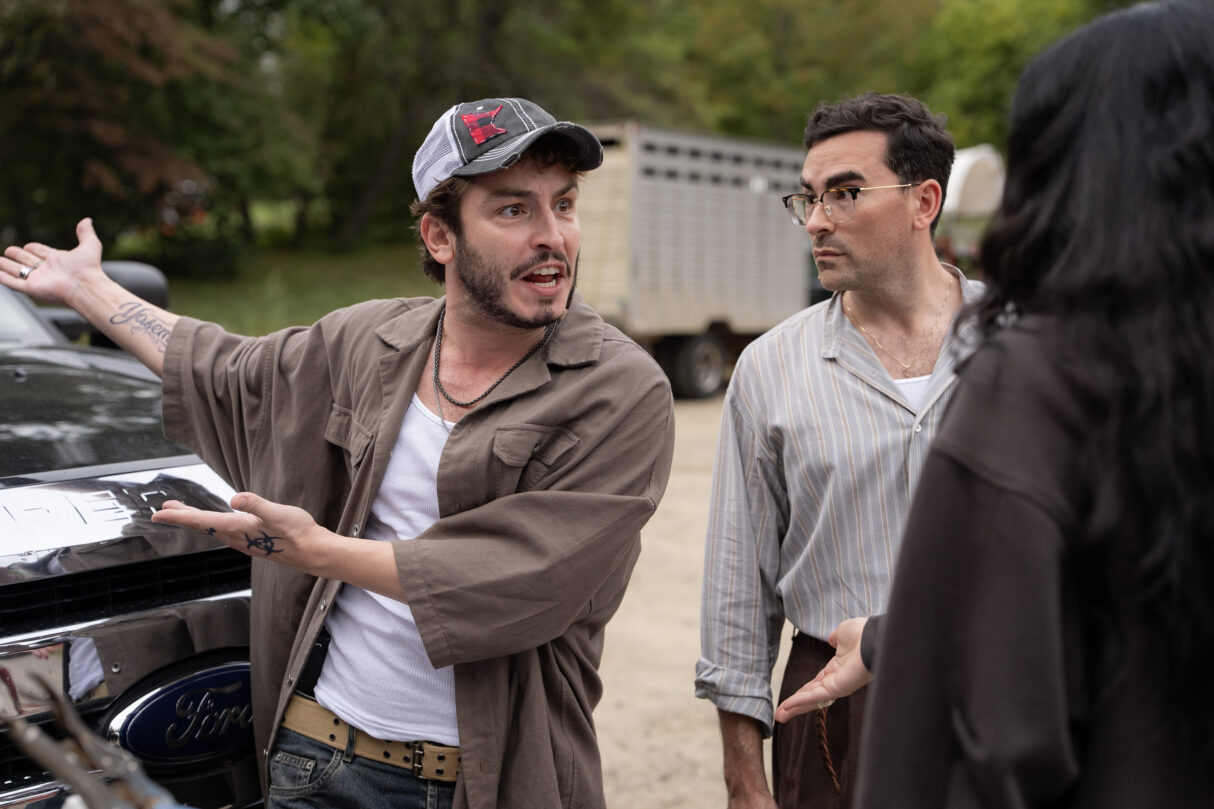
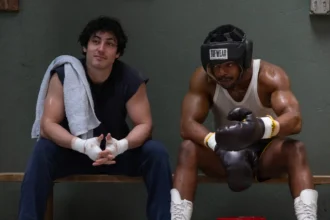
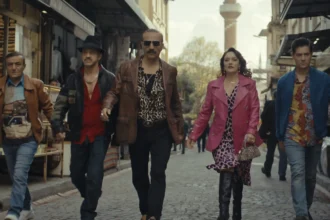
Placing Turkish rap for a character like Yusuf, played by Boran Kuzum, and moving forward with local references meant creating a safe space for the audience with familiar codes. In fact, it is a conventional reflex, but what sets this reflex apart from others is that they used Ramiz’s song “Rest” instead of a mainstream track.
Who doesn’t have a song in the series, whose first season consists of 8 episodes? Katy Perry’s “Firework,” Peaches’ “Sick in the Head,” EsRAP’s “A Wiener Helal,” Noga Erez’s “NAILS.” Frank Sinatra’s “Oh! Look At Me Now,” and Celine Dion’s “River Deep Mountain High.” Although the series’ music is helmed by Peaches and Nora Kroll-Rosenbaum, the library music selected for the scenes is quite remarkable. That is why seeing Celine Dion, Frank Sinatra, and Ramiz in the same series pleases the viewers in terms of variation as much as it relieves music lovers.
Boran Kuzum’s performance also makes this choice visible. Because Kuzum does not oscillate between these two extremes while playing the character; he carries both at the same time. He possesses an emotional state that is neither completely introverted nor entirely overflowing. Rather, it is a controlled intensity that could overflow at any moment. This makes the character familiar, while simultaneously distancing him from the usual.
Today, many productions try to establish being “local” through direct references: the right music, the right jargon, the right neighborhood. But Big Mistakes goes beyond this. It establishes locality not with surface-level signs, but with the emotion itself. And because of this, it positions placing Turkish rap for a Turkish character not as a deficiency, but as a conscious aesthetic choice.
And perhaps the greatest success of Big Mistakes lies right here: instead of giving the audience what is familiar, reshaping what is familiar. Not melting Ramiz and Celine Dion in the same pot; but redefining that very pot itself.