





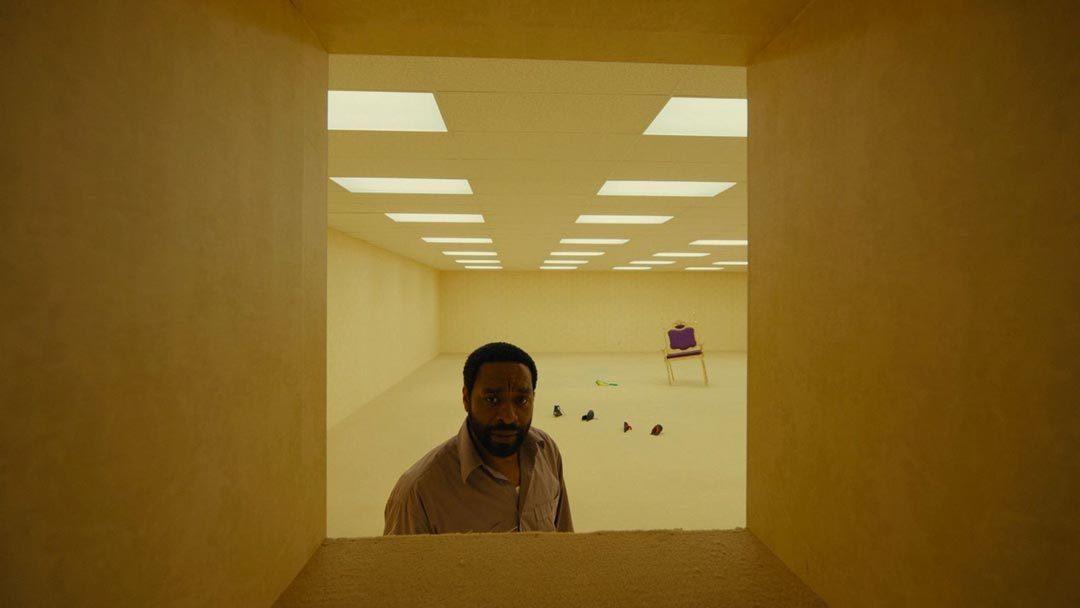
In the June issue of Episode Magazine, Ender Ballıkaya examines the renaissance of the horror genre.
The impact Alfred Hitchcock created with Psycho in 1960 was the first major breakthrough that pulled horror cinema out of Hollywood’s fringe genres and moved it to its very center. The 1970s and 1980s were the years when this breakthrough found its response: productions like The Exorcist, Jaws, and Halloween proved that horror was not just a genre, but a powerful experiential space that drew audiences into movie theaters.
At the beginning of the 2000s, this creative momentum largely gave way to repeating formulas. Although productions of independent origin like Saw created a short-lived rupture, horror cinema quickly became industrialized; it got stuck in a standard narrative language built on the aesthetics of violence and largely lost its innovative vein.
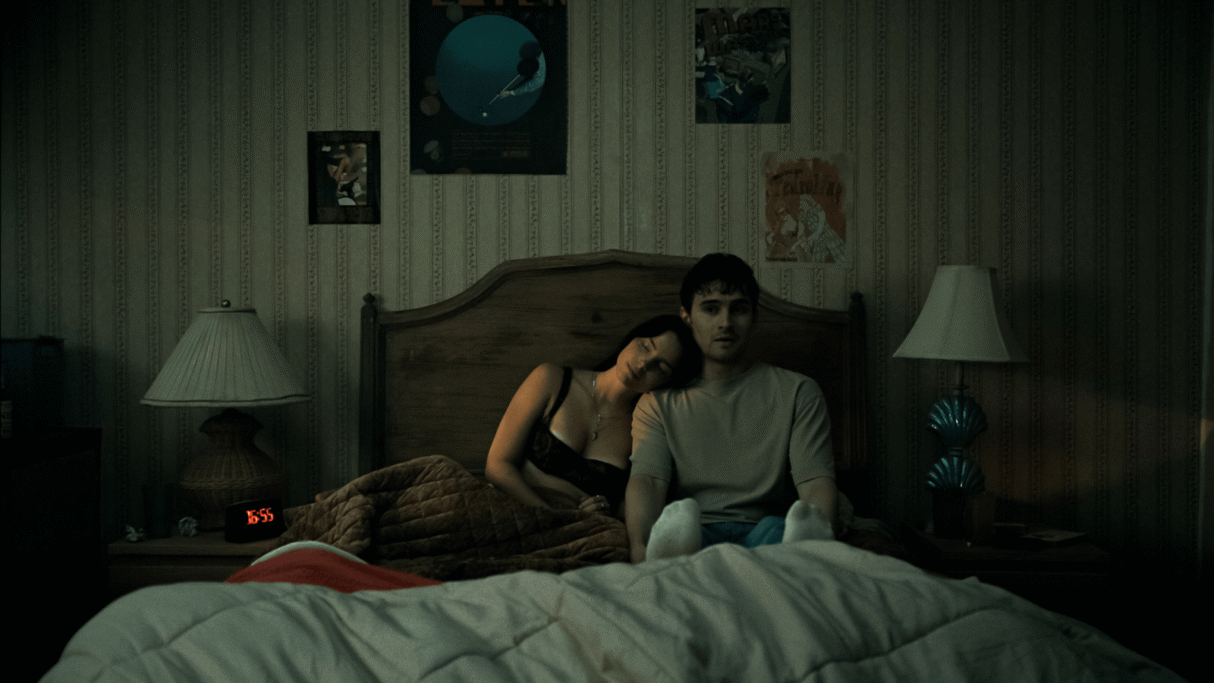
In recent years, this structure has begun to change once again. Productions like Sinners and Weapons, which found success both at the box office and at festivals, showed that horror could transform back into a diversifying narrative space through cross-genre fluidity and the influence of independent cinema. 2026 became the most visible year of this transformation: the unexpected box office successes created by low-budget productions like Obsession and Backrooms clearly demonstrated that the audience is now looking for ideas and experiences rather than budgets.
So, What Lies Behind This Rise?
Behind this rise lies a deep transformation not only in cinematic terms but also in audience psychology. The audience, who watched the same hero in different costumes, the same villain in different masks, and the same final scene repeated in different cities for decades, has largely lost its trust in this template. Box office strategies based on the triangle of known brand, known face, and known format seemed to work for a while; however, as this cycle was repeated over and over, audience interest decreased, ticket sales declined, and movie theaters lost their crowds.
The audience is no longer looking for cliché stories hidden behind familiar logos, but for productions that will truly take them somewhere and surprise them by confronting them with something they have never seen before.
Horror cinema stood out as the genre responding fastest to this need because horror, by its nature, is a narrative form that breaks habits and targets comfort. The tension experienced collectively in the dark, the moments that accelerate the heartbeat, the unexpected shocks…
These create shareable memories rather than just individual reactions. For today’s viewer, horror does not end after the movie finishes; it transforms into an experience that is reproduced, talked about, and even performed on social media. This stands as the most decisive element separating horror from other genres.
To this, one must also add the spirit of the age: while the economic and social uncertainty of the real world makes safe entertainment forms increasingly less satisfying, horror cinema offers the audience the opportunity to experience intense emotions within a framework whose boundaries they know. A controlled risk area… In this sense, the genre ceases to be merely a form of entertainment and becomes one of the emotional release points of the era.
Is This Transformation Merely the Renaissance of a Genre?
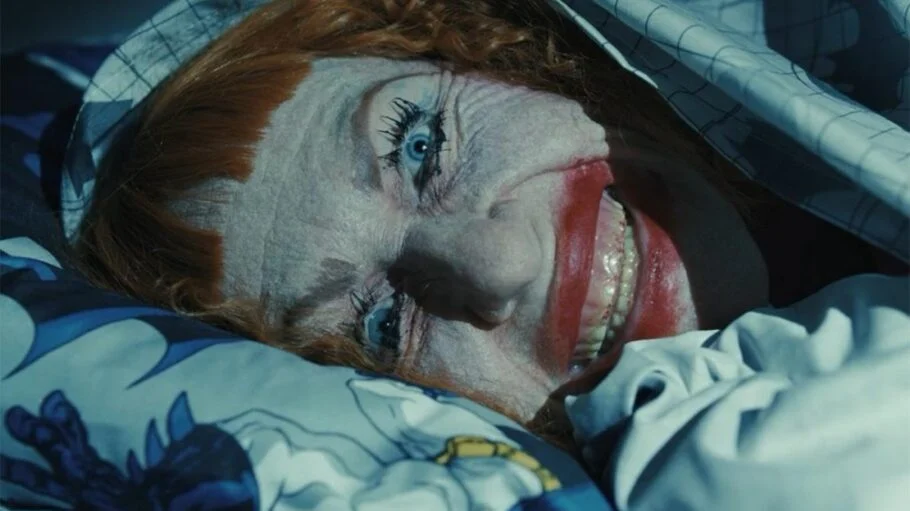
It is now possible to talk about how an independent production can overshadow franchise giants through figures, not just in theory. The 26-year-old YouTuber-director Curry Barker shot Obsession in just 20 days with a budget of 750,000 dollars. In its third week of release, the film surpassed 100 million dollars worldwide, meaning more than 130 times its budget. It became one of the rare productions, mentioned alongside Paranormal Activity, The Blair Witch Project, and Get Out, to reach nine-figure box office numbers with a micro-budget.
During the same weekend, A24’s Backrooms sat at the top of the box office. The film, bearing the signature of 20-year-old director Kane Parsons, is a psychological horror production that brings the universe of liminal spaces—the transitional zones between two different situations or places that have become a cult topic on Reddit and internet forums—to the silver screen.
Parsons first established this universe as a short series on YouTube; shot with a budget of 10 million dollars, the film earned 81.5 million dollars in North America alone during its opening weekend, becoming the biggest opening in A24 history. Globally, it reached 118 million dollars, making Parsons the youngest director in history to rank first at the global box office.
Moreover, these two films left the new production of the Star Wars universe behind at the box office during the same weekend. This result heralds a real breakthrough, not just a trend.
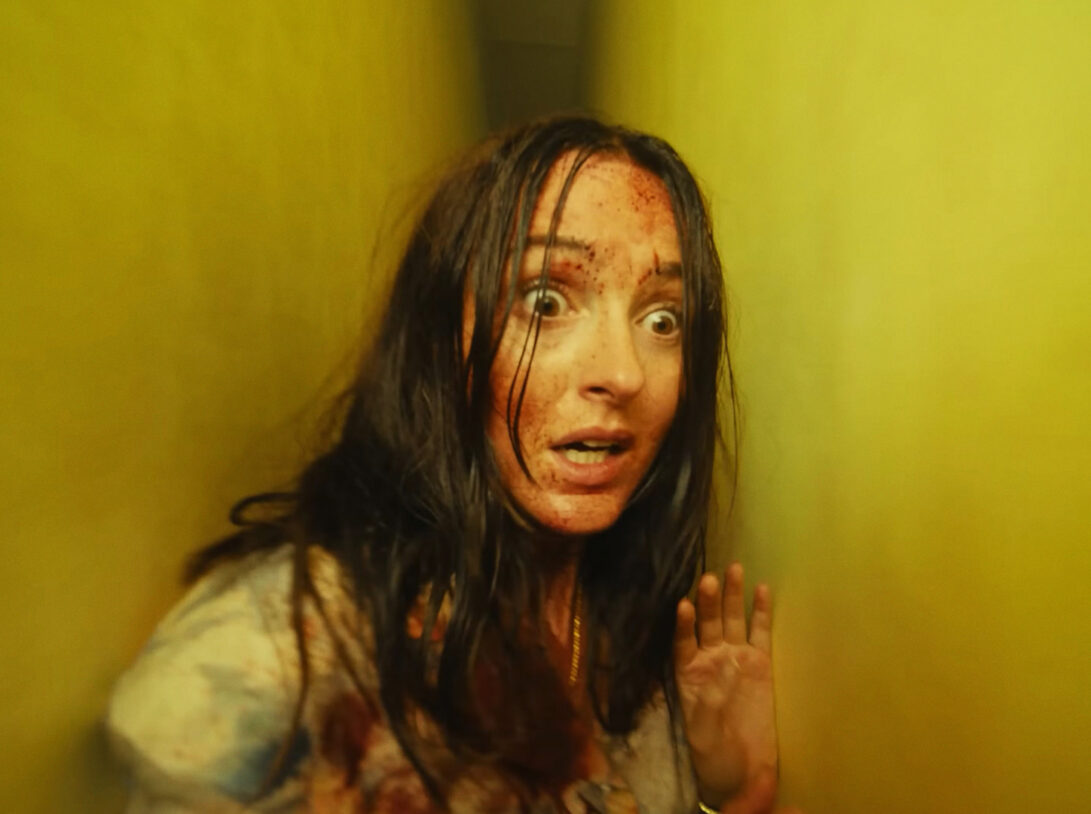
The creative courage that A24 has maintained for a long time should also be read carefully. Even during periods when Hollywood took refuge in safe formulas, the studio placed its bets on original ideas, risk-taking visions, and unknown names. Backrooms became the biggest box office return of this strategy and sent a clear message to the industry: creativity is not a risk, but the most reliable investment.
The logic of the “safe bet” that Hollywood has embraced for decades is shaken precisely at this point: known brand, known face, known format, and a box office guarantee. However, Obsession and Backrooms turn this equation upside down: a high concept, low budget, and an original vision can also find a response at the box office.
This data may move large production companies that stay away from taking risks, albeit slowly; it might encourage them to support unconventional ideas, unknown names, and untried narrative forms. When the rise of horror cinema is read from this perspective, it appears not only as the return of a genre, but as the herald of original and independent cinema understanding infiltrating the mainstream once again.
Perhaps the real answer lies exactly here: the audience did not choose horror, they chose cinema to be brave again. And this courage can save not only a genre, but cinema itself.