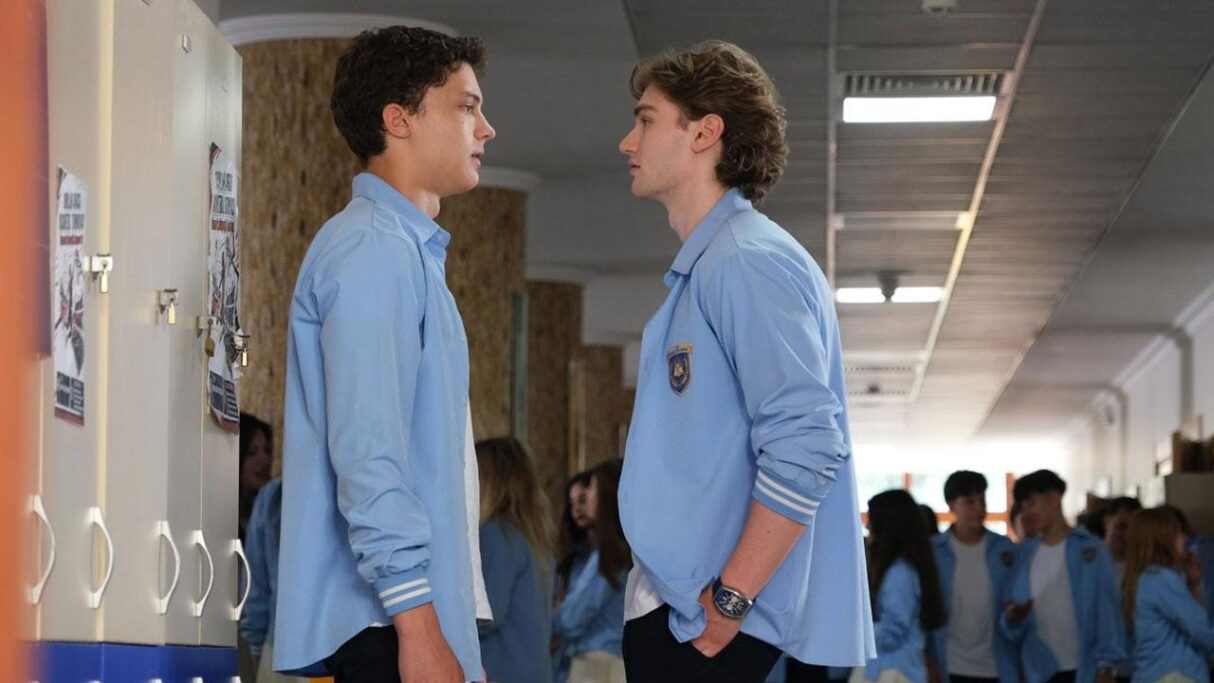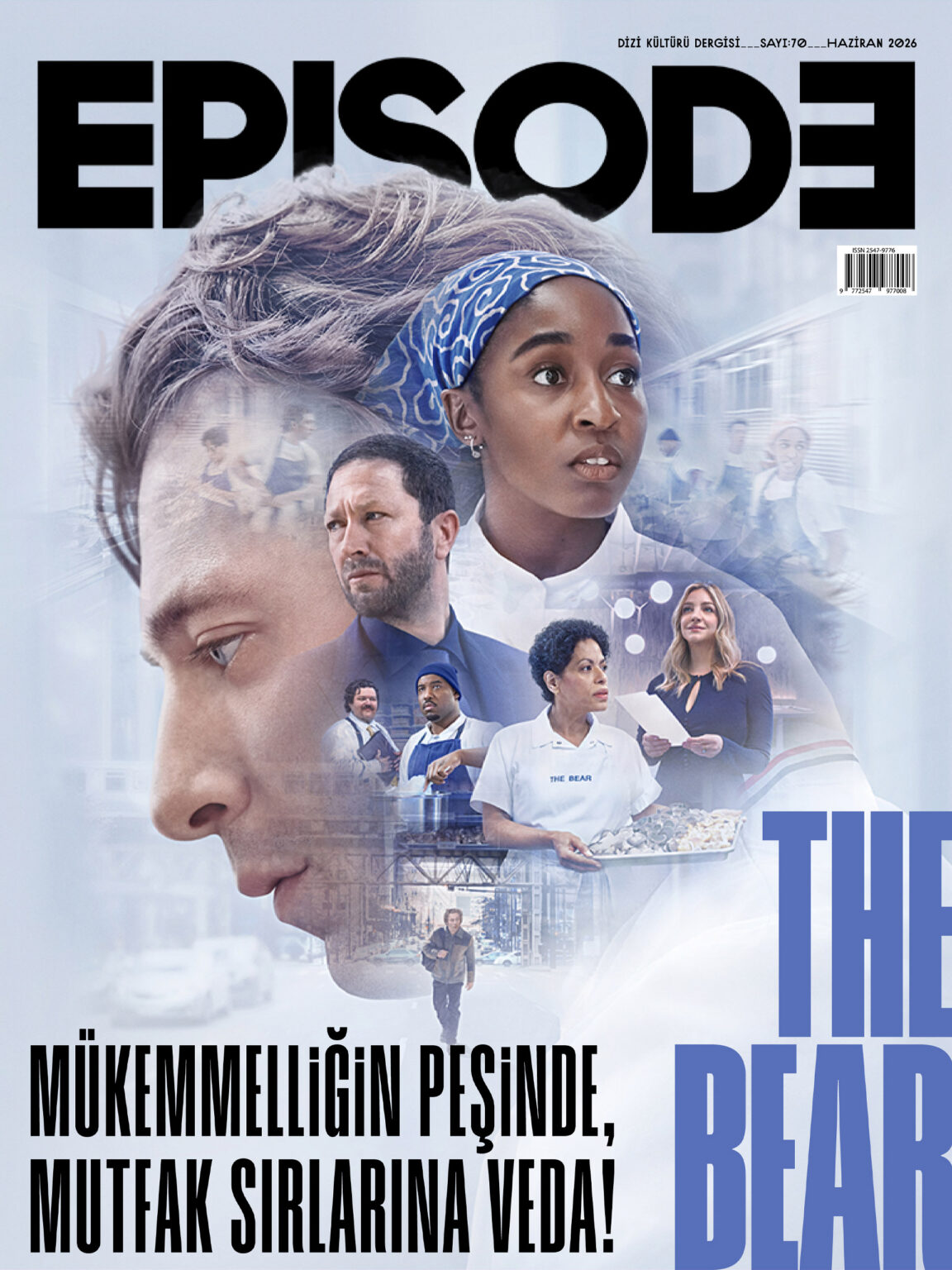





In the June issue of Episode Magazine, Yasemin Şefik looks at where Torn Apart, which she describes as Ebb and Tide Jr., grabs the audience.
Some series become a part of the era they are broadcasted in, while others, when you look back, function like the background music of a period. They recall those years, those people, and that state of mind. Ebb and Tide, which was broadcasted in 2013, was such a series. It is not enough to just look at the story; with its actors, its music, its characters, and its way of looking at youth, it became one of the most important works of its generation.
Moreover, the years that passed increased the impact of the series rather than reducing it. Because most of the names in that cast are among the strongest actors in the industry today. In fact, recently, video clips of it have been popping up on our social media feeds one after another.
The reason Ebb and Tide frequently comes to my mind while watching Torn Apart is not because their stories are similar. In fact, there is no similarity between them in this context. The reason is that both take young people seriously. They tell the story of youth without squeezing it only into the triangle of love, fights, and school. They remind us that everything a person experiences when they are seventeen is actually important enough to shape the rest of their life.
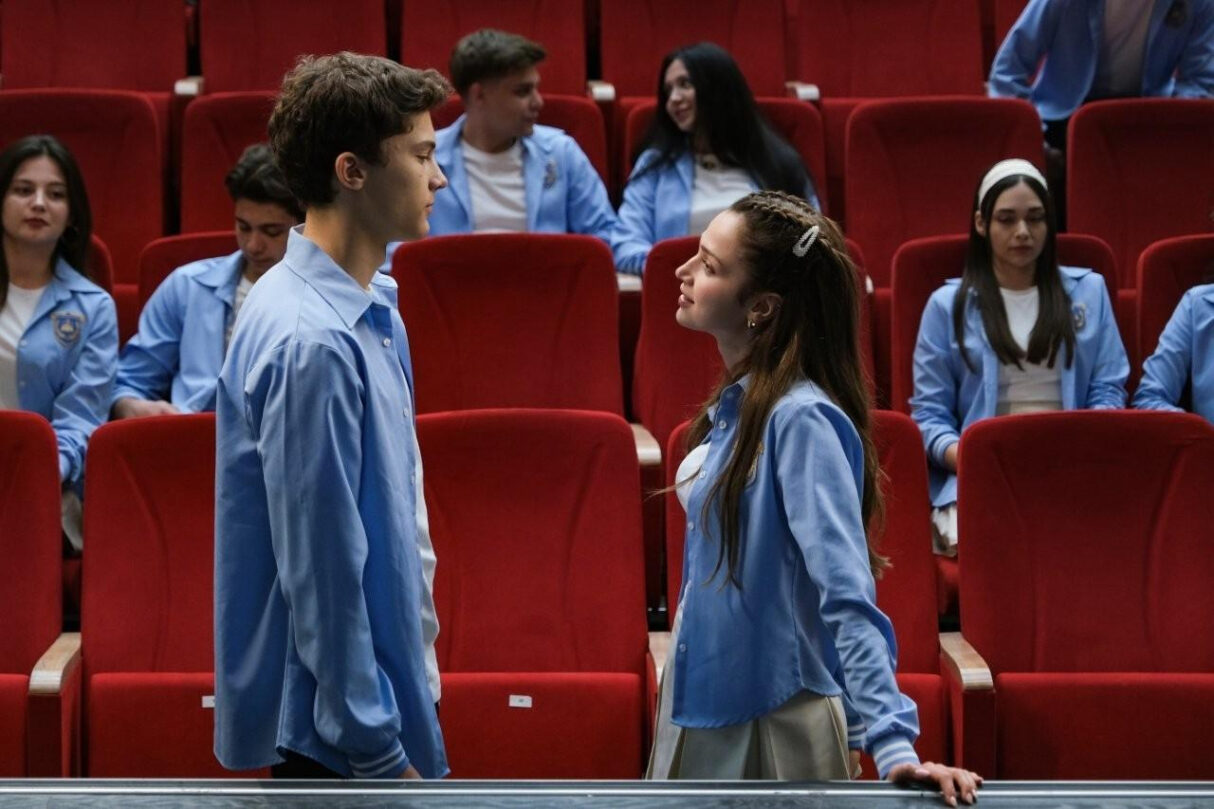
Television has loved showing young characters as either brighter than they are or darker than they are for a long time. Torn Apart, on the other hand, stays away from both of these extremes. The characters make mistakes, remain undecided, sometimes trust the wrong people, and sometimes get lost in their own inner worlds. In short, they act like real people. This is precisely where the audience connects.
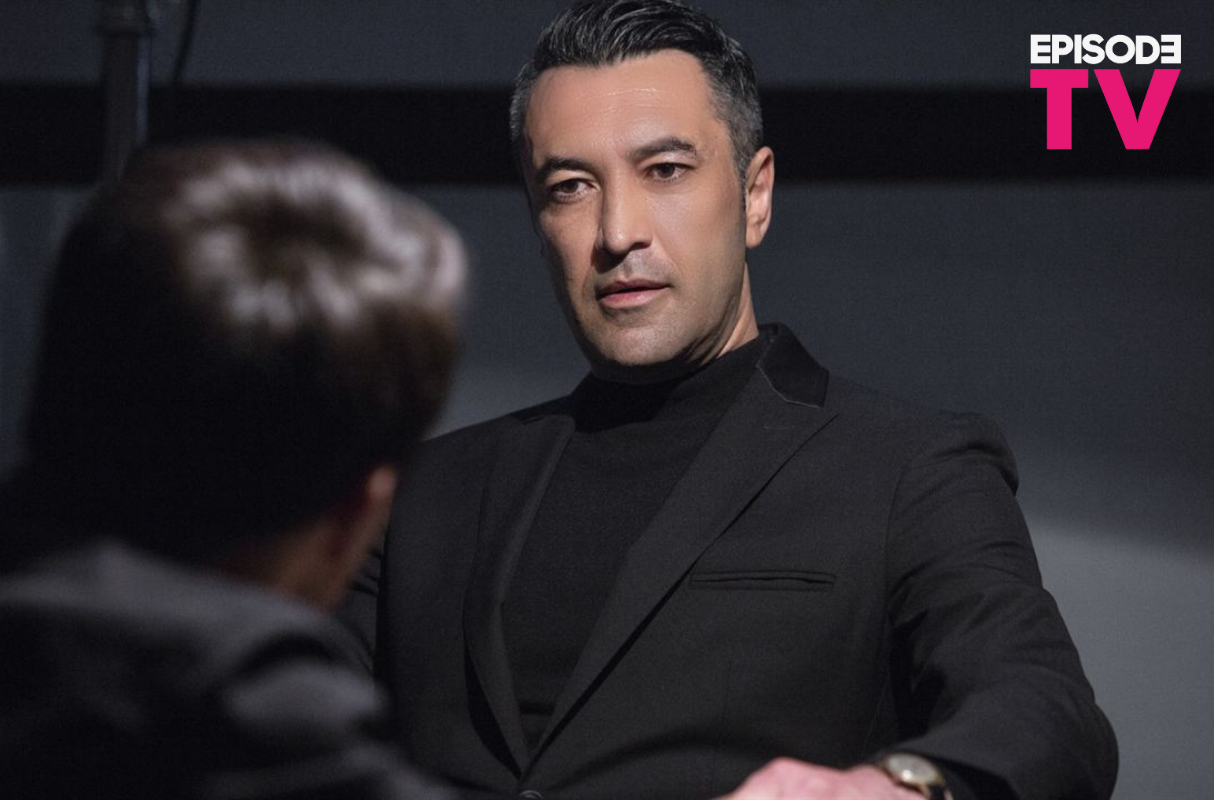
The success of the cast also reveals itself here. When Nesrin Cavadzade appears on the screen, she is one of those actors who do not need long dialogues to explain her character’s past. She showed the dark side of her character and triggered the audience. Naturally, you also get curious about the drama of this. The character played by Armağan Oğuz also fills his place as another trigger. Çağdaş Onur Öztürk, on the other hand, seems poised to surprise us with his story as the episodes progress.
Dilara Aksüyek and Melis Babadağ deliver performances that take mother characters out of clichés. On television, mother characters are often written as representatives of either self-sacrifice or pressure. Here, however, we see women who have their own stories, their own shortcomings, and their own struggles. Rather than being figures who merely accompany their children’s stories, they exist as active parts of the narrative.
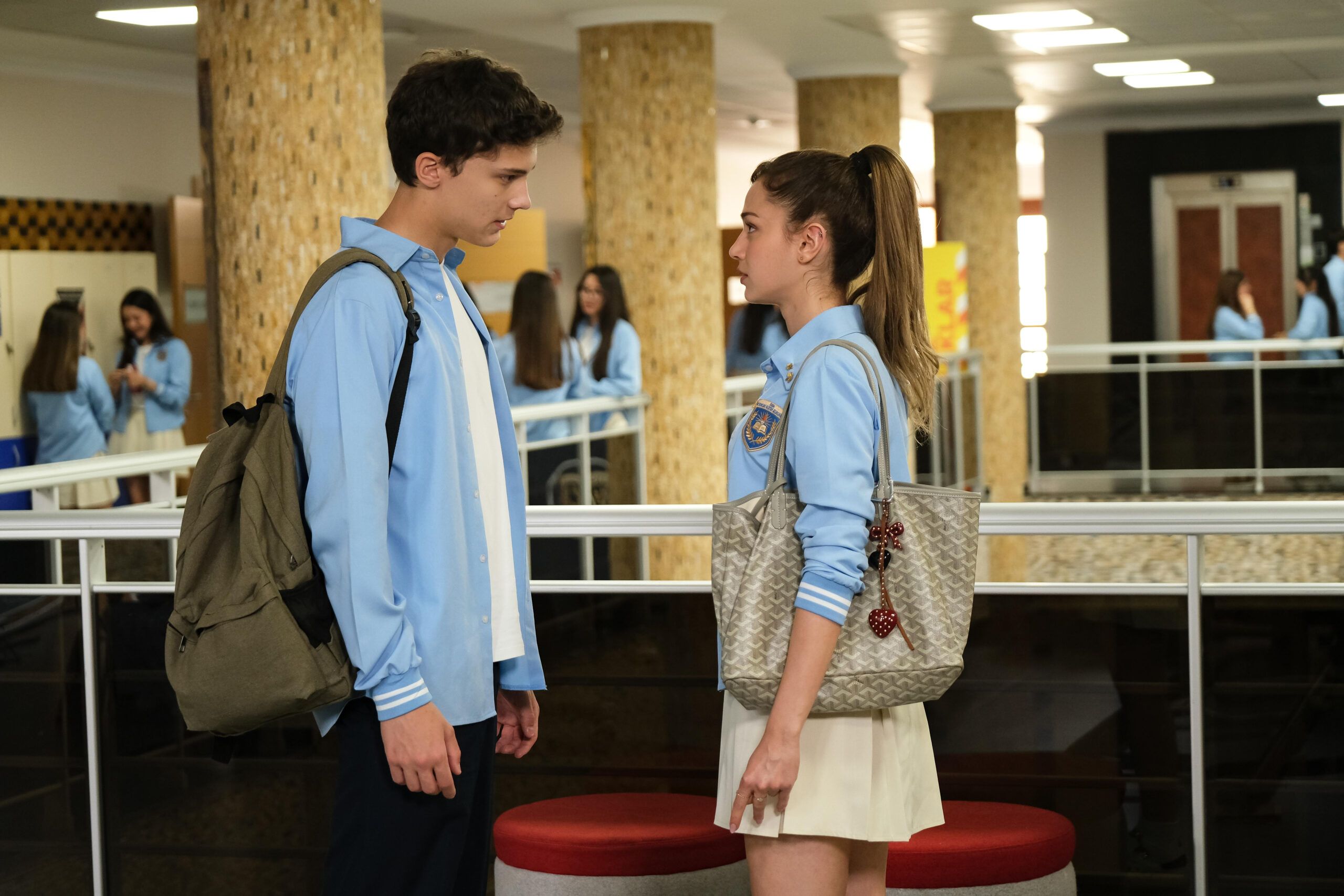
On the side of the young actors, the greatest asset of the series is naturalness. What grabs the audience in the performances of Çağan Efe Ak, Ceren Ayruk, Ata Yaşat, Helin Evren, Efe Musa, and Berra Ahsen Uslu is not technical showiness, but their ability to truly exist on the screen. The state of “making it felt that they are acting,” which is frequently encountered in young actors, here gives way to a natural flow. This makes the friendships, resentments, and conflicts established by the characters much more convincing.
There is also an eye-catching choice on the directing side. Torn Apart takes place in Bodrum. In Turkey, Bodrum is often used as a showcase rather than a living space. The camera usually chases the sea, marinas, sunsets, and postcard views. Torn Apart, however, does not turn Bodrum into a tourism campaign. Instead, it looks at the daily lives of the people living in that city. Emre Kabakuşak is in the director’s chair, bringing the daily life of Bodrum to the screen.
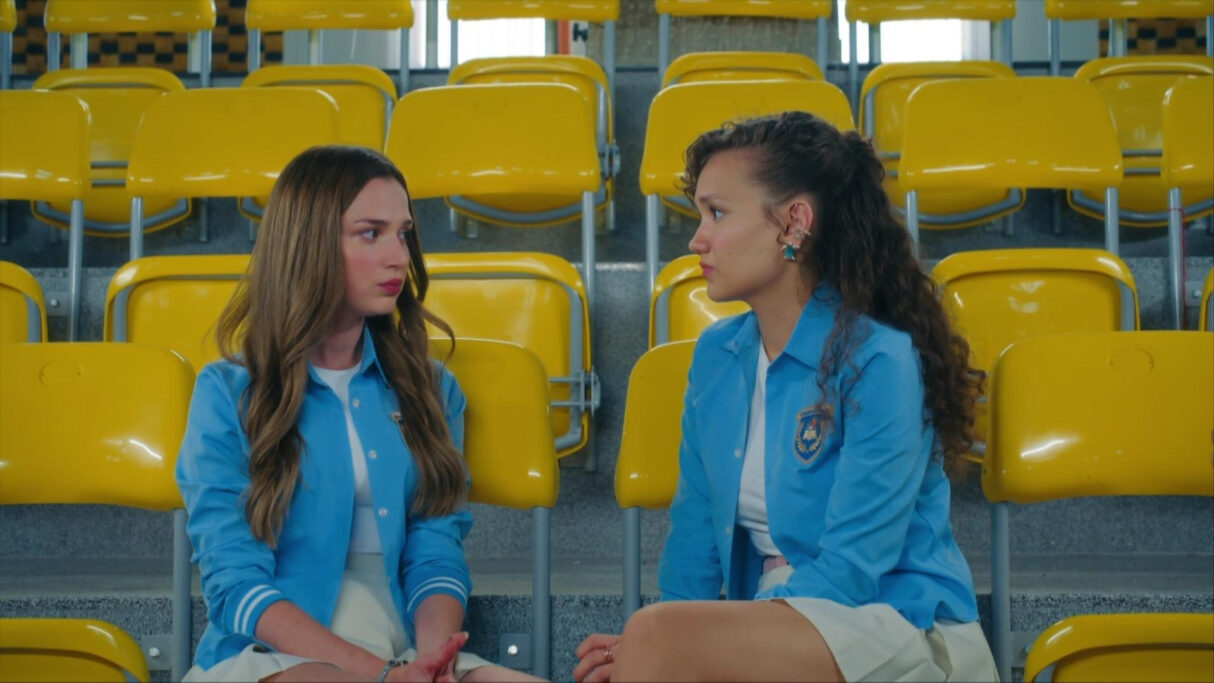
This choice significantly changes the tone of the series. Instead of constantly watching scenery, the audience spends time with the characters. Streets, cafes, houses, and shores appear before us as natural parts of the story. The location does not get ahead of the characters; on the contrary, it supports them.
Perhaps this is why, even though the series belongs to the summer screen, it does not feel temporary. Rather than a summer romance, it creates the feeling that we are watching people’s coming-of-age stories.
The rise it has achieved in the ratings also stems partly from here. Nowadays, it is not very difficult to create curiosity for the first episode. However, there is also something like this here: the project is not in a place of “Look, this person is acting.” It is not loaded onto the cast, and there is no exploitation of the lead role either.
Well, when it is like this, we focus well on the story. I have nothing to say about the casts of ultra-famous people. The audience is also curious about that side, of course. But the main issue is to ensure that the audience returns to the screen a few weeks later. Torn Apart seems to have captured this.
Meanwhile, the balance established on the production side is also remarkable. Experienced actors and young actors feed each other within the same world. No one stands out solely with their experience or solely with their youth. This takes the cast out of being an actor’s showcase and transforms it into a true ensemble structure.
Maybe this is why Torn Apart does not just look like a successful summer youth series. It gives the feeling that “we can put on our winter clothes too.”
Note: When things went well with AI (artificial intelligence), did they set the boat on fire? Yes, they did. I will talk about this as a separate article topic.