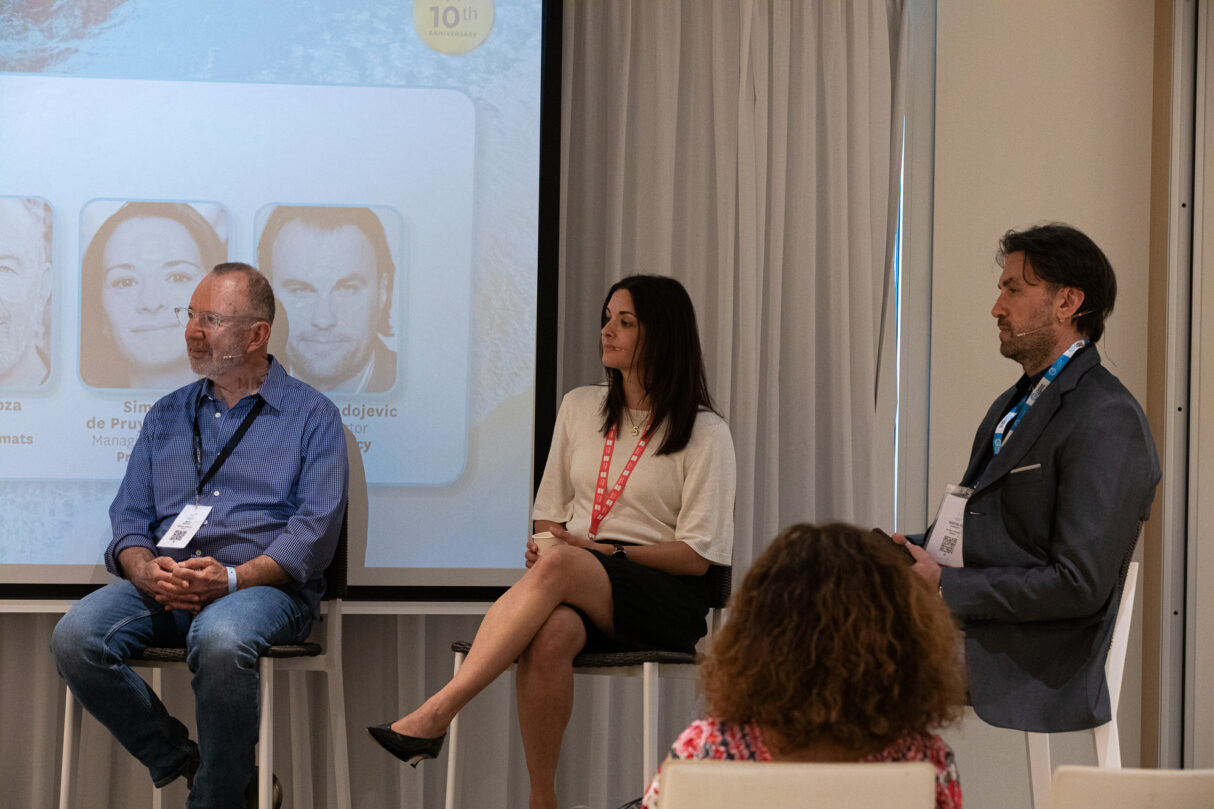



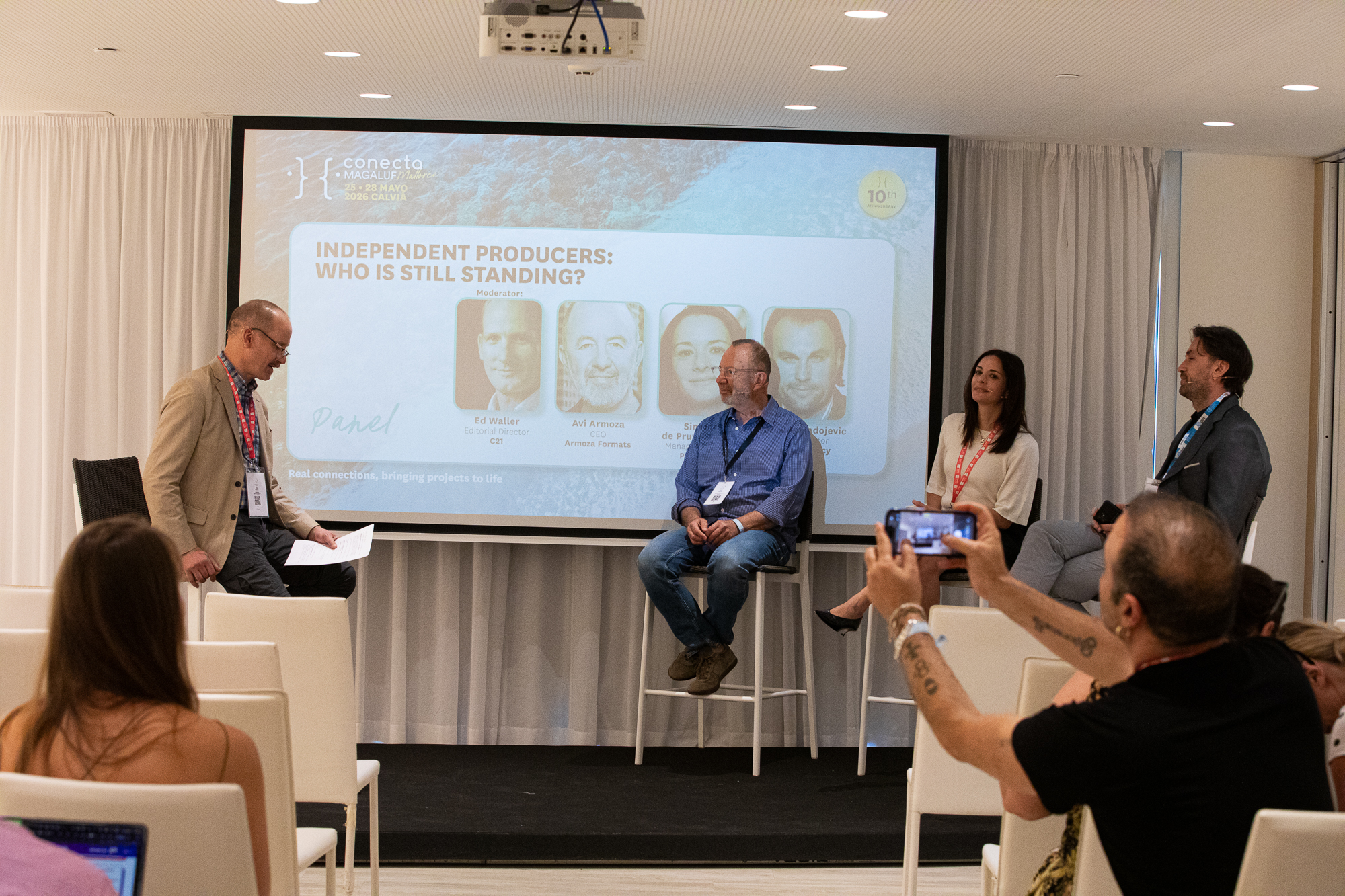
During the panel titled “Independent Producers: Who Managed to Survive?” at Conecta Magaluf, which discussed the future of the television industry, Avi Armoza (Armoza Formats) and Primitives’ director Simone de Pruyssenaere highlighted shrinking market budgets and global consolidation pressures. Meanwhile, Miroslav Radojevic, Sales Director of Global Agency, left his mark on the session by describing a “high-risk” new world order through the lens of Turkish TV series.
Here are the highlights of that striking panel, stretching from the survival struggle of global independents to the million-dollar gambling table behind Turkish dramas…
Taking the floor in the opening sections of the panel, Avi Armoza, founder of Armoza Formats, emphasized that in this new era where global broadcasters and platforms have begun cutting budgets, creative independents must rapidly transform. According to Armoza, the era of knocking on doors with just a good idea is over; to secure financing, independent producers now need to turn to international co-productions at a more embryonic stage and distribute risks through flexible partnerships.
Simone de Pruyssenaere brought the other side of the coin to the table: the danger of vertical integration in regional markets. Stating that major media groups corner independent companies by establishing their own distribution networks, Pruyssenaere drew attention to the importance of focusing on niche content and reading local audience reflexes very well to survive in local markets. This blueprint of “budget discipline and strategic partnership” drawn by Avi and Simone clearly summarized the severe financial bottleneck that the television world is currently experiencing.
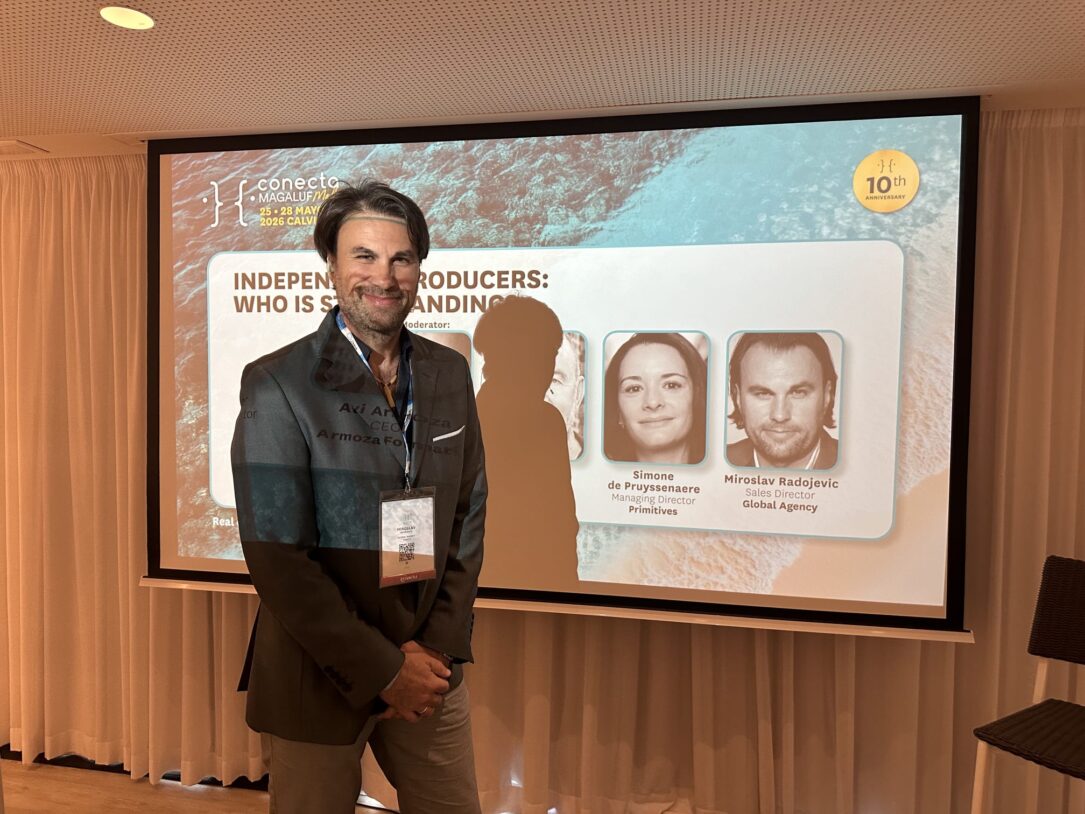
Miroslav Radojevic: The $500 Million Turkish Miracle
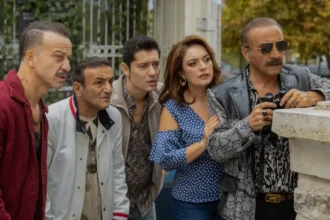
Just as shrinking budgets and producers hitting the brakes in the global market were being discussed, Miroslav Radojevic stepped in to explain how Global Agency disrupted the status quo in this ruthless market. Stating that an overwhelming majority of their portfolio, around 65% to 70%, consists of dramas (scripted content), Radojevic shared striking data regarding the global power of Turkish series.
Emphasizing that the annual export revenue of Turkish series exceeds $500 million, Radojevic stated that with this success, Türkiye ranks second or third in the global market depending on the category, right behind America. Reminding the audience that Global Agency started this journey 20 years ago, Radojevic noted that everything began with Magnificent Century (Muhteşem Yüzyıl) and 1001 Nights (Binbir Gece): “These two iconic projects became the locomotives that introduced Turkish dramas to the world, and since then, this wave has grown year by year, reaching a massive popularity.”
The Industry’s New Trend: The Minimum Guarantee (MG) Gamble
Moderator Ed Waller’s question regarding how this popularity of Turkish series has shifted financial risks presented a complete contrast to the “cautious and conservative” financing models mentioned by Avi and Simone. Radojevic admitted that while distributors used to be able to acquire rights without making any upfront payments, all the risk has now shifted onto the distributors.
“You don’t handle the production, you don’t broadcast it on the channel, but the moment you offer the highest MG (Minimum Guarantee) at the table, you secure the international rights to the project. This is literally gambling.”
Stating that the television system in Türkiye is entirely built upon the ruthlessness of weekly ratings, Radojevic said that they are forced to place million-dollar bets before the project is even shot, while there is nothing but a script and a cast. If the series succeeds and lasts for 100–150 episodes, it turns into an excellent profit for the distributor.
However, if the project is canceled after 26–30 episodes, those massive MGs vanish into thin air because international buyers do not want short-lived shows, and the process turns into a complete nightmare.
Despite this, Radojevic added that even though their competitors offer much higher MGs, some well-established Turkish producers still choose to work with them, trusting Global Agency’s 20-year brand value and its ability to maximize revenue.
Final Word: Who Will Survive?
Looking at the overall outcome of the panel, the budget constraints and consolidation pressures pointed out by Avi Armoza and Simone are pushing the boundaries of independent broadcasting. However, the portrait painted by Miroslav Radojevic proved that with the right strategy, a strong niche area (such as Turkish dramas), and proper branding, independent players can still deal the cards at the table. The industry is now tougher, bolder, and riskier; but there is still a place to stand for independents who maintain their speed and flexibility.
For more Conecta Magaluf 2026 content:
Who Holds the Future of Entertainment? Creators or Broadcasters?
Microdramas: Rowing Against the Current or the New Gold Mine of Entertainment?