



While television and traditional digital platforms continue to tell long, magnificent, and horizontal stories, a completely different revolution is taking place on the vertical screens in our pockets. The “Microdrama” craze, with episode lengths not exceeding 1 to 2 minutes and forced to hook the audience within seconds, is taking the whole world by storm.
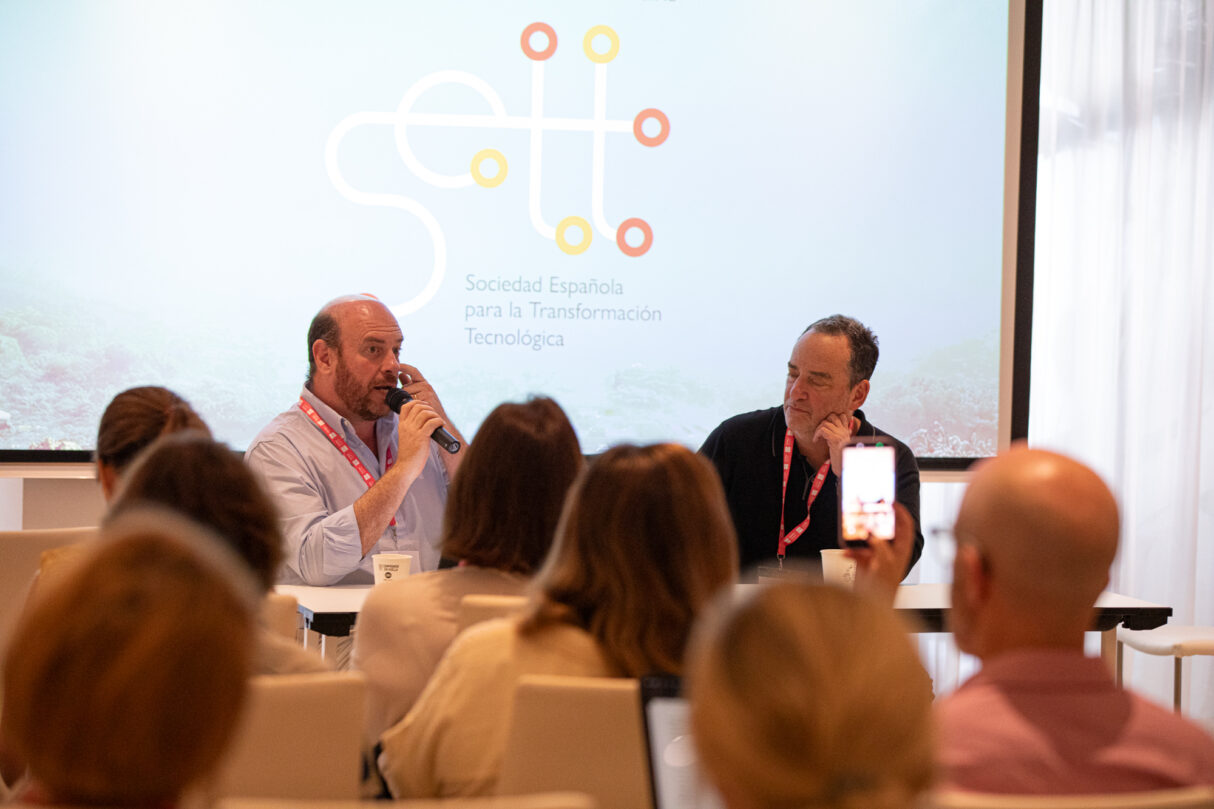
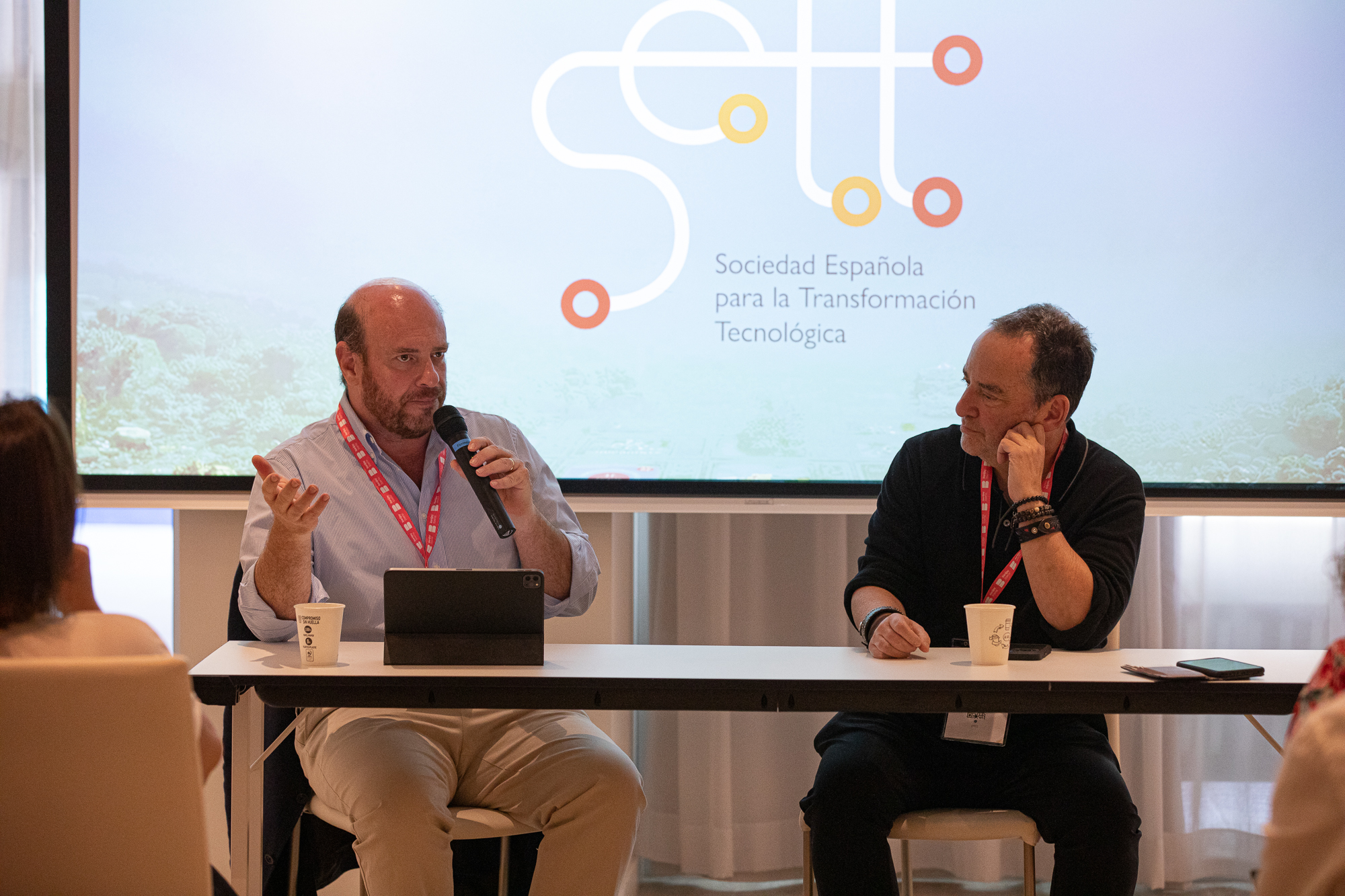
Held as part of Conecta Magaluf 2026, the workshop titled “Focus on Microdrama: The Game Is on-When to Make Your Move” put this foggy yet billion-dollar new market under the microscope. Under the guidance of João Maia Abreu, Managing Director of International Business Development and Co-Productions at SPi, and Jay Blumenfield, CEO of The Jay and Tony Show, we decode the secrets of this new vertical universe that everyone is trying to understand.
These days, a single question echoes through the corridors of the global entertainment industry: Do microdramas have longevity, or are they a passing fad? No one is entirely sure, but no one can afford to stay away from the massive cake on the table and this wind. Industry players remain cautious but continue to invest big bucks. So, what is this microdrama, and why is the industry in such a state of tense excitement?

What Is This Microdrama?
Unlike traditional series, microdrama is a storytelling genre designed according to mobile consumption habits, usually shot in a vertical format, and consisting of ultra-short episodes of 60–90 seconds, each ending with a dramatic cliffhanger. We can also call them next-generation, addictive soap operas that we encounter while scrolling through TikTok or Instagram Reels, the ones we lose if they don’t catch us in the first 3 seconds.
Omdia’s latest data clearly reveals the scale of both the threat and the potential: the daily mobile usage times of micro-drama apps, such as DramaBox in Mexico and FlickReels in the UK, have surpassed giants like Amazon Prime Video and Disney+. The audience no longer goes to the content; the content infiltrates those tiny gaps in the audience’s daily lives (while waiting for the bus, or standing in a coffee line).
“We Must Reach the Audience Wherever They Are”
One of the most notable names at the workshop, João Maia Abreu, International Business Development Director of the Portuguese production giant SPi, is among the early birds instead of ignoring this trend. Having launched their first local microdrama project in Portugal with RTP Play, Abreu summarizes their approach with these words: “Why shouldn’t we enable the audience to access fictional content wherever they are? We are now going to consume content vertically, and we must do this at international standards and with high quality.”
This is precisely the curve where traditional producers struggle the most. Because microdrama does not have to be cheap and low-quality; on the contrary, with budgets and production quality rising, the formula for keeping the audience on the vertical screen depends on high production and qualified screenplays.
When Will You Make Your Move?
Jay Blumenfield, CEO of The Jay and Tony Show, focuses on that crucial question in the workshop’s title: The game is on—when to make your move? According to Blumenfield, a complete “wild west” period is being experienced right now. The risk is high, the formulas are not yet fully written, but waiting might be the biggest mistake.
Even traditional giants like TelevisaUnivision’s ViX or Brazil’s GloboPlay have started to integrate micro-dramas into their own freemium (free but with in-app purchases) ecosystems. The industry’s current strategy is clear: invest the money, stay inside the ecosystem, sniff out the trend, and scale up when the right moment comes.
A Bubble or the Future?
At the end of the day, microdrama is the latest act of that existential crisis that movie theaters experienced against television, and television against digital platforms. Time will tell whether it will have continuity, but one thing is certain: as the audience’s attention span shortens and mobile dependency increases, this format will continue to grow. As certified at Conecta Magaluf 2026; traditionalists who turn up their noses at this craze may not find a place for themselves on tomorrow’s vertical screens. The game has already begun, now is the time to make a move.
Who Holds the Future of Entertainment? Creators or Broadcasters?