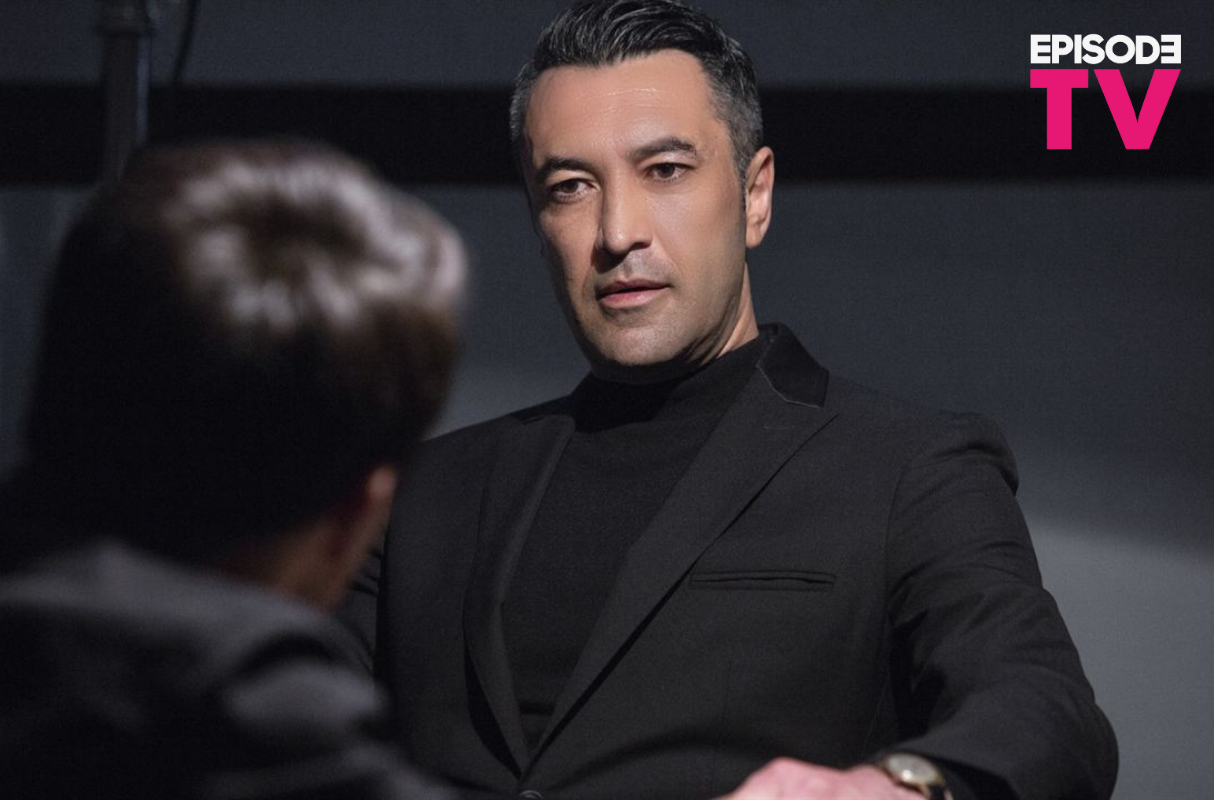





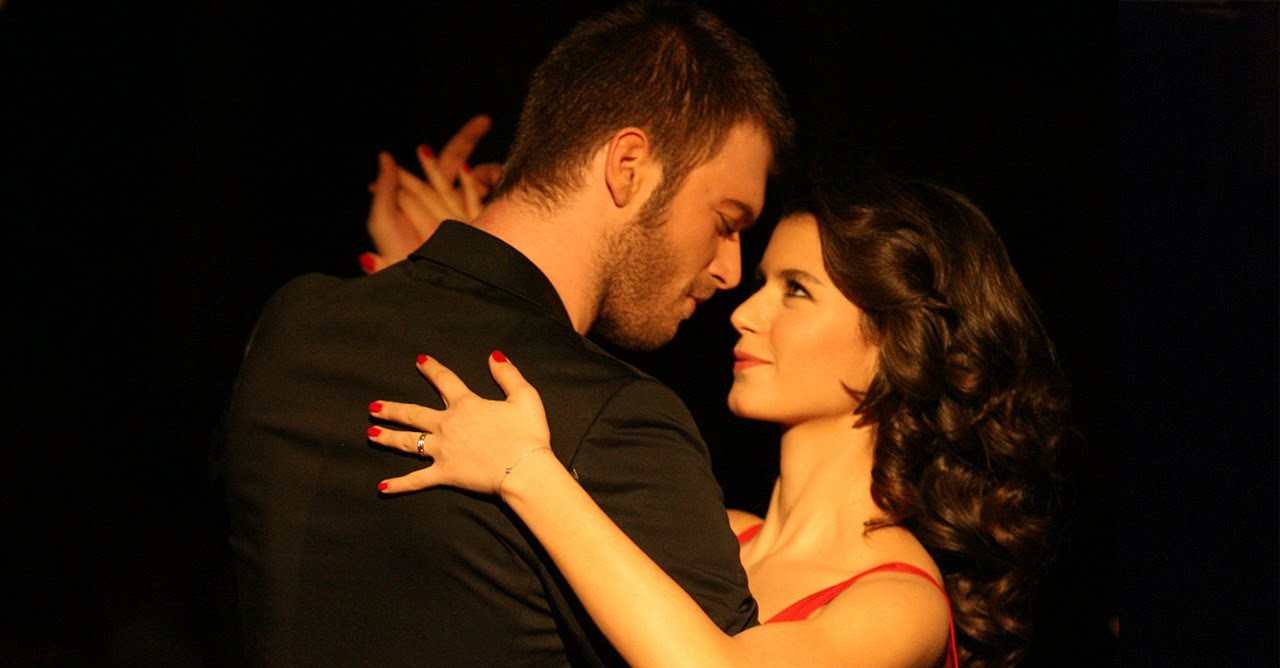
For our NEM Dubrovnik 2026 issue, Sevtap Tuzcu took a look at kisses that changed the course of the story.
Kissing is one of the smallest yet most intense rituals we have.
It is neither entirely biological nor entirely cultural. It exists in between, in that unstable space where instinct meets interpretation.
Anthropologist Helen Fisher describes kissing as a form of chemical evaluation: a way of reading another person through proximity, scent, and breath. In that sense, a kiss is not just an expression. It is a test.
But the emotional weight of a kiss doesn’t come from biology alone. As Alain de Botton points out, love distorts scale. Small gestures begin to carry disproportionate meaning: a possibility, a promise, or sometimes a misreading we choose to believe.
This is why certain kisses exceed their physical boundaries. They don’t simply happen within a story. They alter its direction.
What makes a kiss touching is rarely its intensity. It’s its context.
Delay. Impossibility. Vulnerability. And most importantly: aftermath.
Because the real impact of a kiss is rarely contained in the moment itself. It begins after.
A kiss is a threshold. A shift. And once it happens, even if nothing visibly changes, nothing is quite the same anymore.
When Intimacy Arrives Too Soon
Some kisses don’t wait.
They arrive before the story is ready, before the characters have built the emotional ground to hold them. There is no delay, no careful escalation, no illusion of safety. Just immediacy. And exposure.
This is what makes them unsettling and unforgettable. Because intimacy, when it comes too soon, is not a reward. It’s a risk.
It bypasses structure, collapses distance, and forces two people into a closeness they haven’t earned yet. Not through time, not through trust. Only through recognition — a sudden, almost intrusive awareness of the other.
And once that line is crossed, there is no returning to neutrality.
Kisses That Bend the Story
In Turkish television, where emotion is heightened and narratives are built on conflict, fate, and moral tension, a kiss is rarely just romantic. It is structural.
Turkish series have become a genuinely global phenomenon in recent years, reaching audiences across the Middle East, Latin America, Eastern Europe, and beyond. Their appeal lies partly in how they handle emotional escalation: slowly, deliberately, with a patience that Western formats often abandon. The kiss, in this context, is earned differently. It accumulates.
These series often frame the kiss not as resolution, but as rupture — the moment where fantasy, performance, or repression collapses into something that can no longer be contained. Not all kisses deepen a story. Some break it. They redirect tension, expose dynamics, and accelerate collapse. They are turning points disguised as intimacy.
Ten Kisses That Changed Everything
Forbidden Love — Bihter & Behlül
This kiss legitimizes desire while creating an irreversible ethical rupture. The story no longer revolves around a taboo but around a conscious choice, which makes it far more damaging. Prohibition is abstract; decision is personal. Once Bihter chooses, there is no framework left to protect her.
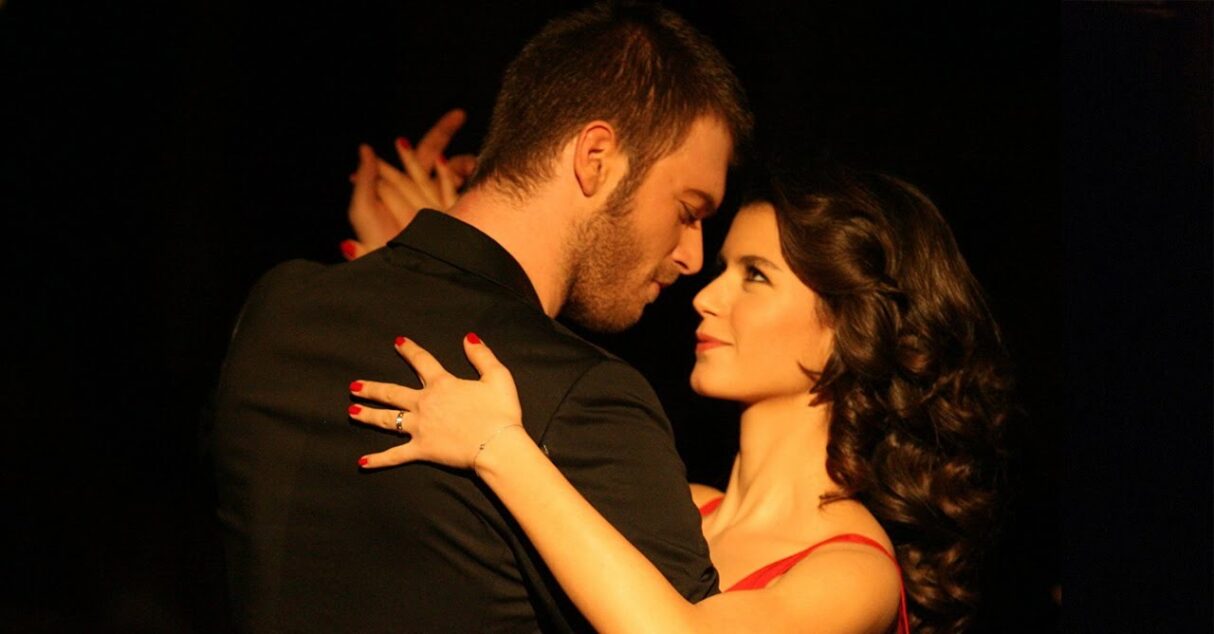
Ezel — Ezel & Eyşan
What looks like intimacy here is actually repetition. This kiss turns into a loop that reminds both characters, and the audience, that the past cannot be rewritten. Proximity doesn’t signal forgiveness. It proves that betrayal is still alive, still circulating between them, unresolved.
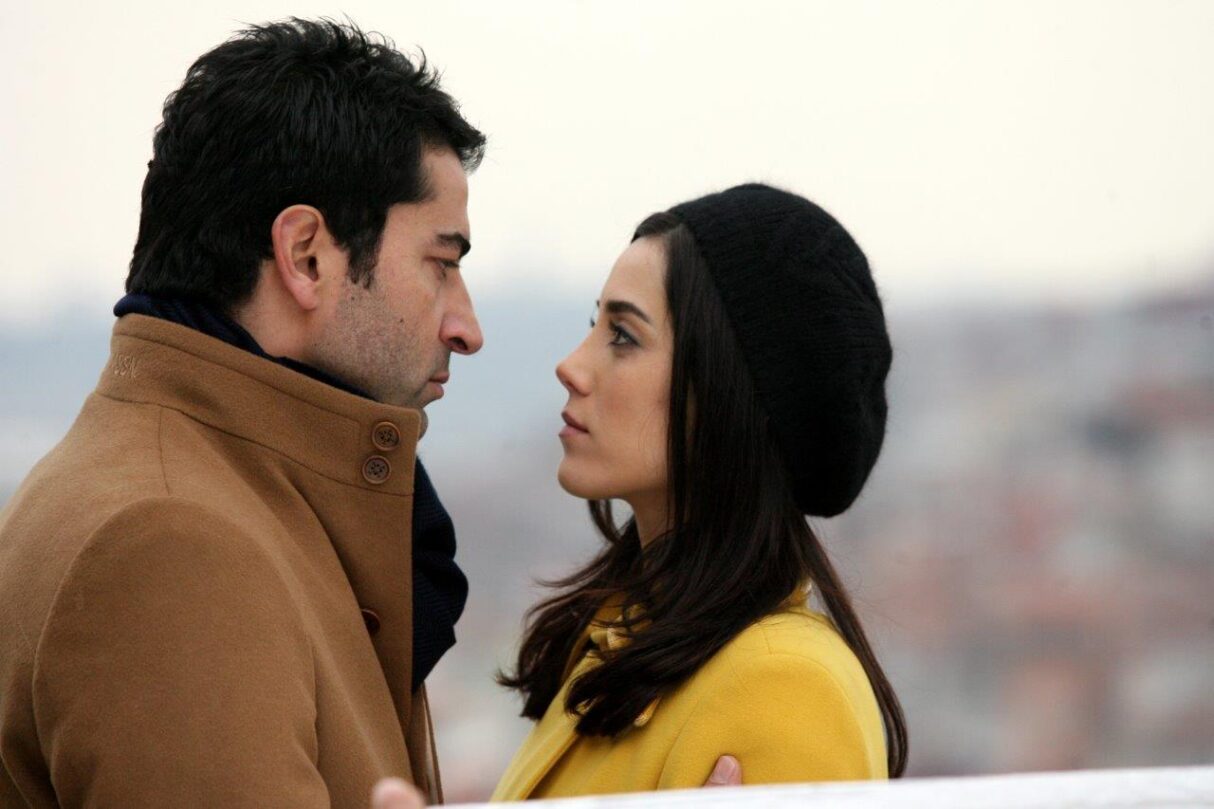
Kuzey Guney — Kuzey & Cemre
Timing becomes more decisive than emotion. This isn’t a reunion — it’s the weight of missed possibilities landing in a single moment. The kiss happens too late, or perhaps too early, which amounts to the same thing: the emotional ground has already shifted beneath it.

Fatmagul — Fatmagül & Kerim
This scene creates a fragile space of trust emerging from trauma. The kiss is not healing itself — it is the first sign that healing might be possible. A distinction that matters enormously. Hope and recovery are not the same thing, and the series is honest enough not to conflate them.
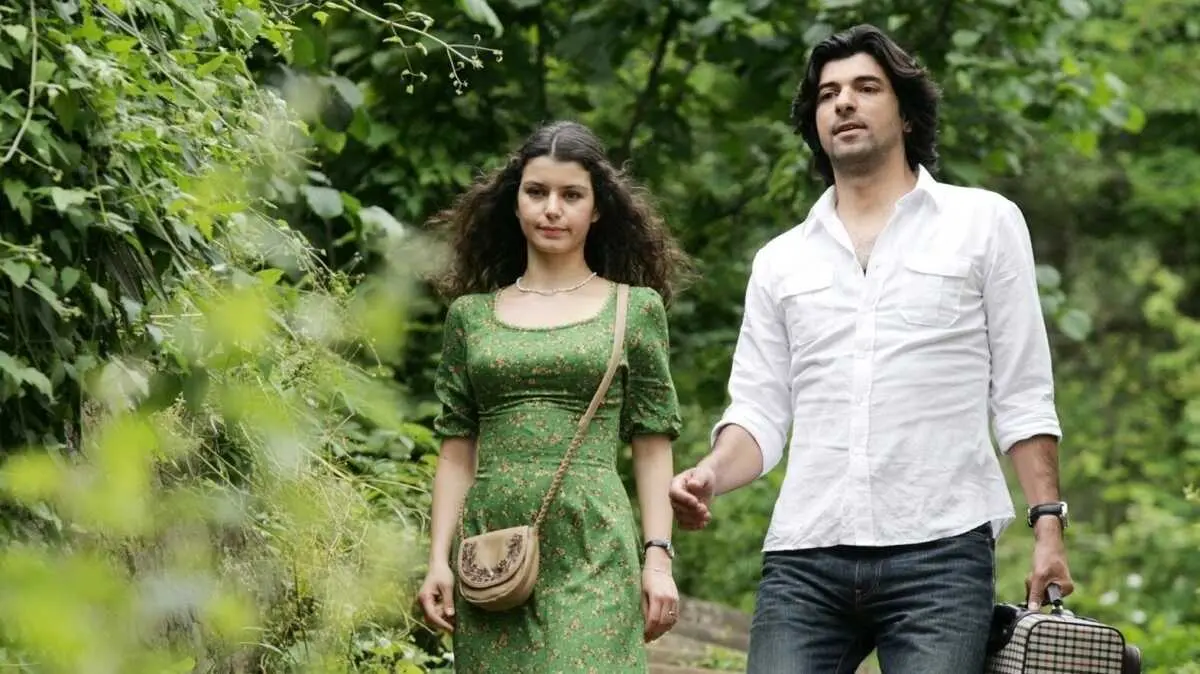
Endless Love — Kemal & Nihan
Although it feels like a beginning on the surface, it signals an ending. This kiss whispers that love cannot outrun fate. The emotional register is elegiac from the start — a beginning that already knows it is also a farewell.
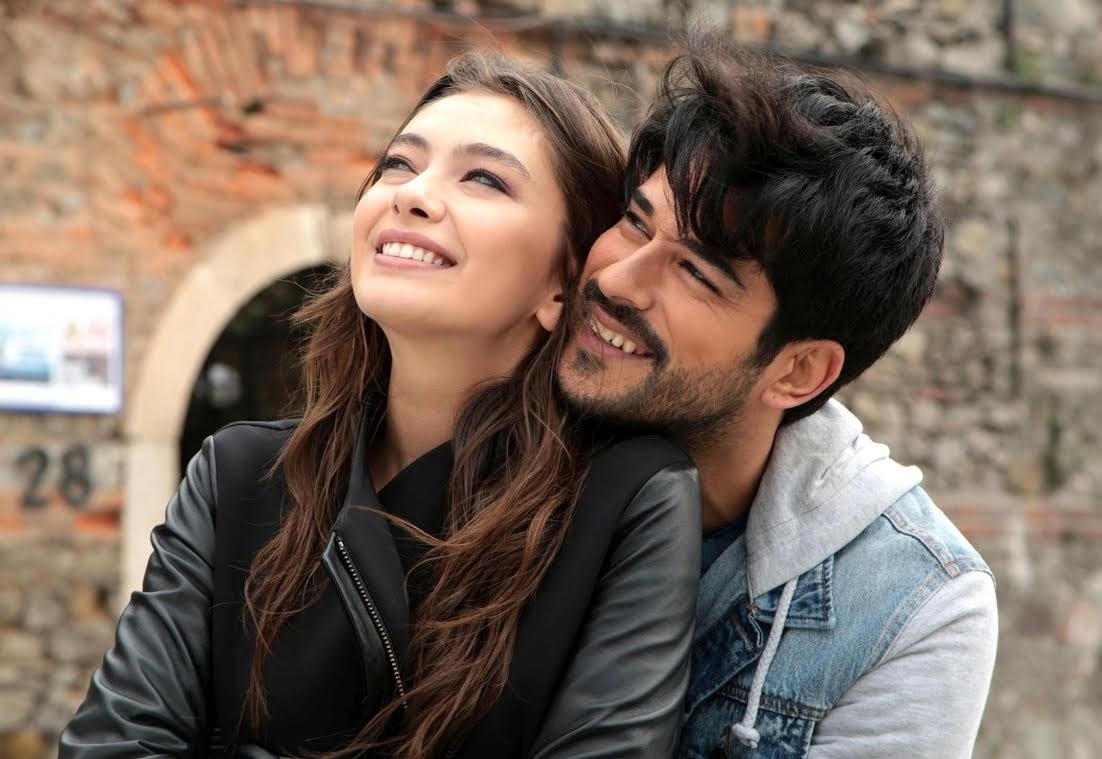
The Family — Devin & Aslan
Premature intimacy creates an intensity the relationship cannot sustain. This kiss triggers control and power dynamics rather than connection. It arrives before trust, which means desire fills the space where safety should have been, and that imbalance defines everything that follows.

Daydreamer — Sanem & Can
A kiss built on uncertainty, where desire exists before clarity. Projection replaces reality here — both characters are responding to a version of the other they’ve constructed, not quite the person in front of them. The kiss is real; the understanding isn’t yet.

Love Is In The Air — Eda & Serkan
A performed relationship collapses into something real. The kiss marks the failure of structure — the point where the arrangement they agreed to can no longer contain what’s actually happening between them. Fiction cracks open, and what spills out is genuine.

Brave and Beautiful — Cesur & Sühan
This kiss exposes the thin line between hostility and attraction, and then refuses to respect it. Love seeps into revenge, contaminating both emotions until neither can function cleanly. The danger here is not the desire itself, but the fact that it makes the revenge feel more justified and hollow at the same time.
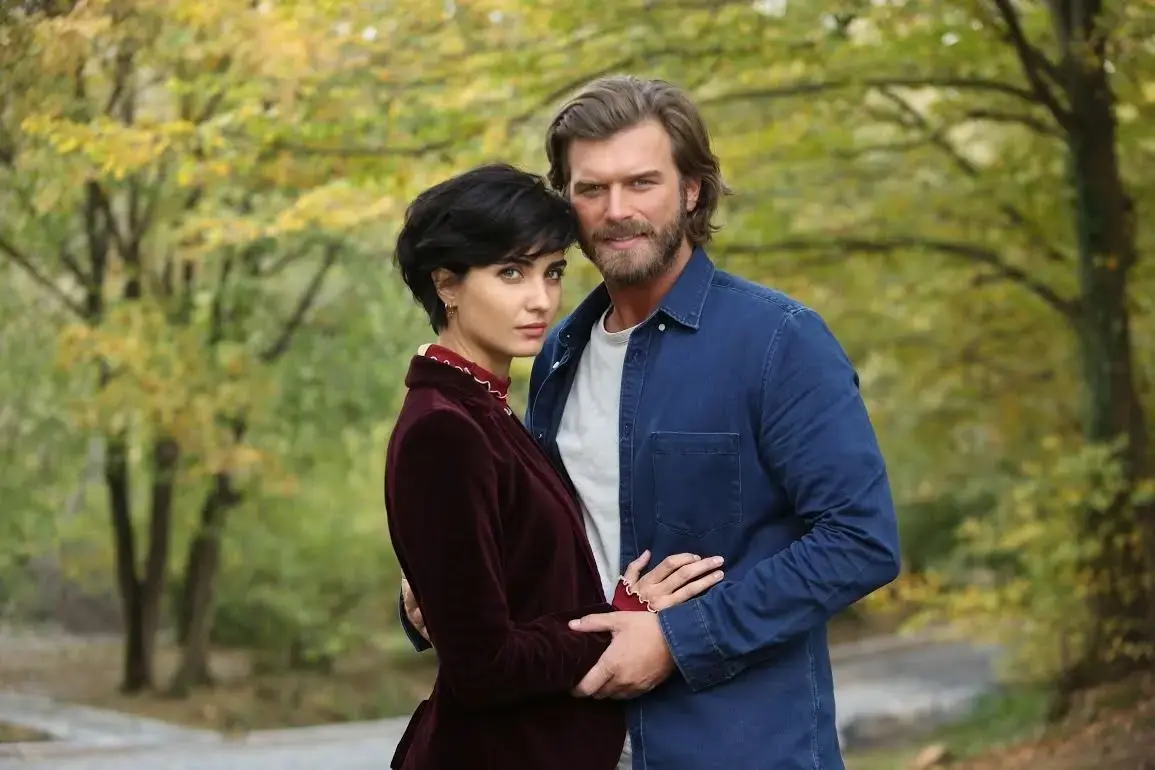
We’ll Be Fine — The Reconciliation Kiss (The Beginning of the End)
This kiss is a form of denial. The characters are not kissing reality, but possibility — what they wish were still true, pressed into a gesture. It reads as reconciliation but functions as avoidance. And that is precisely what makes it so devastating: the tenderness is genuine, and it changes nothing. This is not a scene about coming back together. It is the moment the collapse becomes inevitable — they just don’t know it yet.

Fasten Your Seatbelt: You Are Crossing a Line
The most powerful kisses are not the ones that fulfill expectation. They distort it.
They arrive too early, too late, or under the wrong conditions. And in doing so, they rewrite the trajectory of the story itself.
We rarely remember a kiss for its perfection. We remember it for the moment it altered something we hadn’t yet named.
A brief contact, almost accidental — and suddenly the rhythm shifts. What was distant becomes possible. What was stable begins to move.
Not because the kiss itself holds that much power. But because it reveals something that was already there, waiting.
A recognition. A risk. A quiet agreement to step beyond where we were.
And once that step is taken, even if everything appears unchanged, the story has already bent.