




When summer series are mentioned, most of us think of similar stories. Romantic comedies, misunderstandings, characters carrying the warm energy of summer, and narratives far from high dramatic tension…
For many years, this was the common language of the summer season. This season, however, Different Lives and Love Probably are stepping outside this familiar line. Even though both series are on the summer screen, with their dramatic structures and character worlds, they show this trend in the clearest way by feeding on the narrative codes of the winter season.
Familiar Winter Stories
At first glance, the two series look quite different from each other. One is a neighborhood story about class struggle through football, the other is a love story moving in a romantic comedy tone. However, when looking at the dynamics forming the foundation of their narratives, a common trend emerges.
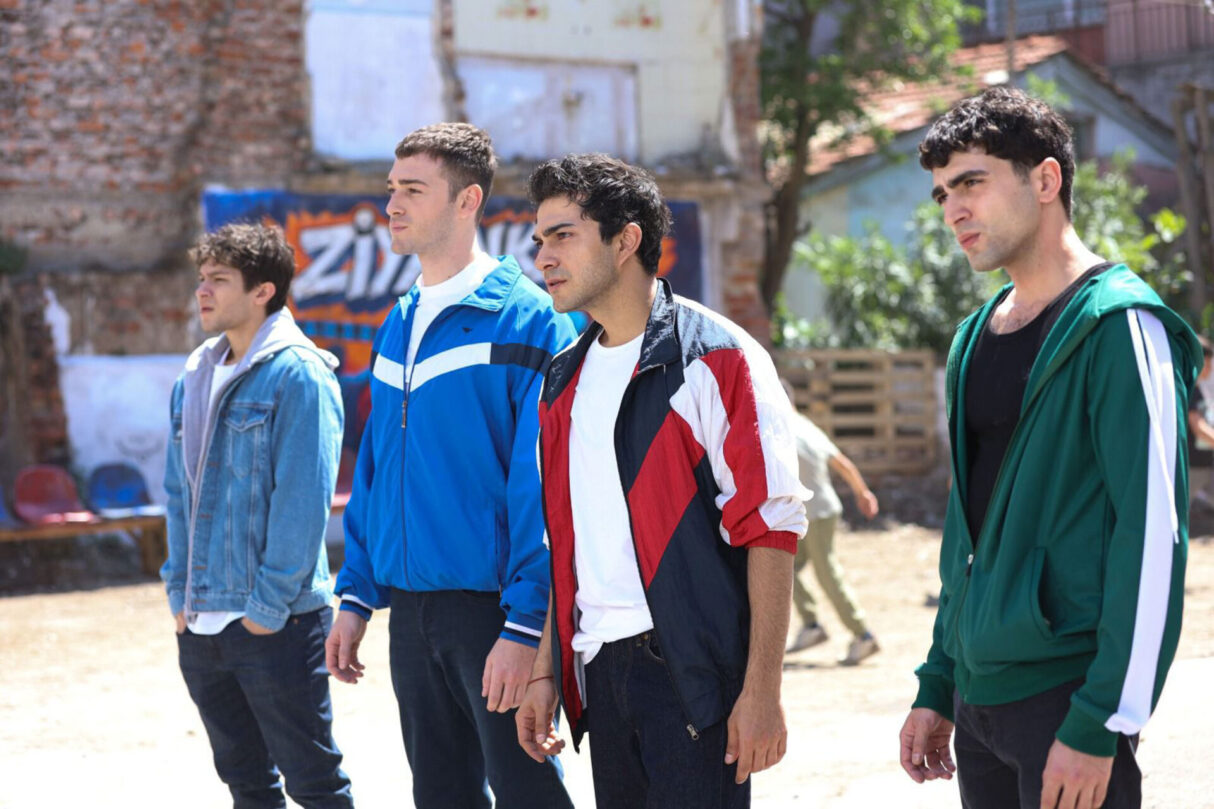
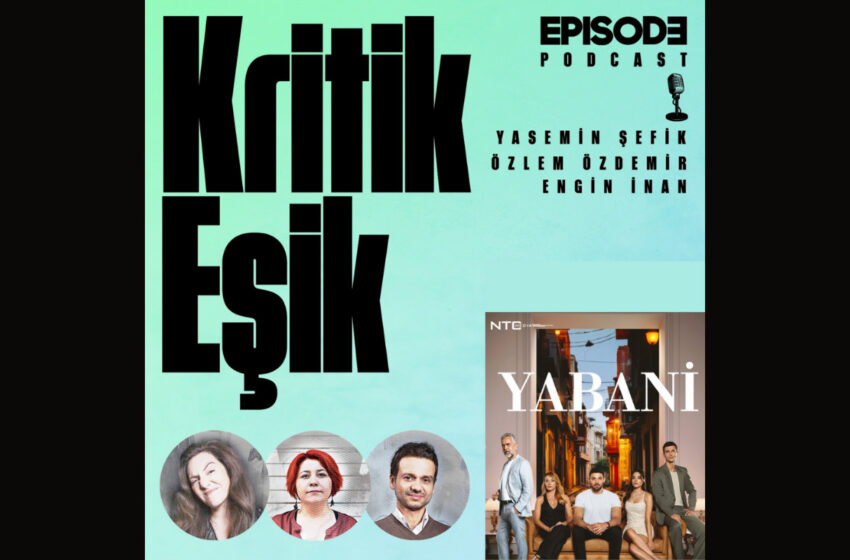
Different Lives, in its very first episode, leaves its audience inside a great loss. The tragedy experienced by Emir and his family is not just an individual pain; it becomes the breaking point that determines the entire conflict of the story. Then, a dramatic world is built moving through neighborhood culture, class division, money, power, betrayal, and family bonds. Football here is not just a sport; it becomes the symbol of escaping poverty, jumping social classes, and the desire to change one’s fate. This structure reminds us of the narrative backbone of the big dramas we have been watching in the winter season for years.
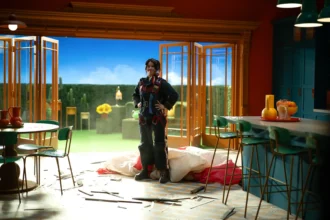
Love Probably, on the other hand, stands like a classic romantic comedy at first glance. Two different men enter the life of Defne, a young lawyer at the very beginning of her career, and the story shapes around a love triangle. However, the actual point where the series differentiates is the character of Kadir. Instead of an urban, flawless romantic man; we watch a character who carries the culture of the geography he was born in, his way of speaking, and his family bonds on him. The eastern-tribe themed dramatic structure, which we frequently encounter in Turkish series during the winter season, leaks into the romantic comedy along with Kadir’s story.
In fact, what both series are doing is the same. They do not completely abandon the light and romantic structure of the summer series; they preserve the expected emotional tone of the genre. However, beneath this surface, they place harsher conflict areas that we frequently see in winter season dramas. Thus, the story stops being just a love narrative and transforms into a multi-layered structure expanding through family, class, and the past.
This trend is not limited to these two productions only. Although not as prominent as in Different Lives and Love Probably, the intersection of two lovers years later in Nature of Love, and a lost sibling story being at the center of the narrative in Torn Apart show a similar dramatic expansion trend.
Transformation
In past seasons, we could hardly feel the summer vibe at all. Parallel to this, the shift occurring in broadcasting schedules results in series starting in the summer turning into long-term narratives that mostly overflow into the winter months. Thus, the concept of “summer series” stops being just a seasonal category and evolves into a more flexible structure.
This situation might also be a reflection of the change in the television industry. While the audience’s story expectation transforms with the impact of digital platforms, it is no longer considered enough for summer series to be just “light.” Channels tend to establish stronger dramatic universes that can keep the audience on the screen for weeks during the summer season as well. For this reason, the boundary between summer series and winter series is becoming increasingly blurred, and genres are evolving into a structure approaching one another. Summer series no longer just tell the story of summer.