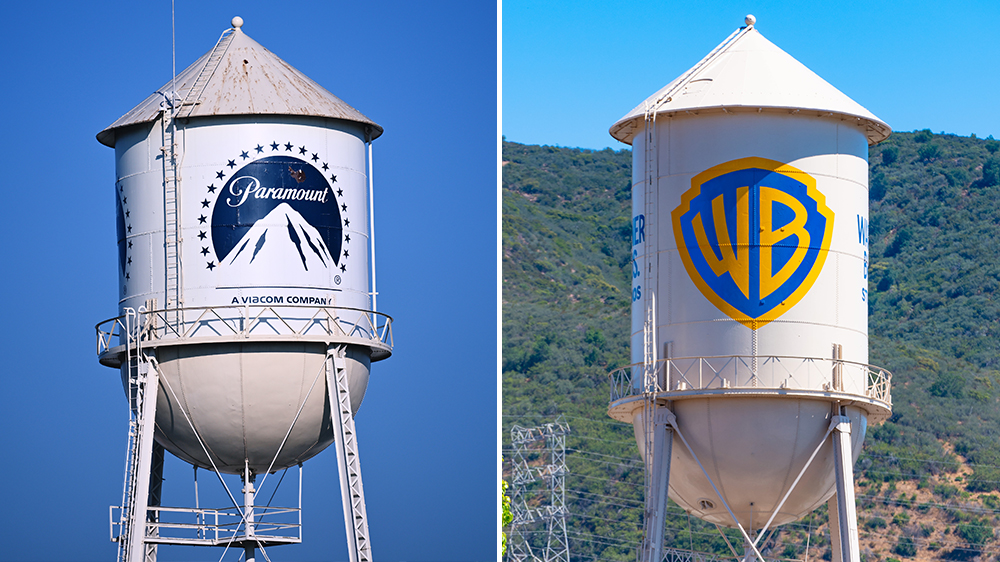




A US federal court has temporarily blocked the proposed $110 billion merger between Paramount Skydance and Warner Bros. Discovery, delaying one of the biggest media deals in recent years while legal challenges move forward.
US District Judge Araceli Martínez-Olguín issued a 14-day temporary restraining order, preventing the companies from finalizing the transaction or beginning the integration process. The ruling follows a lawsuit filed by a coalition of 12 US states, led by California and New York, which argues that the merger would significantly reduce competition across the entertainment industry.
According to the states, combining two of Hollywood’s largest studios would negatively affect movie theaters, cable distributors and, ultimately, audiences by reducing competition and increasing market concentration. The judge noted that the lawsuit raises “serious questions” about the merger’s impact on film distribution, adding that allowing the deal to proceed before a final decision could make it “extraordinarily difficult to unscramble the egg” if the court later decides to block it permanently.
Paramount and Warner Bros. Discovery rejected the claims, arguing that the states have misinterpreted today’s entertainment market. The companies maintain that the merger would strengthen their streaming business and improve their ability to compete in an increasingly challenging media landscape.
While the transaction has hit a legal obstacle in the United States, it has received conditional approval from the European Commission. EU regulators cleared the deal after Paramount agreed to end its European film distribution partnership with Universal Pictures within 13 months and committed not to enter a similar co-distribution agreement in the European Economic Area for the next 10 years.
The merger, originally valued at approximately $110 billion (£85 billion), would unite two of Hollywood’s most iconic studios and bring franchises including Harry Potter, Batman, Mission: Impossible and Top Gun under the same corporate umbrella, alongside television brands such as CNN, MTV and Nickelodeon.
The deal also faces opposition from the Writers Guild of America (WGA), which has warned that the combined company could gain excessive leverage over writers’ wages and employment opportunities. UK regulators are also reviewing the transaction over concerns about its potential impact on news, children’s programming and streaming competition.
A US court hearing is scheduled for August, when the court will consider whether the temporary pause should be extended while the broader antitrust case proceeds.