



Originally published in Episode Magazine’s June issue, Eda Akça explores the changing face of summer television through Nature of Love.
The Stories We’ve Grown Used To
Romantic comedies and summer series have long followed an unspoken set of rules. Male characters are typically self-assured, arrogant, dismissive of the women around them, and convinced they always know what is best for them. Female characters, on the other hand, are often portrayed as more emotional, compassionate, and gentle—as if they must remain within certain boundaries in order to be loved and accepted.
Despite this, audiences tend to perceive male characters as charismatic, attractive, and unattainable. Yet when a female character displays the very same traits, charisma is quickly redefined as arrogance, confidence becomes conceit, and she is not only criticized but often judged on whether she even deserves love.

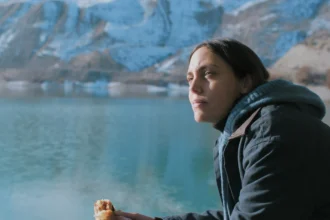
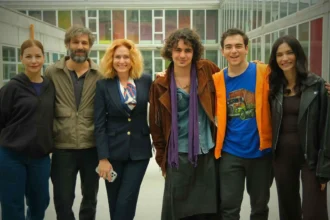
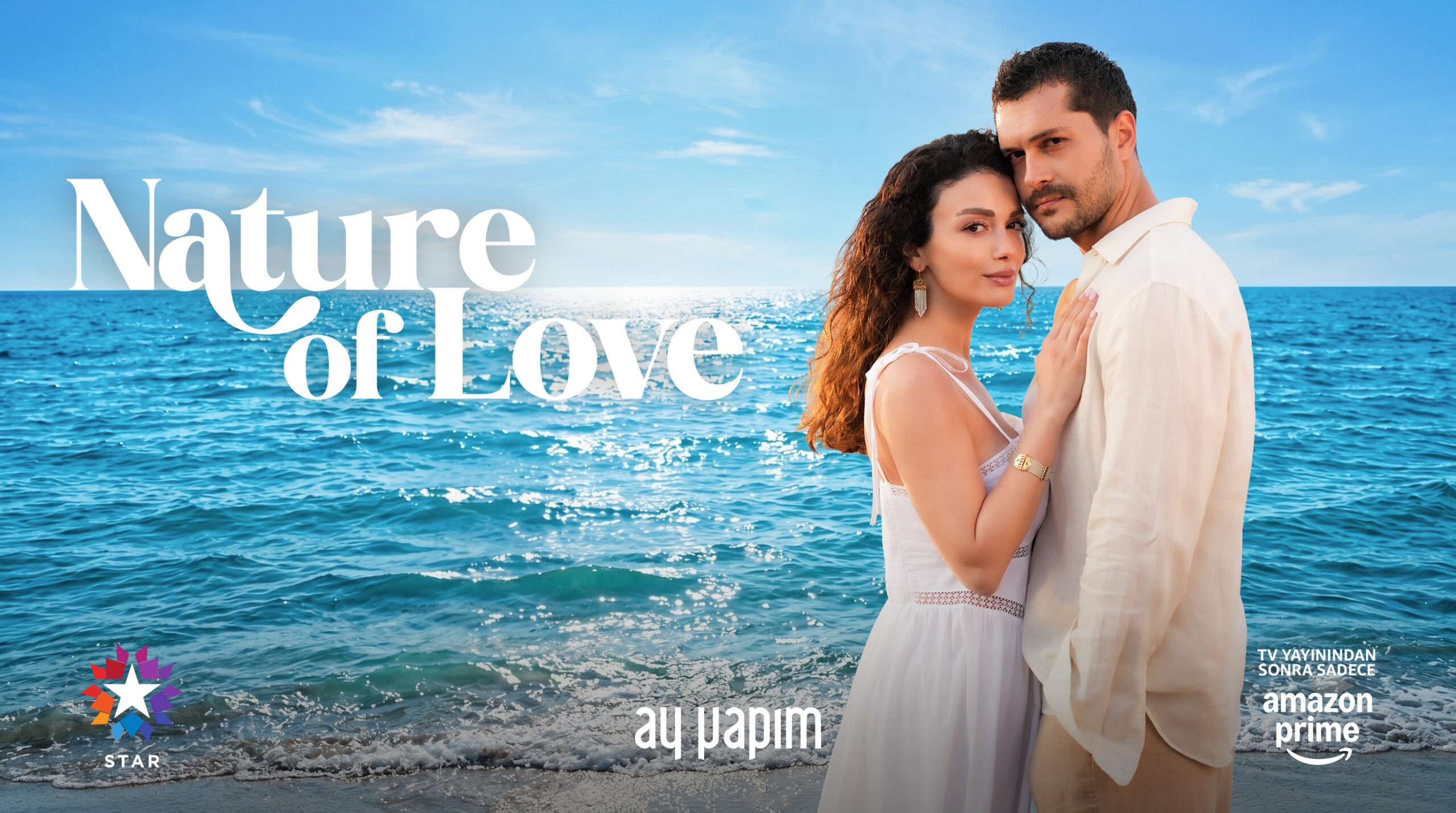
At first glance, Nature of Love turns this familiar equation upside down. Starring Özge Yağız and Alperen Duymaz, the series centers on Doğa and Yaman. The two first cross paths years earlier during a job interview that ends badly, after which they go their separate ways. However, Doğa’s judgment of Yaman and her dismissive attitude toward him end up shaping not only their relationship but, without her realizing it, Yaman’s life as well. Years later, fate brings them together once again—this time in Urla. What unfolds becomes more than a love story; it transforms into a journey about prejudice, first impressions, and the possibility that people can truly change.
The premise itself is familiar: two people who meet at the wrong time finding each other again years later. What makes Nature of Love compelling, however, is not the story itself but the character dynamics through which it is told. Doğa is unlike the female leads we are accustomed to seeing. At times she is arrogant, at others hurtful. She is confident enough to believe she knows what is best for the people around her. When behaviors we have long accepted in male protagonists are embodied by a woman instead, the series invites us to reconsider how differently we interpret them.
Doğa’s Law
Many of Doğa’s actions are certainly open to criticism. If she were my friend in real life, I would probably want her to change some of her behavior. But what defines a compelling character is not perfection. Quite the opposite—more often than not, it is their flaws that make them interesting.
On television, the flaws of male characters are generally accepted as a natural part of the narrative. Their anger, arrogance, poor decisions, or selfishness rarely make them any less compelling. In fact, these imperfections often become the very foundation of who they are. The same space, however, is rarely granted to female characters. They are expected not only to be loved but also to earn that love.
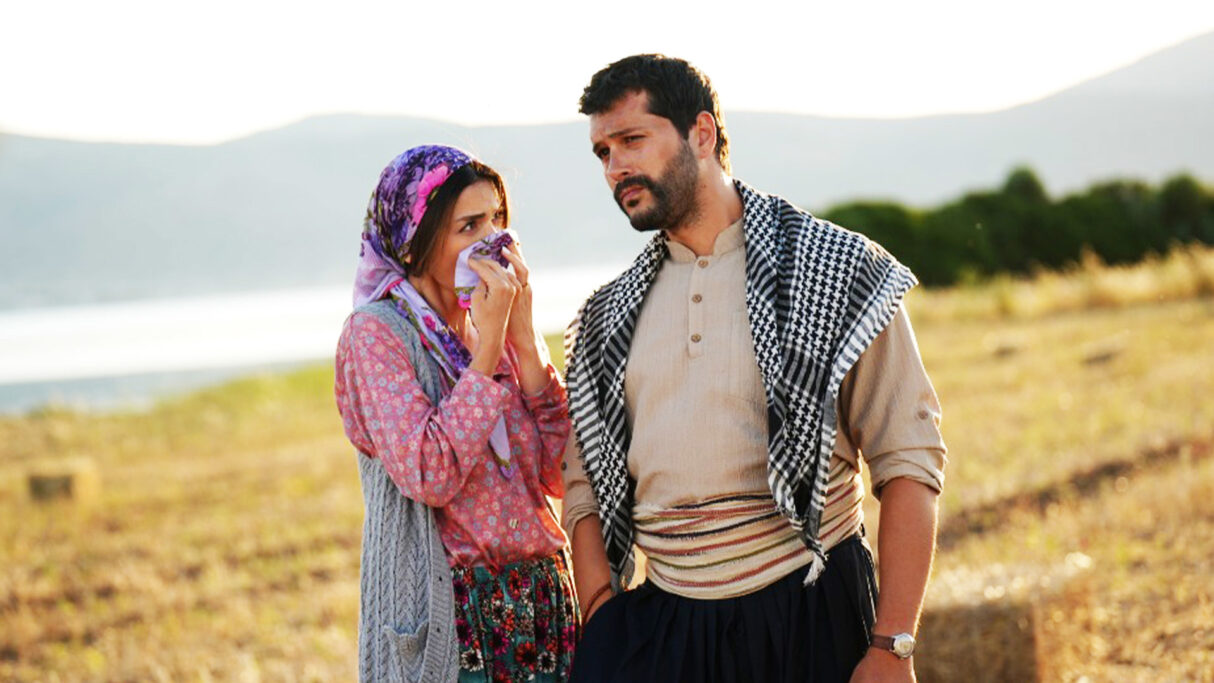
This is precisely why one of Nature of Love‘s most intriguing—and perhaps most hopeful—creative choices is its refusal to soften Doğa. Rather than reshaping her into a more likable, more understanding, or more conventionally sympathetic heroine, the series keeps her firmly at the center of the story, flaws and all.
Returning to One’s Own Nature
Directed by Ali Bilgin and Beste Sultan Kasapoğulları, Nature of Love pursues this transformation through the world it creates as well. The setting of Urla becomes an extension of that journey. Moving away from the speed and competitiveness of Istanbul, the story gradually reshapes itself within nature. Yet the “nature” referenced in the title extends far beyond trees, the sea, or Urla’s landscapes. Instead of telling another city-centered romance, the series places its characters within nature while ultimately exploring something far more profound: the impossibility of escaping one’s own nature.
Both Yaman and Doğa attempt to outrun their pasts, their prejudices, and their emotional wounds. Yet just as nature follows its own immutable laws, people possess parts of themselves that cannot be easily changed. The story is built upon this very idea. Perhaps this is where Nature of Love ultimately finds its true meaning. Yaman and Doğa’s journey is not only about finding each other but also about finding themselves. Because sometimes change is not about becoming someone else—it is about confronting your own nature.
And that is exactly why Doğa’s flaws become one of the series’ greatest strengths. What makes her meaningful is neither her gender nor her imperfections, but her humanity—with all her pride, mistakes, prejudices, and her capacity to change.