



Central European Media Enterprises (CME) is embracing artificial intelligence as a way to strengthen local content production and compete more effectively with global streaming giants, according to CEO Samuel Barnett.
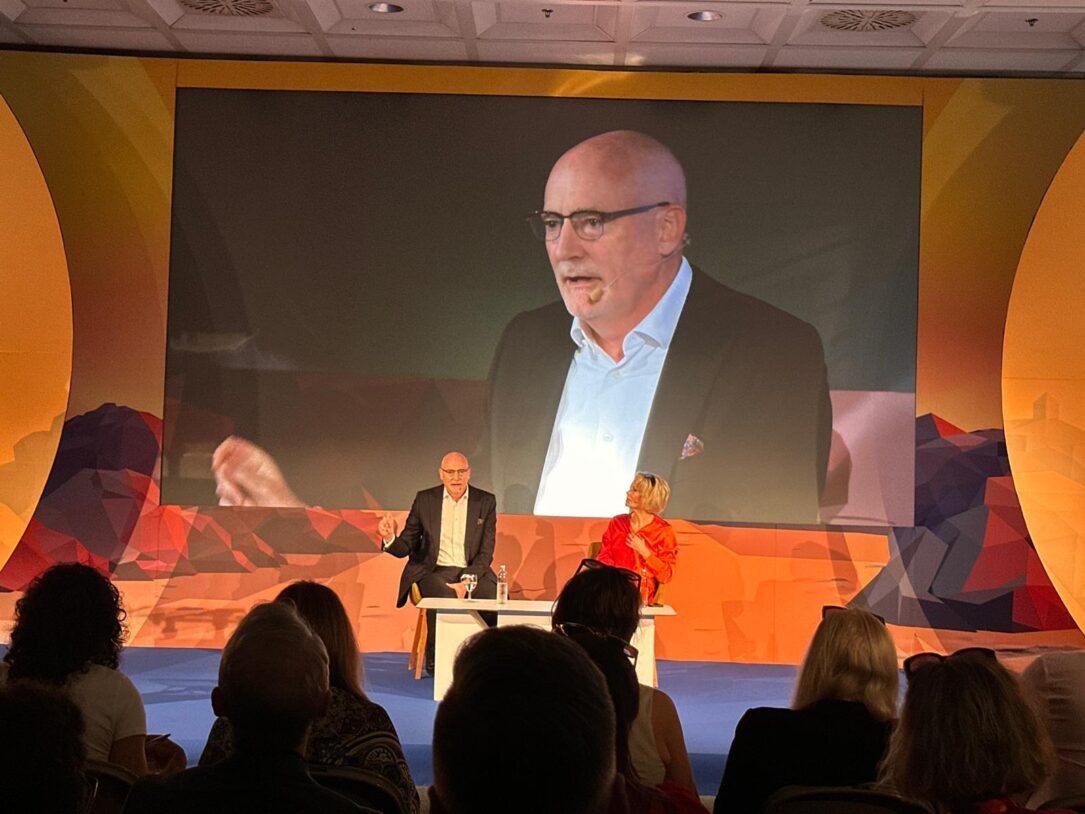
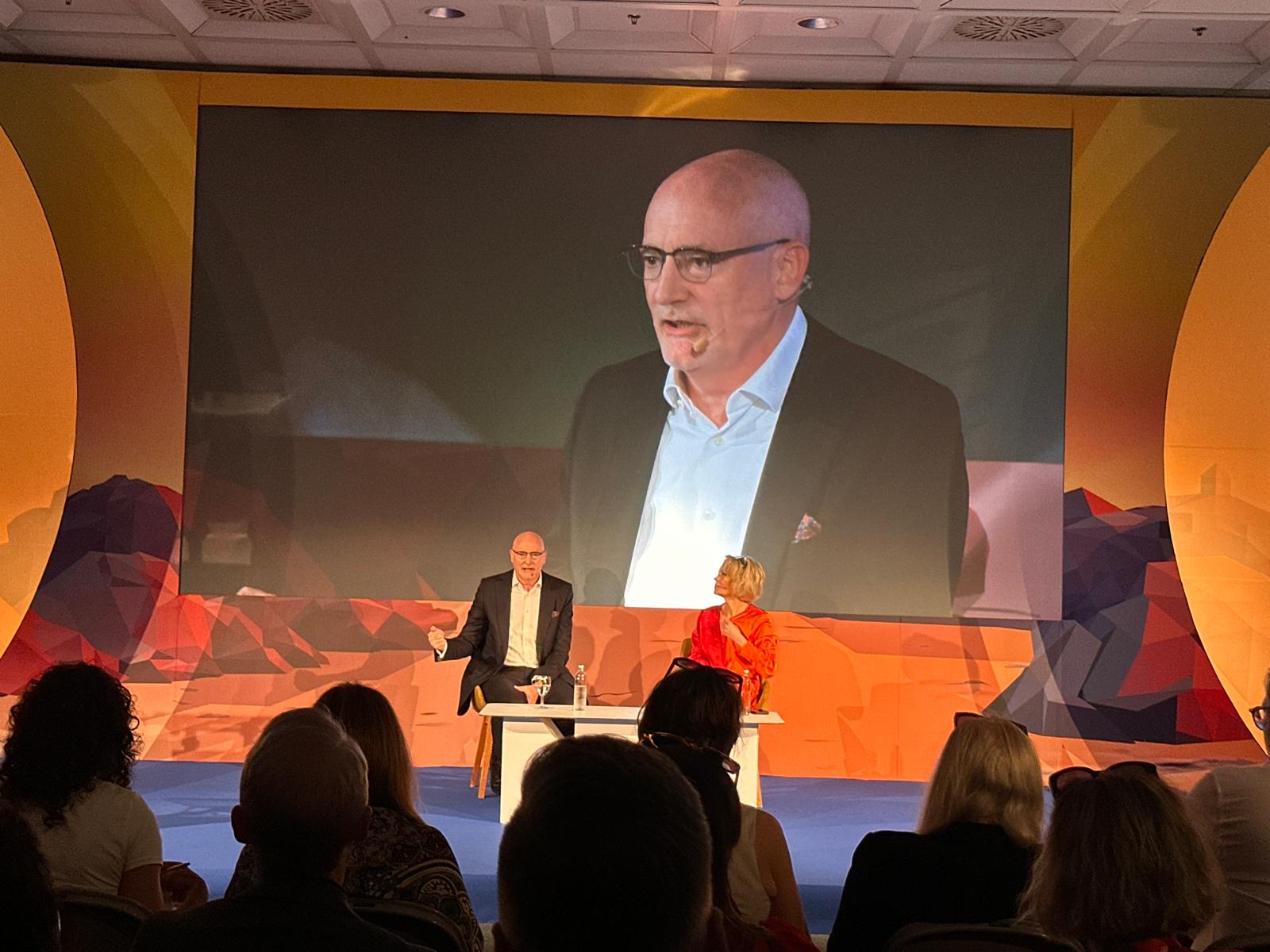
Speaking during a panel moderated by BBC News presenter Kasia Madera at NEM Dubrovnik, Barnett said CME continues to invest heavily in local production teams while also supporting independent producers across its markets.
“We want to have in-house talent, but equally, we want to support the local production industry,” Barnett explained. “The more we can work with local producers, the more creativity and innovation we get.”
Barnett believes AI presents a significant opportunity for local broadcasters facing increasing competition from platforms such as Netflix and YouTube. Rather than using the technology primarily as a cost-cutting tool, CME is focusing on improving production value.
“If we have a scripted drama with a budget of €100,000 per episode, one approach would be to say, ‘Now make it for €75,000 because you have AI,’” Barnett said. “We haven’t taken that approach. We’ve said, ‘Take the €100,000 and make it look like a €200,000 episode.’”
According to Barnett, AI-generated visual effects and enhanced scenes can help local productions achieve a more ambitious scale without dramatically increasing budgets.
The company has already begun experimenting with AI-assisted production workflows through a team based in Romania, where CME has invested in advanced NVIDIA-powered infrastructure. Specialists across different markets are testing new tools, sharing results, and comparing approaches.
“We have the advantage of scale economies,” Barnett said. “We can compare and share what works across markets.”
The broadcaster’s first applications have focused on visual effects. Barnett cited the example of a Czech hospital drama, where budget pressures had previously forced producers to eliminate scenes involving ambulances arriving at hospitals.
“Quite frankly, we couldn’t afford to hire an ambulance every time,” he said. “Now, with AI, we can create an AI ambulance, show the stretcher coming out, and suddenly the flow of the story works slightly better.”
While acknowledging that such additions may not be transformative on their own, Barnett argued that the cumulative impact of AI tools could significantly enhance storytelling and production quality.
Looking ahead, CME is encouraging its creative teams to think beyond incremental improvements and explore projects that would previously have been impossible to produce.
“I’ve said to our executives: over the next few years, dream of something that today you could not do,” Barnett said. “Whether that’s a feature film in AI, a fantasy series, or a genre project that would normally be out of reach, let’s start working on it.”
Although he acknowledged that not every experiment will succeed, Barnett believes the process itself will unlock new creative possibilities for local content creators.
“That journey will generate all sorts of interesting ideas and innovations,” he said. “I think it will ultimately help transform and strengthen local content.”