



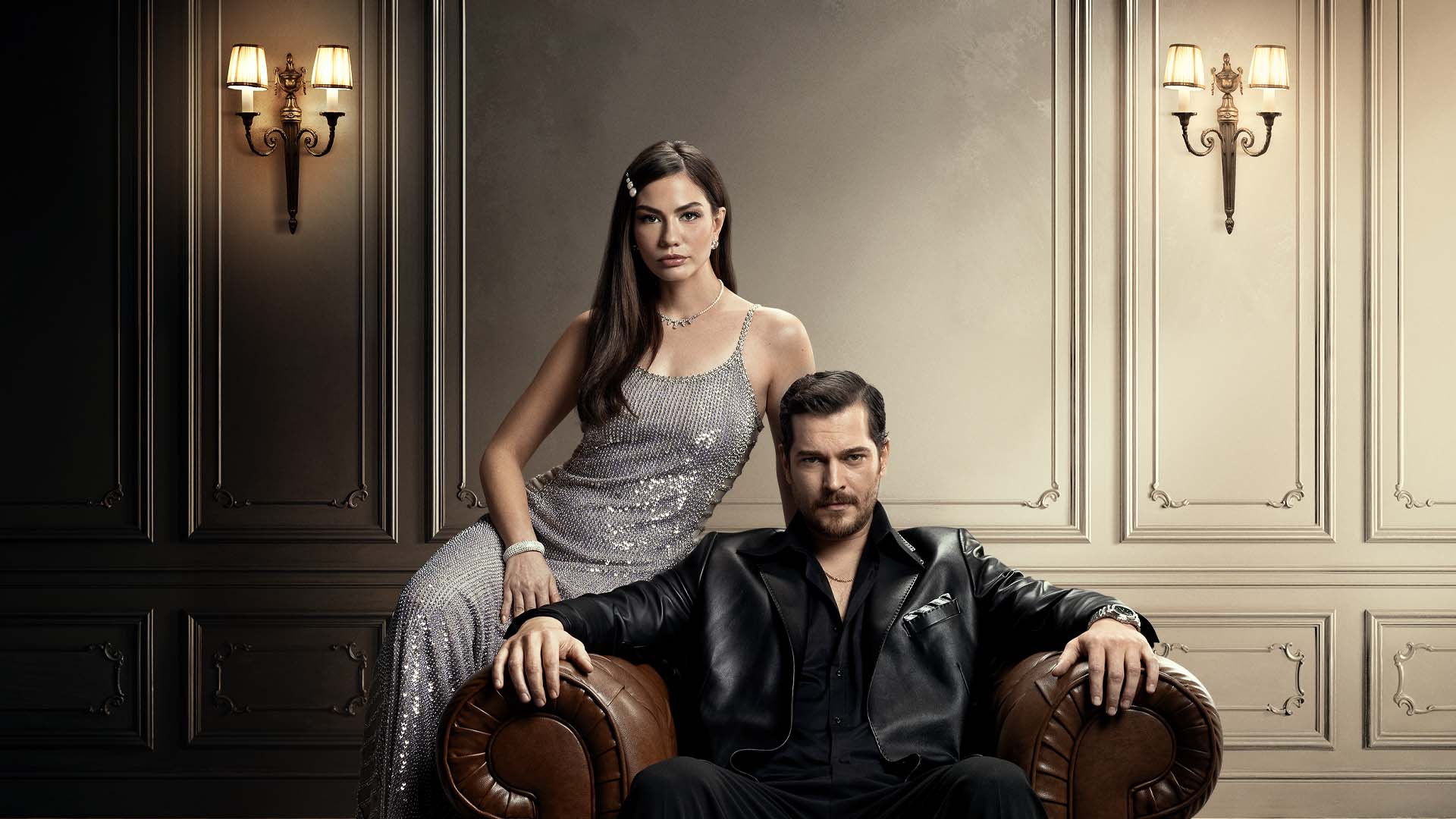
For our NEM Dubrovnik 2026 issue, Cengizhan Özcan took a one last look at Eshref Ruya.
It is no longer enough to read a series solely through “what it tells.” Because the era has changed; as much as the narrative itself, the face, the voice, the gaps, and even the silence of the narrative are being watched. While the camera records a scene, it actually captures not just the event, but how a feeling is carried. That is why some projects start to be talked about the very moment they are announced; independent of the content, they begin to generate an expectation.
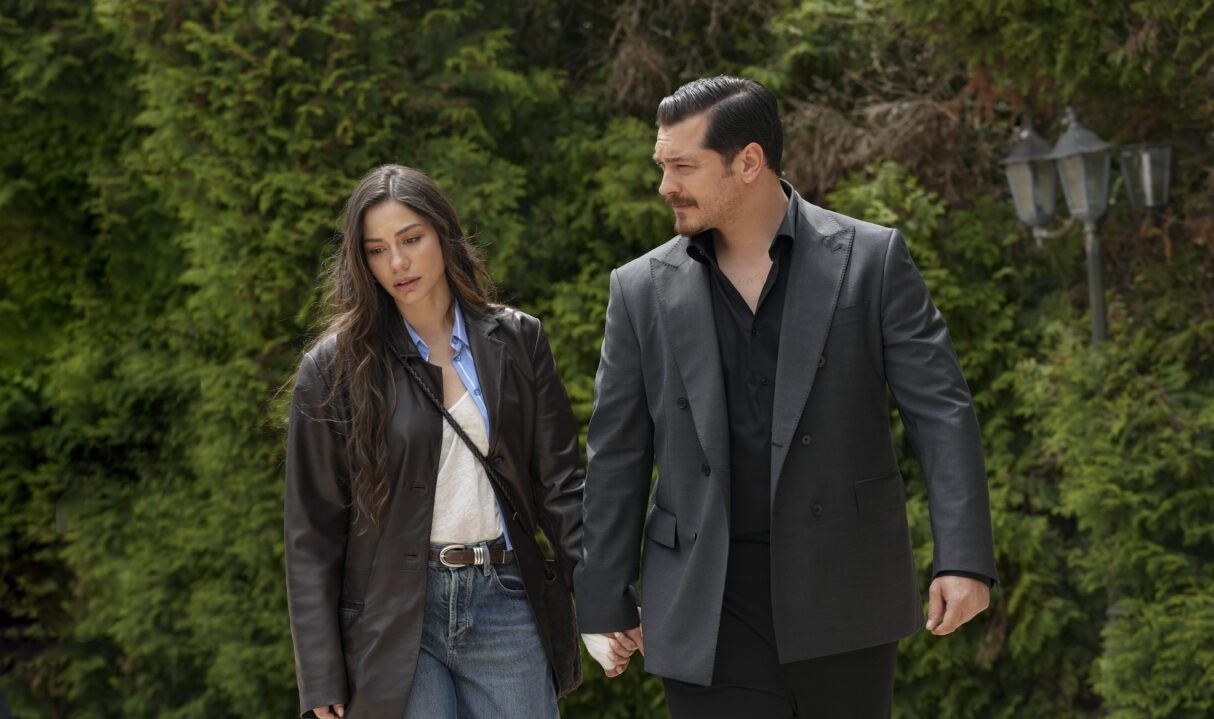
Eshref Ruya is precisely one of those works standing in this zone of expectation. Even before fully meeting the screen, the coming together of two powerful actors has created a curiosity that supersedes the story. When Demet Özdemir and Çağatay Ulusoy share the same scene, what emerges is not just a fiction; it is a relationship map that has already begun to complete itself in the mind of the audience.
The main issue here is not the script. It is the kind of world the script settles into.
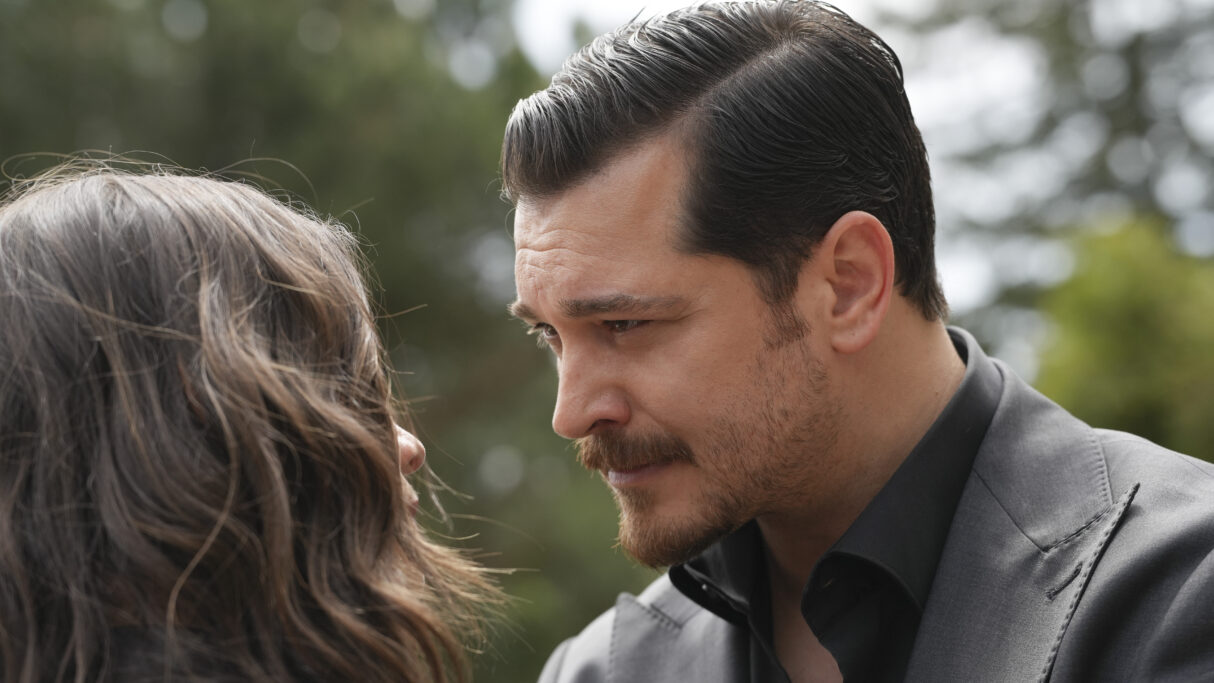
THE NEW BALANCE FORMING ON SCREEN: THE COLLISION OF TWO DIFFERENT RHYTHMS
Some actors enter the stage, some fill the stage. The meeting of Demet Özdemir and Çağatay Ulusoy in the same project can be read as these two different forms of existence coming side by side.
What is felt in Demet Özdemir’s acting possesses a more open flow: an energy that does not hide the emotion, brings the inner world to the surface, and establishes direct contact with the audience. Çağatay Ulusoy, on the other hand, is the representative of a more closed narrative; a style that brings emotion into existence without showing it, generating meaning by leaving gaps.
When these two approaches enter the same story, a single tone does not emerge. On the contrary, a constantly shifting field of tension is formed. While trying to resolve this tension, the audience focuses not on the storyline, but on how the characters touch one another. Therefore, the impact of Eshref Ruya does not stem solely from the plot. The actual gravitational pull is born from two different acting languages challenging each other within the same frame.
THE LAYERS OF THE CITY: MORE THAN A LIVING SPACE
In this type of production, the city is no longer just a backdrop. While the camera shows the city, it actually describes the inner world of the character.
The world in which Eshref Ruya takes place is not a single Istanbul; it consists of different layers of Istanbul superimposed on one another. On one side, streets that preserve their old texture, and on the other, newly constructed, glass-covered structures… There is a constant state of transition between these two worlds. In some scenes, the characters move in narrower, more introverted spaces.
The light is more controlled, the shadows are more distinct. These scenes are seemingly closer to the mental space of the characters. In contrast, in outdoor spaces, the city opens up wider; the sound of traffic, the crowd, and the rhythm escalate.
Here, the image does not just show a location, it also carries the character’s sense of being trapped or liberated. Therefore, the city in the series does not stand outside the narrative; it stands right at its center. In fact, at certain moments, it says more than the characters themselves.
DEMET ÖZDEMİR: THE OPEN FORM OF EMOTION
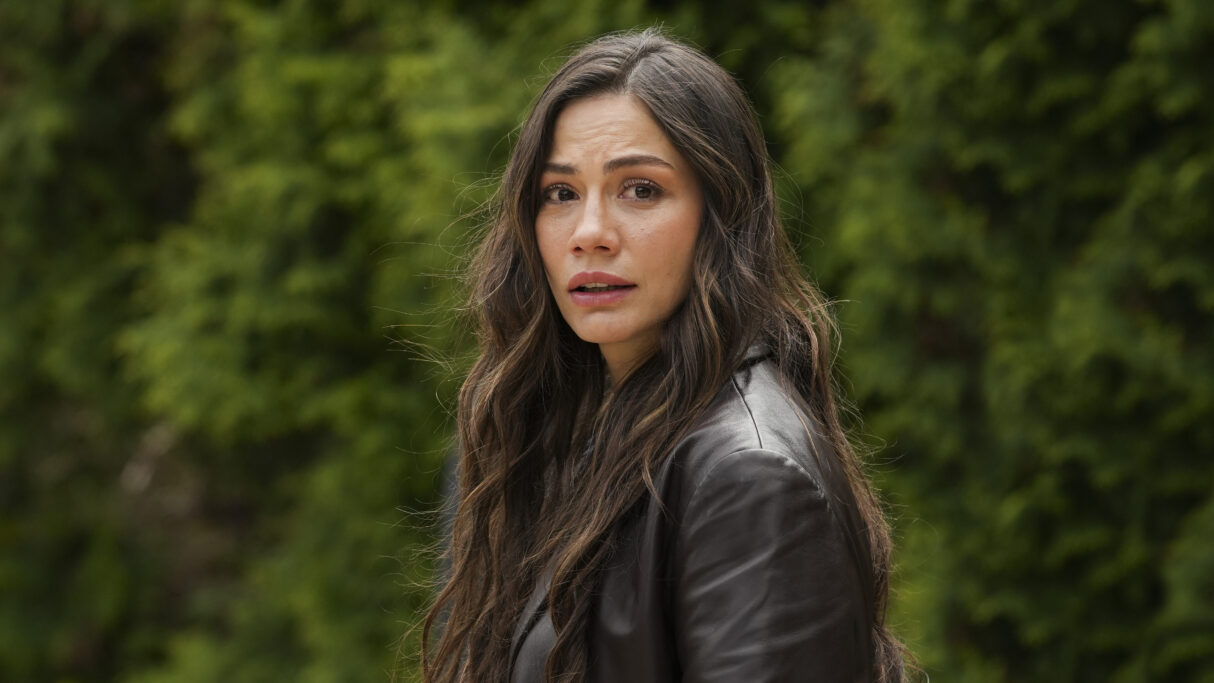
The most prominent feature of Demet Özdemir in front of the screen is not that she overflows the emotion instead of hiding it, but that she delivers it with a controlled openness. Two layers usually operate simultaneously in her characters: one is the visible side, the other is the side that is felt but not fully spoken. This subtle distinction established between the two keeps the character alive.
The character she embodies within Eshref Ruya also moves along this line. It is a structure that does not merely react to events, but rebuilds events from within, adding her own interpretation. This situation removes the character from being one-dimensional and moves them to a more complex area.
Another thing that draws attention in Özdemir’s acting is speed control. She does not stay at the same pace in every scene; she slows down some moments and turns others into an internal explosion. This change in rhythm distances the character from being mechanical.
ÇAĞATAY ULUSOY: THE NARRATIVE POWER OF SILENCE
On Çağatay Ulusoy’s side, the narrative is built with fewer words. His character exists most of the time not by speaking, but by waiting. This approach is an important element that determines the tempo of the story. Because every gap creates a thinking space for the audience. Ulusoy’s character takes shape precisely within these gaps. The duration of the gazes takes the place of a sentence. Silences precede the dialogues. This makes the scenes heavier but more permanent.
Within Eshref Ruya, this character type carries a constant sense of ambiguity at the center of the story. The audience watches not only what he does, but also what he will not do.
VISUAL LANGUAGE AND THE SHIFT IN THE PERCEPTION OF LIFE
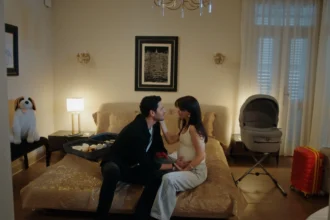
One of the things that makes this structure different is that visual choices transcend ordinary aesthetic concern and turn into a part of the narrative. The design language used in interior spaces directly affects the psychology of the characters. Some spaces have been consciously left more cramped; others have been arranged in a way to amplify the feeling of emptiness.
The height of the ceiling, the angle of the light, the layout of the furniture… None of these are merely decor. Each one alters the emotional direction of the scene. Especially in moments when the characters are left alone, the scale of the space expands and contracts, reconstructing the feeling.
In outdoor spaces, however, the city is left rawer. It is not a polished Istanbul; there is a sense of a city that is lived in, consumed, and constantly changing. This distances the series from a sterile visual world.
THE NEW HABIT OF THE AUDIENCE: FROM STORY TO BOND
Today, the audience no longer just follows the story. They follow how the story feels. How a bond is formed with a character has become just as important as what that character does.
In this sense, Eshref Ruya works less like a classic narrative and more like an experiential space. While watching the scenes, the audience simultaneously watches their own emotional reaction. When Demet Özdemir’s more open emotional language and Çağatay Ulusoy’s more closed narrative combine, what emerges is not a one-way story, but a constantly shifting field of perception.
Eshref Ruya is not merely the meeting of two actors in the same project; it is an example of how different acting languages reshape each other within the same story. The city, the characters, and the narrative are not independent of each other; they establish a structure that complements, and even occasionally intervenes in, one another.
Therefore, rather than offering a single story to the audience, the series opens up different ways of reading. Every scene can be read from another place, every character triggers another emotion. Perhaps that is why watching Eshref Ruya is less like looking at a story and more like changing direction within that story.