

The Middle East and North Africa (MENA) remains one of the strongest markets for Turkish drama, yet its broadcasting landscape is evolving rapidly. As traditional television maintains its influence and regional and global streaming platforms intensify competition, changing audience habits are reshaping distribution windows and episode formats.
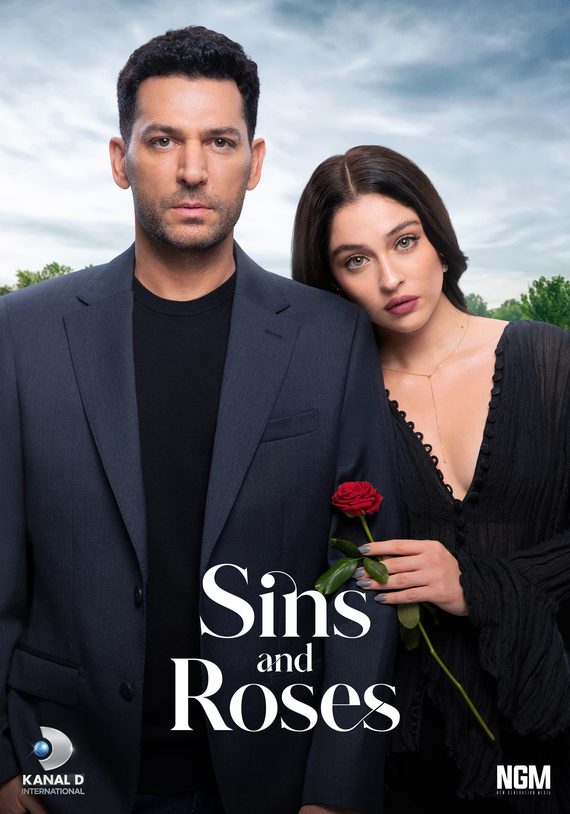
With a rich catalogue featuring new-generation hits such as Torn Apart, Dignity and Sins & Roses, iconic IPs adapted into Arabic, including Time Goes By (Al Marsa) and Mercy, and the launch of Kanal D Drama Arabic, Kanal D International is adapting to this changing landscape.
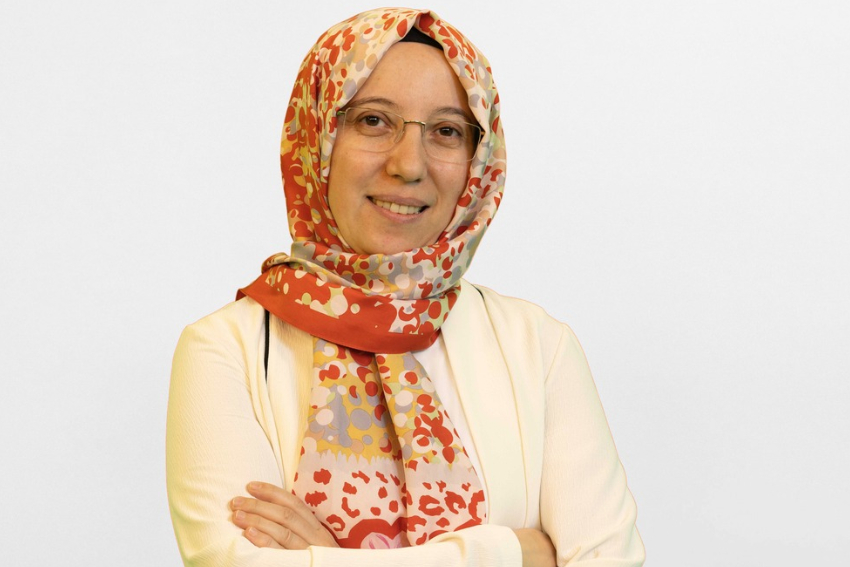
At DICM 2026, we spoke with Elif Tatoğlu, Distribution Strategy & Sales Director at Kanal D International, about shifting buyer expectations, evolving distribution strategies and the company’s outlook for 2027.
MENA audiences watch Turkish dramas across both traditional television and digital platforms, with demand ranging from long-running series to shorter seasonal formats. How are viewing habits and buyer expectations evolving across the region, and how does Kanal D International respond to different requirements for episode length, scheduling and content adaptation?
MENA has always been one of our key markets and we continue to see strong demand for Turkish drama across the region. What I find interesting is that linear television remains very strong, even as digital platforms continue to grow. Rather than replacing one another, they serve different viewing habits and this creates opportunities for us.
Buyers are also becoming more selective. It’s not simply about acquiring a successful Turkish series anymore. They want to know how a title will work for their particular audience, their scheduling needs and their business model. Some broadcasters still prefer long-running dramas that can build audience loyalty over time, while digital platforms may look for different episode structures, faster pacing or more flexible release strategies.
We try to be pragmatic about this. We work with our partners on episode conversions, scheduling, language versions and windowing strategies, depending on the needs of each market. For example, we have worked with both Viu and MBC on Sins & Roses, developing different release windows that allow the title to reach audiences across platforms while respecting each partner’s commercial priorities.
We are also investing in our own distribution opportunities through Kanal D Drama Arabic. With more than 50 Arabic-dubbed series and 4,500 episodes in our library, we have a strong foundation for both linear and on-demand offerings. We see this as an important part of our strategy to reach audiences through different viewing experiences.
Ultimately, I don’t think there is a single formula for MENA anymore. The region is diverse and so are the expectations of our partners. What hasn’t changed is the appetite for strong storytelling. Our job is to make sure we bring the right content to the right audience, in a way that makes commercial sense for everyone involved.
Love, family conflicts and powerful female characters have long been central to the international appeal of Kanal D dramas. As audience expectations evolve across MENA, which themes and character dynamics continue to resonate most strongly? Are you seeing growing interest in different genres or new approaches to storytelling?
Love, family relationships, loyalty and betrayal continue to resonate strongly across MENA. These are universal emotions and have always been at the heart of Turkish drama’s international success. Strong female characters, particularly those with complex personalities and compelling journeys, remain an important part of that appeal.
At the same time, audiences are evolving, particularly younger viewers who have more content choices than ever. They expect faster pacing, fresh characters and stories that capture their attention from the beginning.
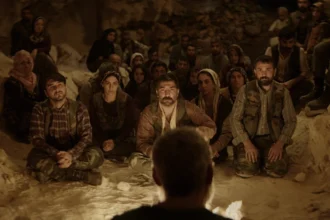
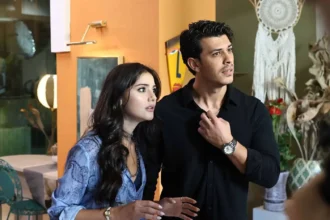
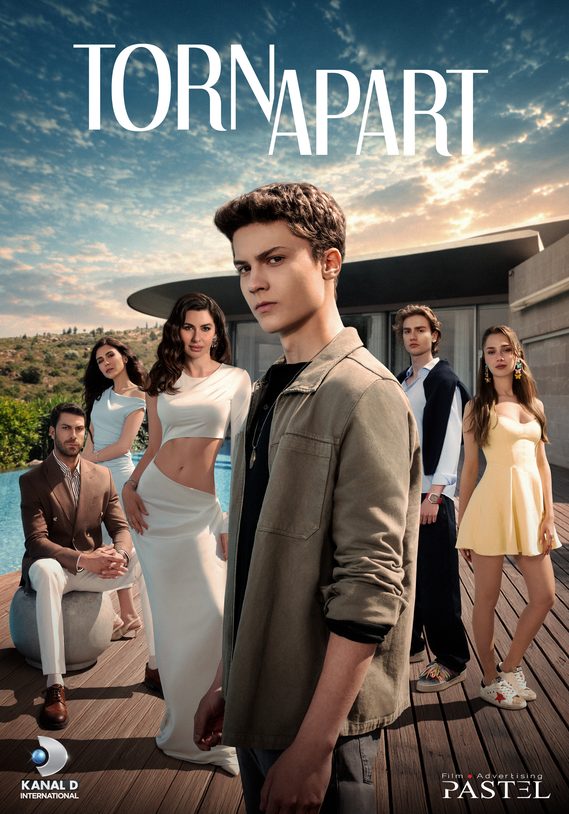
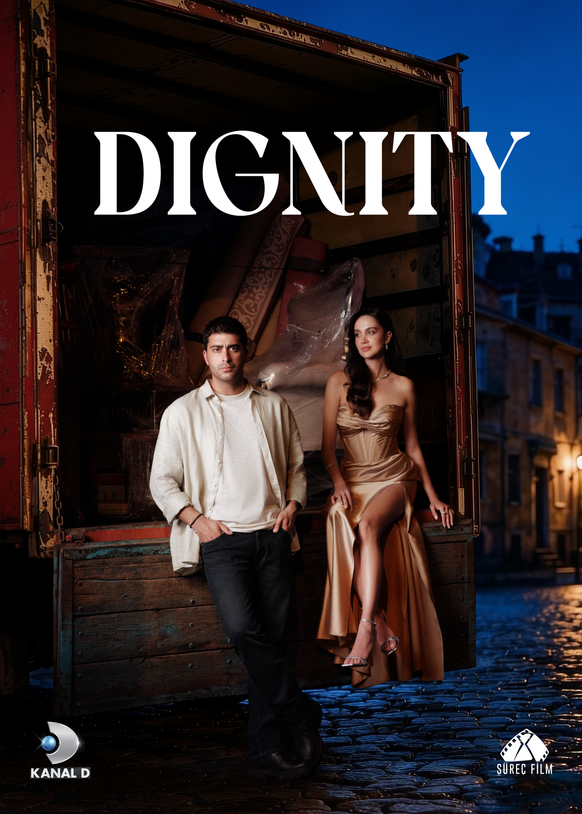
Torn Apart is a great example. It brings a younger cast and fresh energy, while still delivering the love, family conflicts, secrets and revenge that audiences enjoy. Dignity takes a different approach, combining the emotional depth of a classic Turkish drama with contemporary characters and an impossible love story.
I don’t think we need to reinvent Turkish drama. The emotional connection is already there. What matters is finding fresh ways to tell these stories and making sure we continue to appeal to both loyal viewers and new generations.
Your latest titles, Dignity and Torn Apart, bring together recognisable talent, younger characters and emotionally driven stories. How important are cast recognition and star power when introducing these productions to MENA buyers? In the case of Dignity, how are you positioning Mehmet and Simay’s forbidden romance and the conflict between their families for regional audiences?
Cast recognition is certainly important in MENA, where Turkish actors have a strong following. Familiar faces help generate initial interest and give buyers confidence, but we also see how younger talent can bring fresh energy and attract new audiences.
Torn Apart is a good example. Its young cast has created a strong connection with younger viewers, but the family drama, love, secrets and revenge have helped it reach a much broader audience.
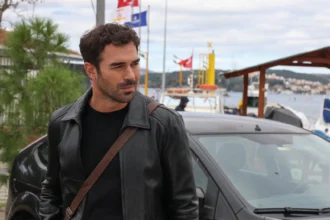
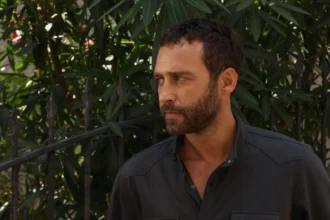
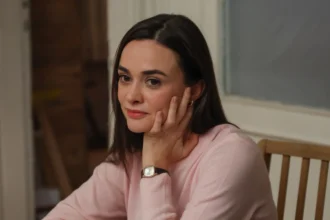
With Dignity, we have a great balance of young talent and established names. Doğukan Güngör and Merih Öztürk bring strong chemistry to the central love story, while Kerem Alışık, Reha Özcan and Nergis Öztürk add depth to the family conflicts.
Mehmet and Simay’s love story is at the heart of the series, but their relationship faces enormous challenges, particularly due to the deep-rooted conflict between their families. This conflict brings in themes of pride, loyalty, class and family values, which we believe will resonate strongly with MENA audiences.
Ultimately, star power helps open doors but it’s the story and the characters that keep audiences watching.
Ramadan remains one of the most competitive periods in the MENA television calendar. How does Kanal D International work with regional broadcasters and streaming platforms to position Turkish dramas during this period? Are you seeing changes in the types of stories, episode packages or scheduling strategies that buyers favour for Ramadan?
Ramadan is a very important period for broadcasters and platforms in MENA but we also need to consider that the Ramadan programming calendar doesn’t necessarily align with the Turkish broadcast season. Local productions naturally take priority during this period, so we don’t position our new Turkish dramas specifically around Ramadan.
However, we continue to work closely with our partners, particularly on library titles and remake opportunities. Our extensive catalogue gives us plenty of options, whether they are looking for proven dramas to complement their schedules or strong stories that can be adapted for local audiences.
For us, it’s about understanding our partners’ programming priorities and finding opportunities to work together, during Ramadan and throughout the year.
Alongside the continued popularity of dubbed Turkish dramas, Arabic-language adaptations have opened up new opportunities for Turkish intellectual property across MENA. How is Kanal D International approaching remake and format rights in the region? Which storytelling elements or types of productions have the strongest potential for successful Arabic-language adaptations?
Formats are becoming an increasingly important part of our business and MENA is definitely one of the regions where we see great potential.
Last year, we already saw a successful adaptation of our title Time Goes By, remade as Al Marsa. I’m also happy to share that another one of our successful IPs, Mercy, will be adapted into Arabic, which is very exciting for us.
For us, the key is the strength of the original story. Family relationships, love, betrayal, social differences and generational conflicts are themes that travel well, but there needs to be enough flexibility for local producers to make the story their own.
We have a very diverse catalogue, from powerful family dramas to romantic stories, giving us plenty of opportunities to explore.
Finished Turkish dramas will always remain an important part of our business, but we see formats as a great way to give our stories new life and build stronger partnerships with local producers and broadcasters.
With major free-to-air broadcasters operating alongside increasingly competitive streaming platforms, distribution strategies across MENA have become more complex. How do you balance exclusivity, first-window and second-window rights when negotiating with regional partners? How has the growth of streaming changed your approach to maximising both the reach and long-term commercial value of your catalogue?
MENA has become a much more dynamic market, with free-to-air broadcasters and streaming platforms both playing important roles. This has made windowing strategies more important than ever.
For fresh titles, particularly those released close to their Turkish broadcast, we are naturally more protective of exclusivity and first-window rights. We need to protect the value of the content and our partners’ investments, especially in a market where piracy remains a challenge.
Sins & Roses is a good example of how we approach this. Viu has the first exclusive streaming window, with episodes becoming available just days after their Turkish broadcast. MBC then follows after Viu’s 30-day exclusivity period, allowing us to reach both digital and linear audiences while protecting the value of each window.
Another important factor is that we can no longer look at Türkiye and international markets separately when it comes to streaming rights. A deal negotiated in Türkiye with a regional or global platform may also have implications for MENA and other territories. So we need to consider the bigger picture, taking into account both local streaming partners and global platforms when structuring our deals.
Beyond the first window, we look at how to extend the commercial life of each title through second windows, digital platforms and our own Kanal D Drama Arabic offering.
Ultimately, our objective is not simply to maximise the value of the first deal, but to build a long-term strategy that balances revenue, reach and the interests of our partners across different markets.
Looking back at 2026, how would you assess Kanal D International’s performance in the MENA region? Which developments have been most significant for your business this year, and what opportunities or strategic priorities will guide your approach to the region in 2027?
2026 has been a strong year for us in MENA, which remains one of our most important and established markets. Our focus has been not only on growing sales but also on expanding our partnerships and finding new ways to bring our content to audiences.
Sins & Roses has definitely been one of the highlights, with strong interest from both linear broadcasters and streaming platforms. Another major success has been Torn Apart, one of the standout Turkish dramas of the year. Its young cast and fresh talent have attracted younger viewers, while the strong family story has connected with a much broader audience. Another important development is Kanal D Drama Arabic. With more than 50 Arabic-dubbed series and 4,500 episodes, we have a strong foundation to grow our presence through both linear and on-demand services.
We are also encouraged by the growing interest in formats. Following the success of Al Marsa, the Arabic adaptation of Time Goes By, we are excited that another one of our IPs, Mercy, will also be adapted into Arabic.
We also see great potential for our evergreen catalogue on streaming platforms. Some of these titles are very familiar to audiences who grew up watching them, but for younger generations, they are completely new stories. Streaming gives us the opportunity to introduce these classics to new viewers and extend their commercial life.
Looking ahead to 2027, we want to further develop Kanal D Drama Arabic, strengthen our partnerships across linear and streaming, and create more opportunities for our formats and evergreen titles. MENA is a market we know well but we believe there is still plenty of room to grow.