


As Episode Magazine, we’re taking a look at Series Mania 2026 with Oben Budak.
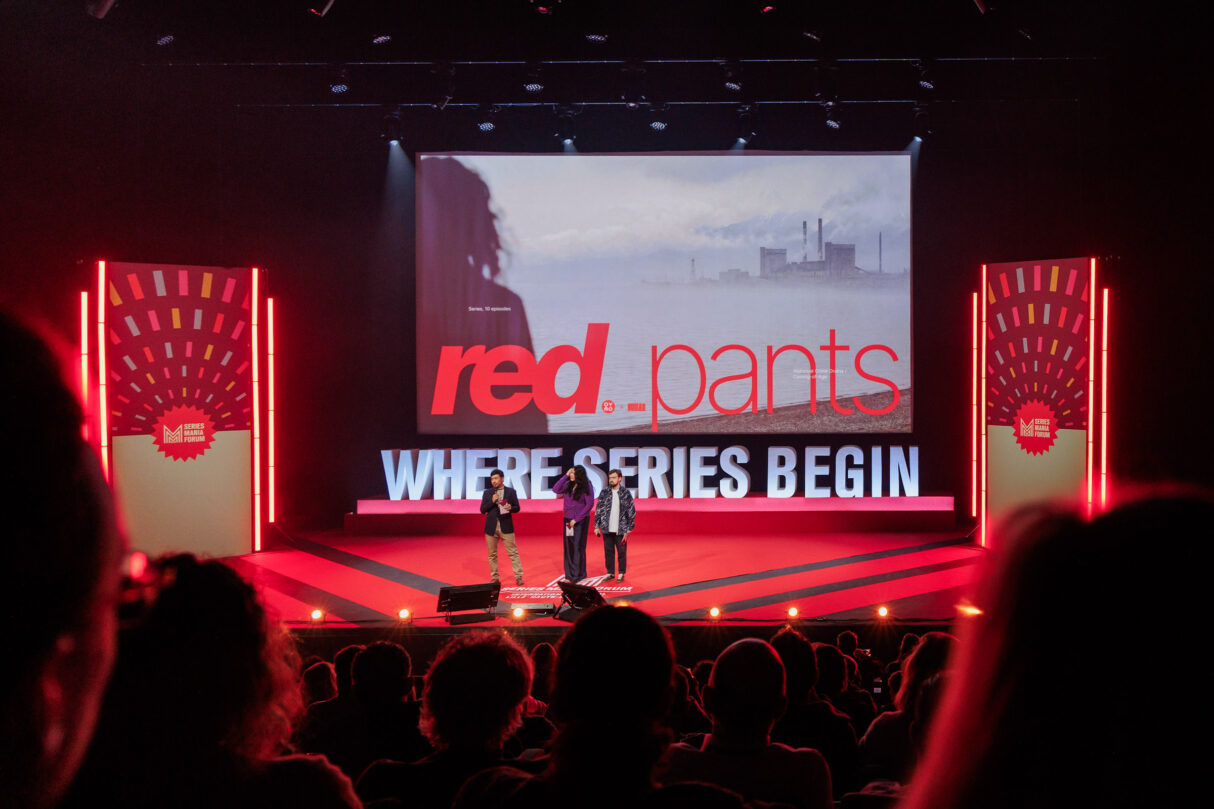
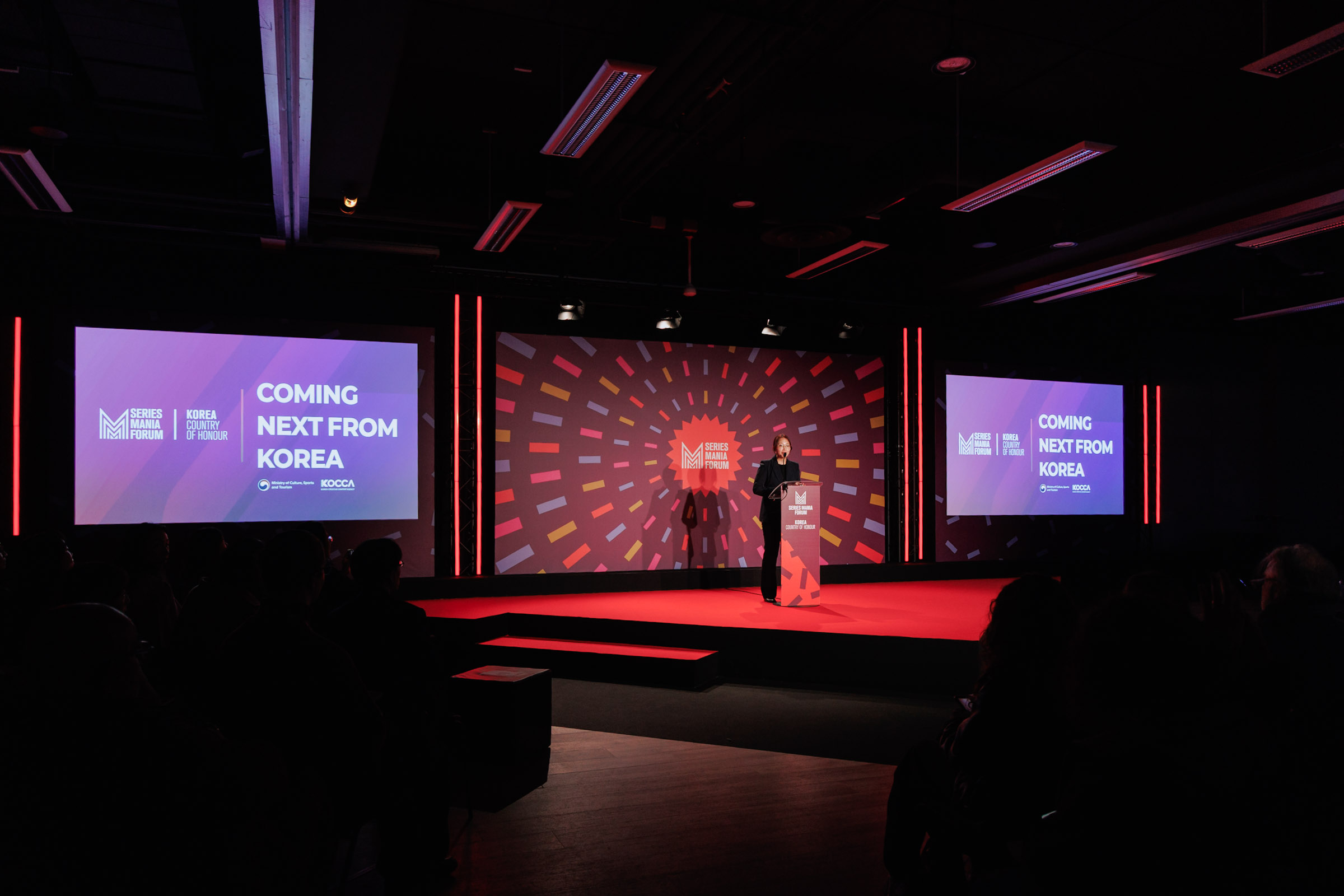
Series Mania Forum, one of Europe’s most significant gatherings for television series, was held once again this year in Lille, France, bringing together key figures from the world of television and digital platforms for three days. Connecting over 5,000 media professionals, screenwriters, producers, buyers, and platform executives from 75 countries, the forum focused on a single country for the first time this year: South Korea, which has become a vital hub for producing series that reach global audiences. With the support of CNC and KOCCA, eight major Korean companies also took their place in Lille.
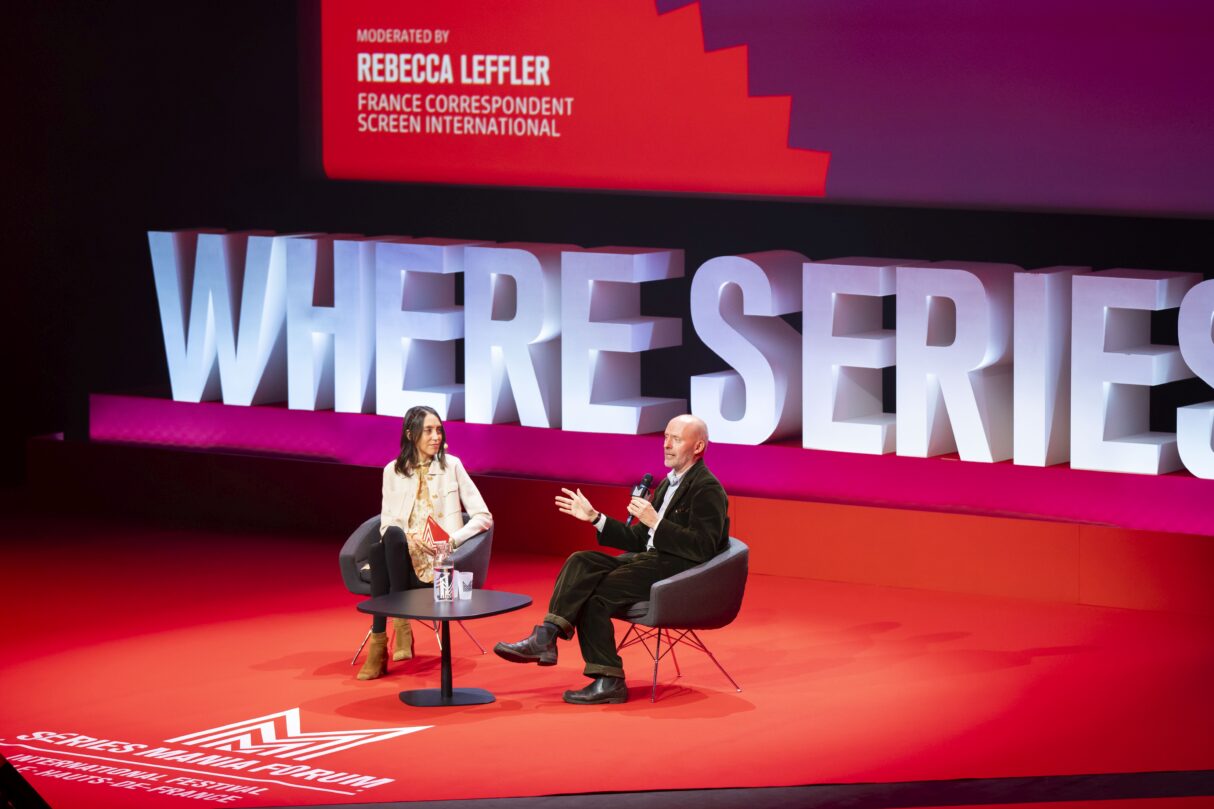
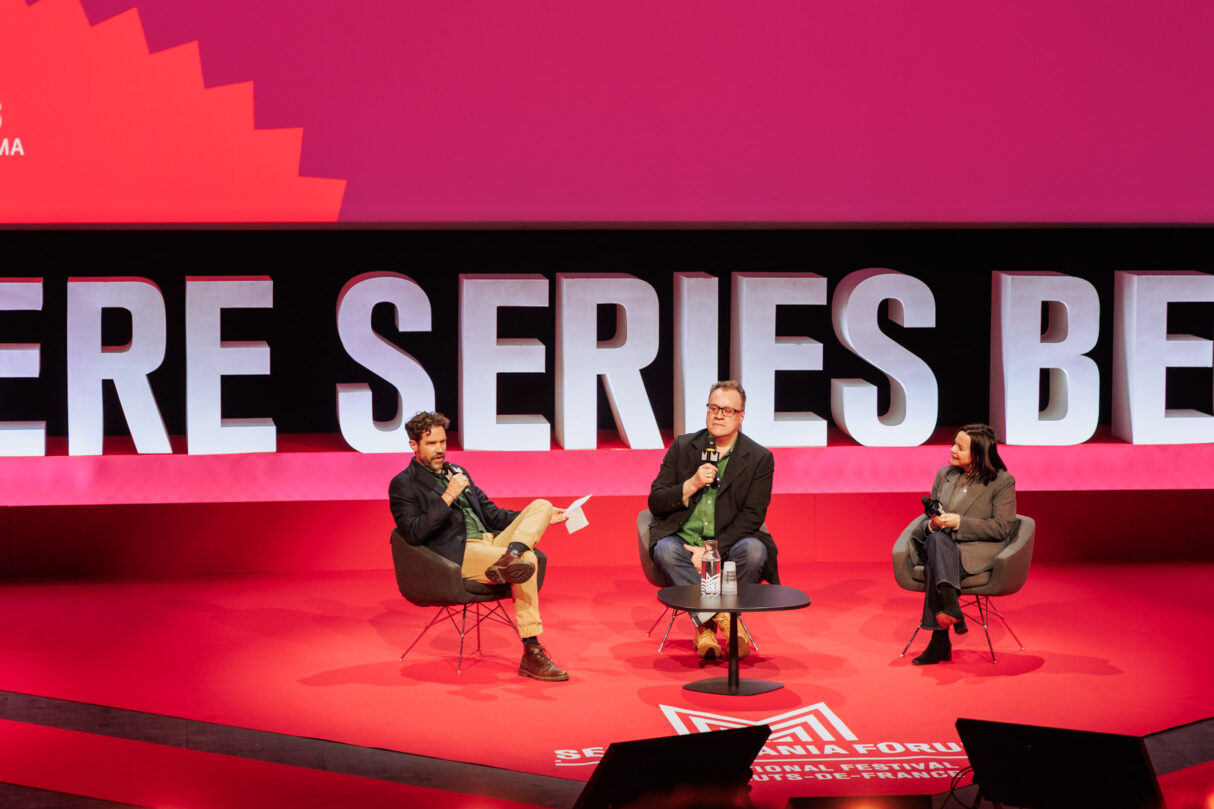
The Series Mania Forum’s program was exceptionally dense. In conferences held with the contribution of the European Audiovisual Observatory, new trends in the television and VOD market were discussed, while new co-production contracts developed for European series were brought to the agenda. Panels covering topics such as micro-dramas and the risks of censorship and self-censorship; speeches by executives from HBO Max, Disney+, SkyShowtime, BBC, and Fremantle; presentations by France Télévisions, Arte, TF1, and NHK; and masterclasses by Hugo Blick, Russell T. Davies, and Nicola Schindler were among the forum’s standout events.
One of the most striking topics in the panels was the future of the television production model in Europe. The report released on Wednesday by the Federation of Screenwriters in Europe bolstered these discussions. The report suggests that the established production model in Europe is under the political influence of several right-wing governments and the policies of Donald Trump. While creators expressed that access to public funds is becoming increasingly difficult, concerns were raised that some screenwriters are avoiding projects that might anger far-right administrations, leading to self-censorship. Within this atmosphere, the Secretary General of the Council of Europe, Alain Berset, emphasized that Europe needs to “remember how to tell its own story” once again.
Throughout the forum, the majority of speakers agreed on the same point: The era of “commission-based” work is coming to an end. It is becoming increasingly difficult for platforms and channels to finance massive-budget series alone. For this reason, the need for increased co-productions and international collaborations was frequently voiced. Many executives emphasized that co-productions will be the primary model of the future, stating, “The only way to reach these budgets is by establishing partnerships.” At this point, Series Mania stands out as one of the most ideal meeting points for finding creative partners.
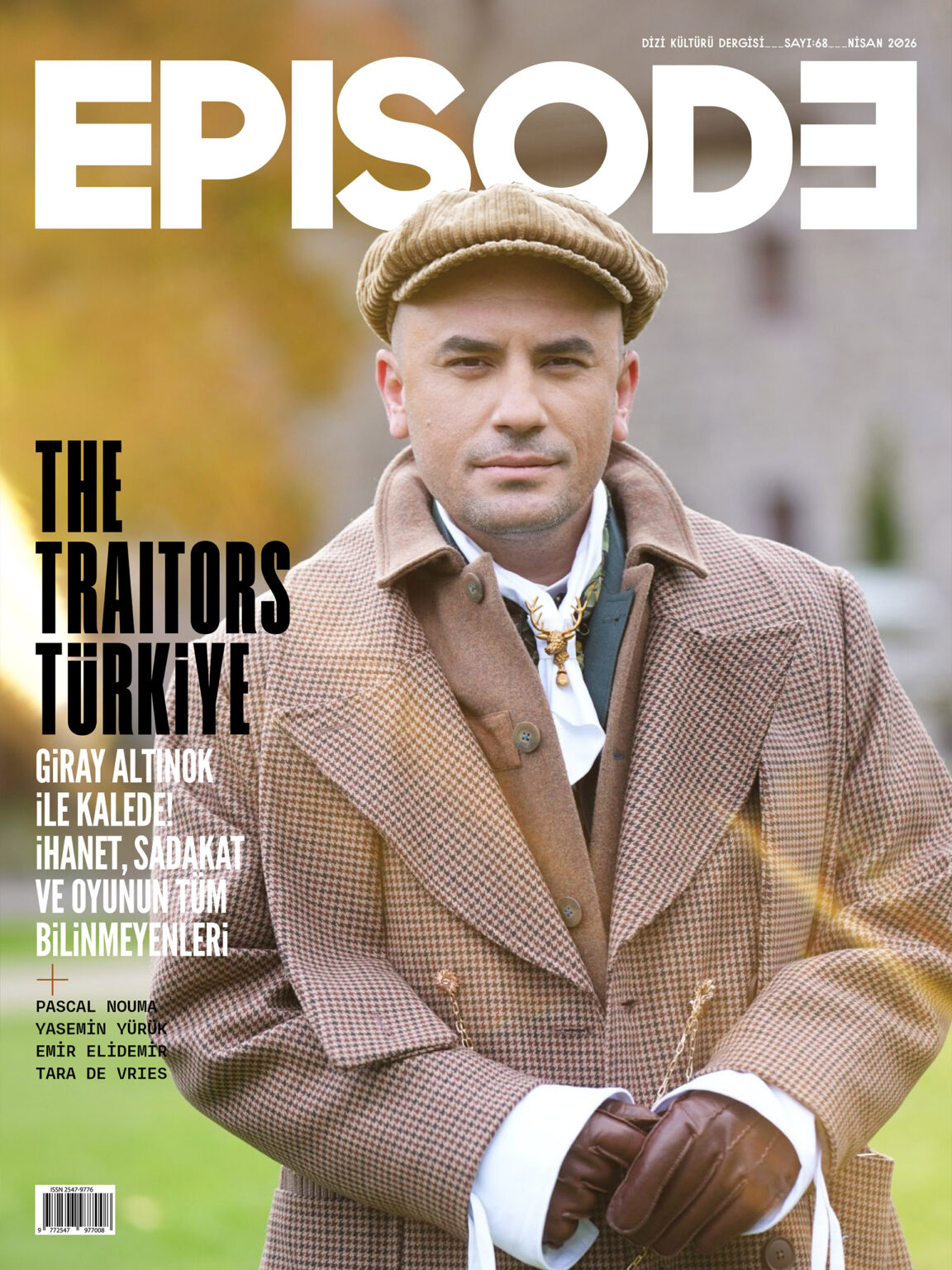
Another notable trend in the panels was the view that comedy is set to rise again. Many executives in the industry stated that after heavy dramas, audiences are gravitating toward lighter and more entertaining stories. In this sense, one of the names standing out on behalf of Türkiye was comedian and creator Giray Altınok. Presentations for Altınok’s projects, The Prince (prepared for HBO Max) and Gustav (to be aired on Disney+), were also held at Series Mania.
The presence of platforms at the forum was quite remarkable. While HBO Max and Disney+ executives showed a strong presence in panels, the absence of Netflix, one of the industry’s biggest players, was a surprising detail for many participants.
On the production side, one of the most rapidly growing formats mentioned was micro dramas. It was noteworthy that Türkiye’s name was frequently cited during discussions of this new narrative form. In particular, the work pioneered by Inter Medya indicates that Türkiye could play a significant role in the international expansion of this format.
Türkiye had a strong representation at the forum. A team led by the General Director of Cinema, Birol Güven, participated in Series Mania with a large stand to promote Turkish productions in the international market. Meeting with Turkish producers and creative teams, Güven gathered with industry representatives at a dinner organized within the scope of the forum and sent the message that Türkiye would participate in the fair with a larger delegation next year.
One important aspect that distinguishes Series Mania from other television fairs is that it is not merely a market where “business” is discussed. While many events focus constantly on trade, here, panels, workshops, and conversations that nourish creativity draw attention. Thanks to sessions focusing on different creative fields, from screenwriting to directing and even series soundtracks, participants are able to feed on new ideas. In other words, Series Mania is not just a market where projects are sold; it is also like a creative laboratory where future trends are sensed.
Of course, the social side of the forum was discussed at least as much as the panels. The parties held in the evening were some of the most vibrant moments where participants met. At the first night’s party, the set by French DJ Yuksek, whom we know from festivals, was a pleasant surprise for many and added a distinct energy to the night.
For industry professionals who discussed the future of series in Lille for three days, Series Mania was remembered this year as a meeting point where both new partnerships were established and creative energy was renewed.