


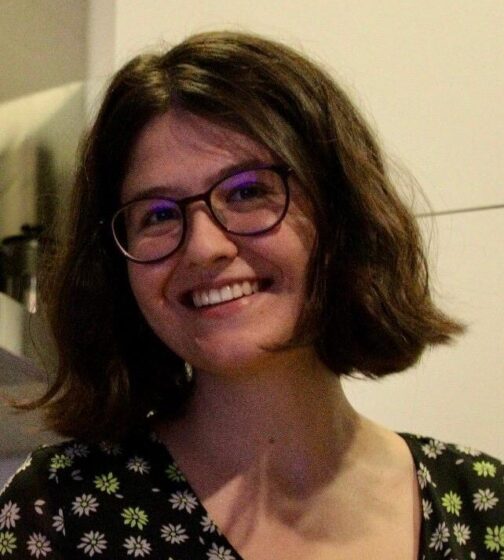

For our NEM Dubrovnik 2026 issue, we spoke with Sinem Alışkan, Inter Medya‘s Senior Sales and Communication Manager for the CEE Region.
Inter Medya continues to solidify its presence in the CEE region by delivering a diverse slate that caters to both traditional broadcasters and dynamic digital platforms. With highly anticipated international co-productions like Caged Love and a growing catalogue of innovative micro dramas, the company is bringing fresh narratives to its loyal audience base.
For our special NEM Dubrovnik issue, Sinem Alışkan, Inter Medya’s Senior Sales and Communication Manager for the CEE Region, shares her insights on shifting buyer preferences, the rising demand for premium dramas, and the strategic positioning of Turkish content in today’s com- petitive market.
Micro drama titles are much easier to test, schedule, and integrate into digital-first strategies. They allow platforms to take risks without the long-term commitment of traditional series, which is very attractive in today’s fast-moving content environment.”
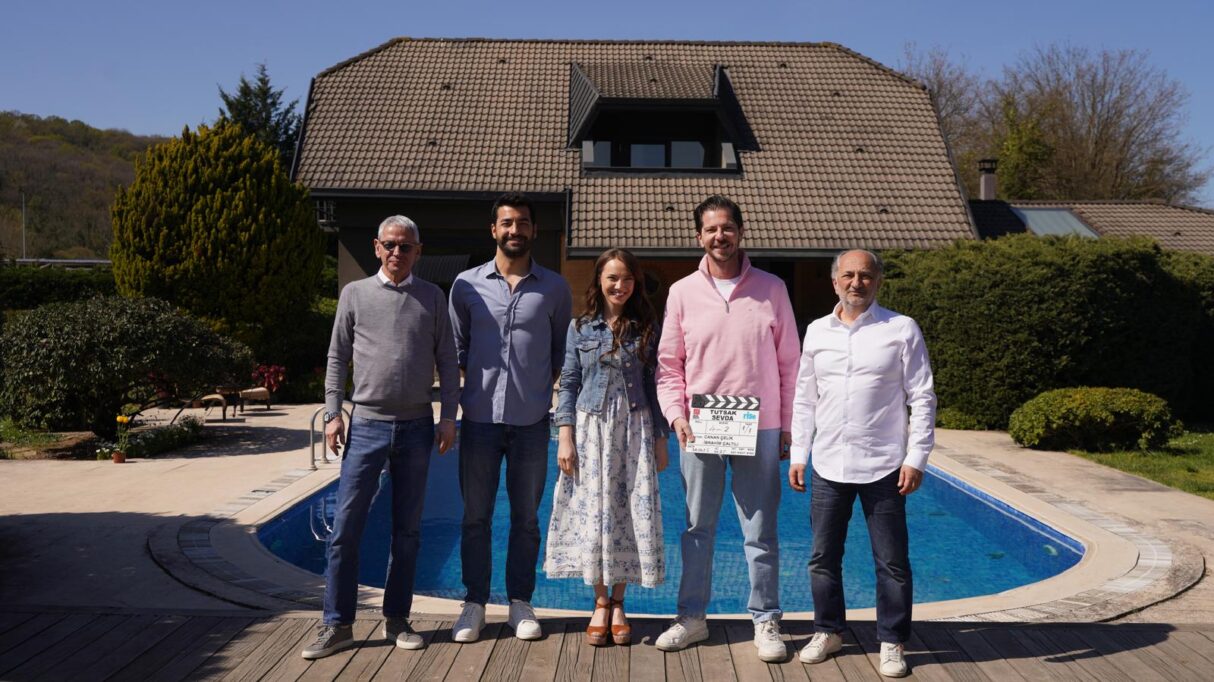
You have recently started filming Caged Love, the first fruit of your strategic partnership with Rise Studios. How do you evaluate the sales potential of such international co-productions in the CEE region?
Caged Love is a very exciting title for us and an important first step in our collaboration with Rise Studios.
In the CEE region, we continue to see a strong appetite for high-quality Turkish dramas, especially those that combine emotional intensity, strong characters, and universal themes. Turkish content already has a very solid and loyal audience base across the region, so we are confident that Caged Love fits naturally into that demand.
What makes this project particularly strong is its powerful storytelling and emotional depth, which we believe will resonate well with audiences in CEE. I see strong potential for Caged Love not only in this region but also in wider international markets.
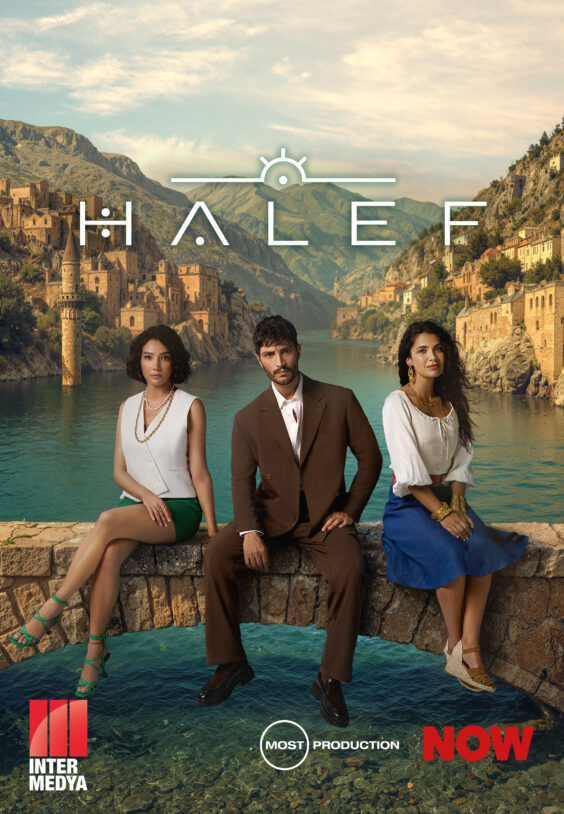
We know that the series Halef has been sold to Romania and Hungary in recent months. What do you think are the primary reasons for the demand for high-production dramas like Halef in this region?
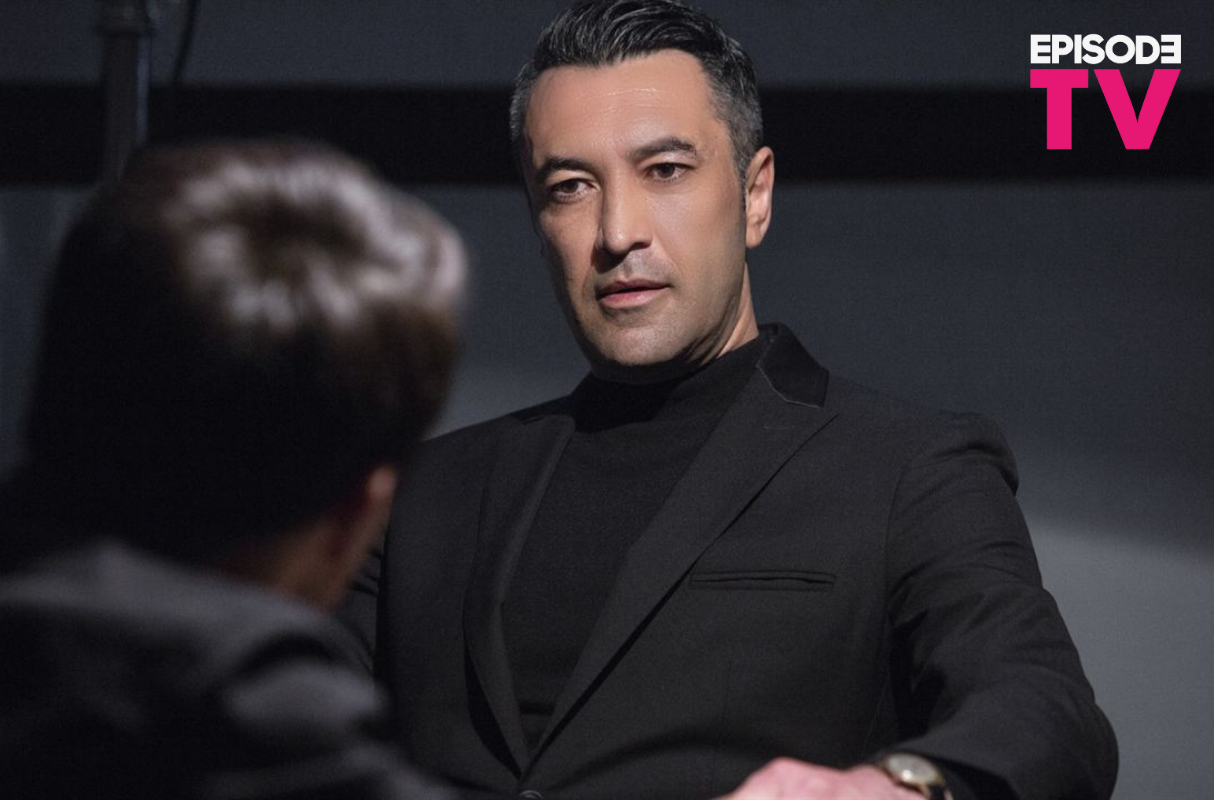
The interest in Halef from Romania and Hungary really shows how strong the appetite for Turkish dramas continues to be in the CEE region, especially when the project has a clear premium feel.
In these markets, audiences are already very familiar with Turkish storytelling, so what makes a difference now is the overall quality of the production and how strongly a title stands out within a broadcaster’s schedule. Halef clearly has that impact with its strong atmosphere, compelling characters, and high production value.
Another point is that broadcasters in CEE are very strategic with their acquisitions. They are looking for content that can hold prime slots and deliver consistent performance, not just fill the schedule. Strong dramas like Halef fit exactly into that need. So I would say this demand comes from a mix of trust in Turkish content and a very practical programming need for high-impact, reliable dramas.
There is a growing interest in micro dramas such as Boardroom to Bedroom, New Generation Family and Local Kid in your catalogue. What kind of feedback are you receiving for this format in the CEE region?
We are seeing a growing curiosity around micro dramas in the CEE region, and it’s a format that is starting to find its place in very specific parts of the market.
For Boardroom to Bedroom, New Generation Family, and Local Kid, the feedback in the CEE region has been quite positive, especially from digital platforms and younger-skewing broadcasters. The first reaction we usually get is curiosity, because the format is still relatively new in terms of structured, premium storytelling.
What stands out for buyers is the flexibility. These titles are much easier to test, schedule, and integrate into digital-first strategies. They allow platforms to take risks without the long-term commitment of traditional series, which is very attractive in today’s fast-moving content environment.
At the same time, we are seeing that performance expectations are still very high. Even though the episodes are shorter, the storytelling needs to be sharp, fast-paced, and immediately engaging, otherwise audiences drop off quickly.
So overall, the feedback from CEE is that micro dramas are not replacing traditional series, but they are becoming a very usefu additional layer in the catalogue, especially for platforms that want to experiment, target younger audiences, or increase engagement in a more flexible way.

The interest in Halef from Romania and Hungary really shows how strong the appetite for Turkish dramas continues to be in the CEE region, especially when the project has a clear premium feel. In these markets, audiences are already very familiar with Turkish storytelling, so what makes a difference now is the overall quality of the production and how strongly a title stands out within a broadcaster’s schedule. Halef clearly has that impact with its strong atmosphere, compelling characters, and high production value.”
The success of productions like Eshref Ruya and The Girl of the Green Valley in Serbia and Montenegro proves the permanence of Turkish stories in the Balkans and Central Europe. Which of your productions do you think will dominate the region and be your highlight at NEM Dubrovnik this year?
At NEM Dubrovnik this year, we are coming with a very strong and well-balanced slate that reflects both where the market is today and where it is heading.
One of our key highlights is Caged Love, which we are currently filming together with Rise Studios. It stands out as a powerful new title in terms of emotional intensity and storytelling strength, and we believe it has all the elements that travel extremely well across CEE and the Balkans.
Alongside that, Halef continues to build strong momentum in the region, reinforcing its position as one of our important ongoing titles, while Eshref Ruya also remains a strong reference point in our catalogue with its established appeal in the market.
At the same time, we are showcasing our growing mini series and micro drama catalogue, which adds a fresh and more flexible dimension to our slate, particularly for digital platforms and younger audiences. In addition, we are presenting our formats and feature films, which further highlight the diversity of our catalogue. What makes this year’s slate particularly exciting for us is its diversity and ability to respond to very different market needs.
Inter Medya possesses a powerful and diverse catalogue consisting of both major mainstream TV series and productions created for digital platforms in various formats. How are these digital-specific contents being received in the CEE region, and do you observe a particular preference for a specific sub-genre in terms of buyer feedback?
Digital-first content in our catalogue is receiving very encouraging attention in the CEE region, especially as the market itself is becoming more platform-driven and fragmented.
What we are seeing is that buyers are increasingly open to different formats, but their approach is quite strategic. Digital-specific titles are often evaluated with a different lens compared to traditional long-running series. The focus is more on immediacy, engagement, and how quickly the story connects with the audience.
In terms of preferences, there isn’t a single dominant sub-genre, but there is a clear pattern: contemporary, character-driven stories tend to perform best. Whether it’s relationship-focused drama, family dynamics, or socially grounded narratives, content that feels close to real life and easy to relate to is usually the most effective in the digital space.
We also see strong interest in faster-paced storytelling and shorter formats, which align well with changing viewing habits, especially among younger audiences and on streaming platforms. This is where our mini series and micro drama offerings are particularly well positioned.
Overall, the feedback from CEE confirms that digital content is not replacing traditional series, but rather expanding the ecosystem, giving buyers more flexibility and allowing them to target different audience segments more precisely.