



The third day of NEM Dubrovnik 2026 brought together leading industry executives to discuss some of the biggest challenges and opportunities facing the media business, from large-scale mergers to the growing impact of artificial intelligence on content discovery.
The day opened with networking sessions before the conference agenda turned to the panel What Mega Mergers Mean for the Future of Media, moderated by Maria Rua Aguete, Head of Media & Entertainment and Technology Fellow at Omdia.
Industry experts including Robert Franke, Sandra Lehner, Christian Grece, Jamie Cooke, Victoria Davies, and Damir Vrsajković examined how consolidation is reshaping the media landscape, influencing competition, content strategies, and global growth plans. The discussion also explored the implications of industry mergers for consumers and regulators as companies seek greater scale in an increasingly competitive market.
Jaime Cooke highlighted both the opportunities that excite him and the challenges that concern him: “It’s about local content, right? Because I think it’s very hard for players in the region who aren’t global players to compete. So local content is something that I think is really, really important for everyone in this room. And I think the callout would be this, again, it ties into mergers because there have been a lot of them in our region as well.
And I think one point worth highlighting is that this ties into the many mergers we’ve seen across our region. My advice would be not to get caught up in internal battles. Organizations need to be very clear about what they’re trying to achieve, because we’re already seeing tensions arise as companies work through the merger process.“
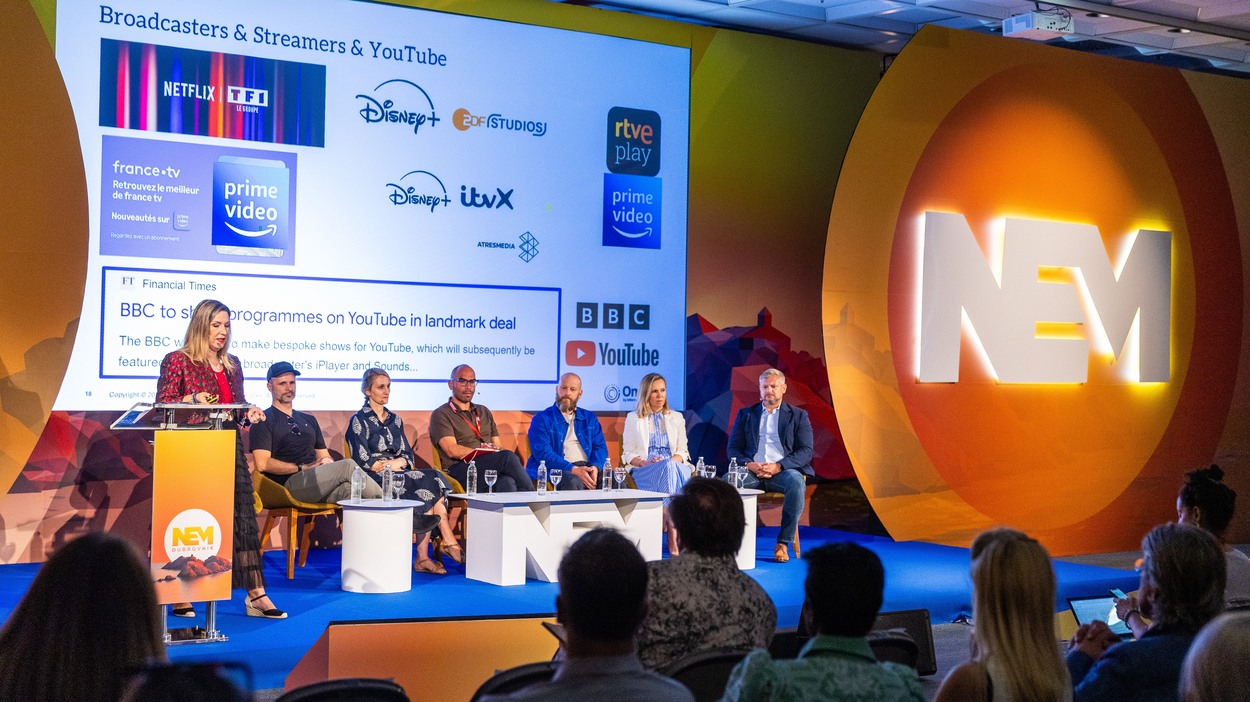
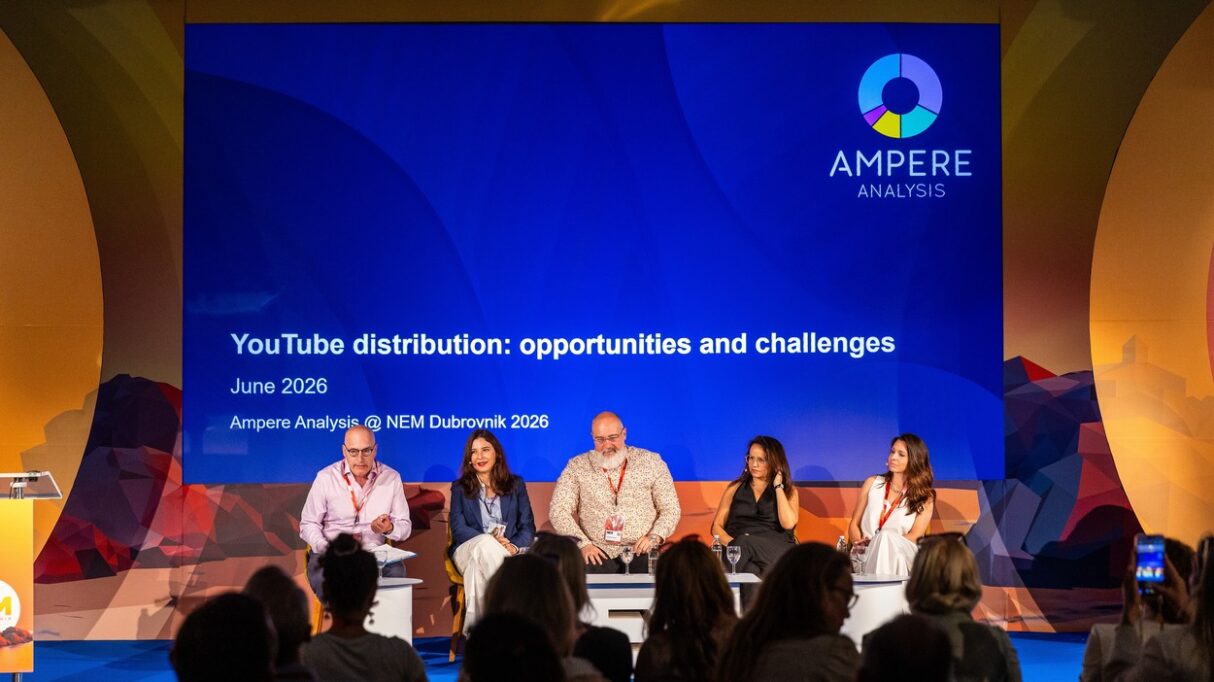
This was followed by the panel YouTube as a Distribution Opportunity, moderated by Guy Bisson, Executive Director & Co-Founder at Ampere Analysis, exploring YouTube’s growing role as a key distribution channel. As the world’s most-watched video platform, now alongside major streaming and broadcast players on connected TV, it offers strong reach, especially among younger audiences. The session looked at how to integrate YouTube into wider distribution strategies and make the economics work. Speakers included Valeria Korotina, Aleksandar “Kojot” Ašković, Karina Rompa, and Milena Djuričić.
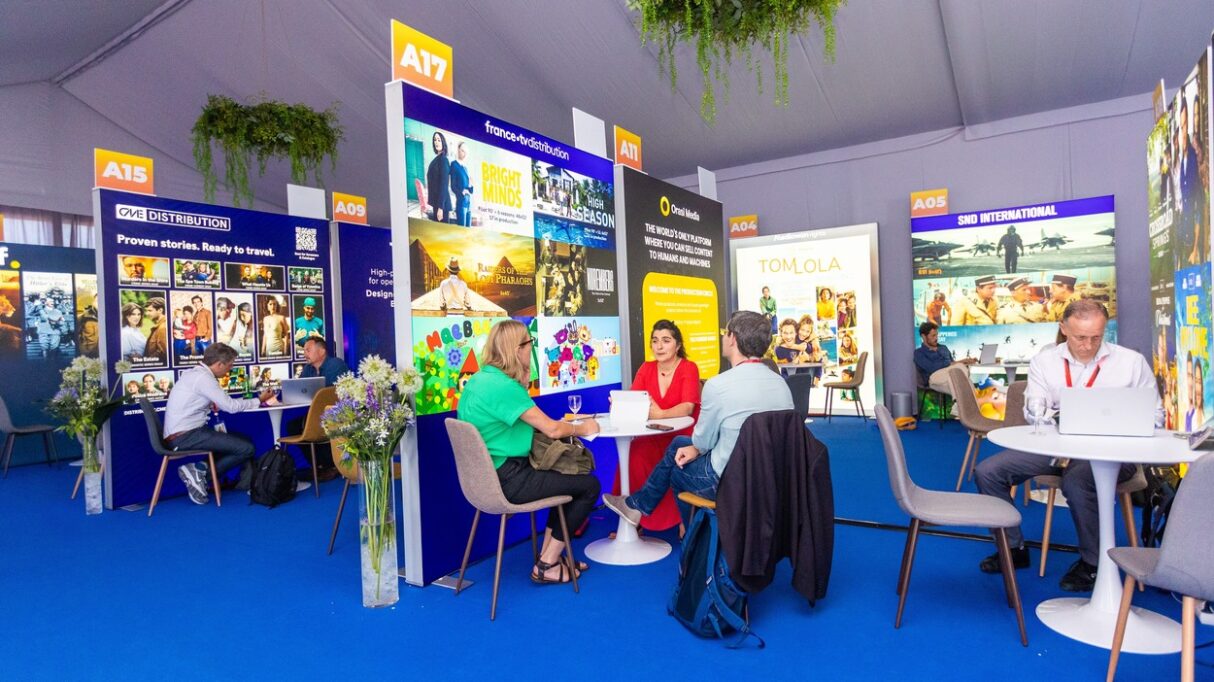
A keynote session titled Emotion and Experience: Six Theses on the Future of Entertainment, featuring Henning Tewes, Chief Executive Officer of Antenna Group, explored how entertainment companies can respond to accelerating media consolidation, changing audience behaviour, and evolving business models. “At Antenna Group, we believe success in entertainment comes from creating what we call ‘gravity’: the weight that draws audiences in and the attachment that brings them back again. This is our ambition as a European, multi-market, multi-business entertainment group: combining local roots with regional scale, free reach with paid depth, and screens with real-life
experiences,” said Henning Tewes.
International content continued to take center stage with the Lionsgate Showcase, presented by Mark James, Louise Padfield-Wilkins, and Sam Ellis, offering an exclusive look at upcoming titles and global content strategy.
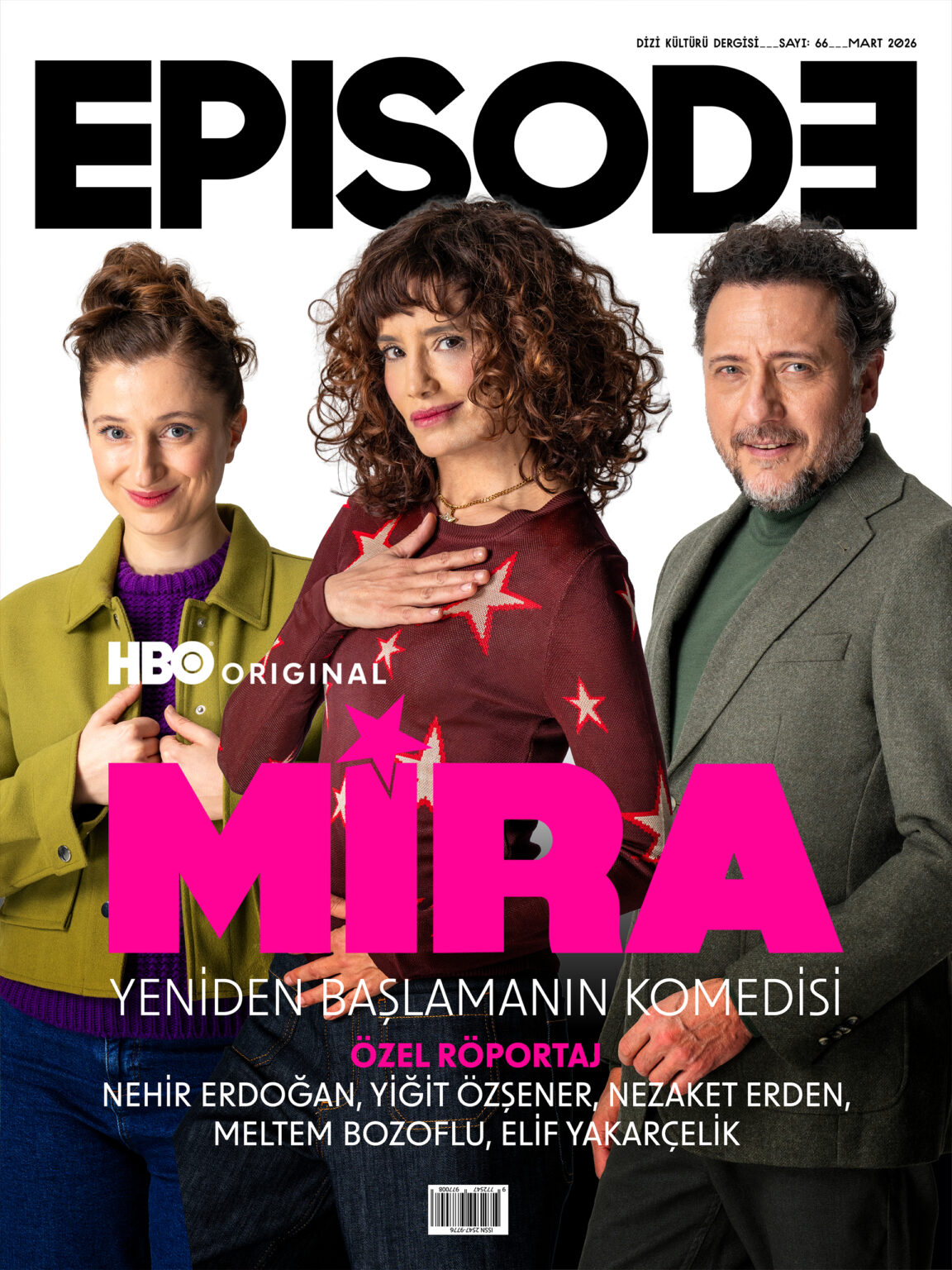
The presentation Mira by ATM Grupa introduced a new six-part murder mystery inspired by one of interwar Poland’s most sensational cold cases. Presented by Dariusz Gąsiorowski, the series combines psychological tension, crime and historical intrigue.
A panel on AI-powered discovery titled From Search to Suggestion: How AI is Redefining Content Discovery, sponsored by Wiztivi, explored how AI is transforming content discovery in an era of endless choice. The discussion focused on the shift from traditional recommendation engines toward more predictive, contextual, and personalized viewing experiences, and what this means for platforms, publishers, and audience engagement. The panel was moderated by Richard Middleton and featured Julien Tanguy, Antonii Mangov, Denis Oštir, and Michal Stefanski.
In the afternoon part of the agenda, the panel Stopping Digital Piracy: What Actually Works? gathered leading experts to discuss proven strategies in the fight against digital piracy. Moderated by Prof. Romana Matanovac Vučković (University of Zagreb, Faculty of Law), the session featured Mirela Hegediš Horvat (Croatian Telecom), Morana Čulo Jovičić (Telemach Croatia), Nikola Klisović, Panagiotis Varvatsoulis (Company for the Protection of Audiovisual Works, Greece), Chris Marcich (HAVC, EFAD, AGICOA), and Ivan Kadić (Reputeo), who shared insights on enforcement models, coordinated blocking measures, industry collaboration, and the balance between effective enforcement and user rights.
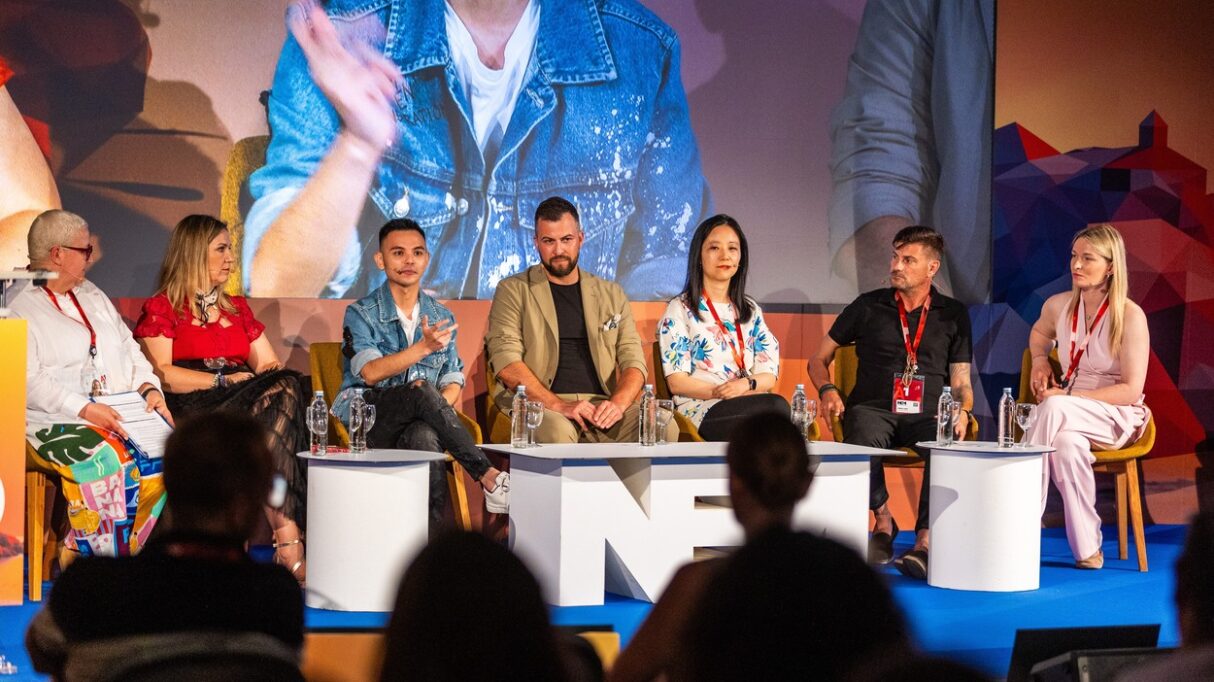
The afternoon continued with the panel Micro-drama in CEE: Safe Bet or Risky Business?, sponsored by Prva TV. Moderated by Katarina Pavlović (Prva TV and B92), the session featured Maria Rua Aguete (Omdia), Timothy Oh (COL Group International), Łukasz Wysocki (MediaSpurs), Cassandra Yang (RisingJoy), Uglješa Jokić (Rainmaker Production), and Monika Skeltė (LNK TV), who discussed the growing potential of micro-drama in the CEE region, from audience habits and storytelling culture to monetization models and platform opportunities.
A special screening followed with the A+E Global Media Screening – WW2 with Tom Hanks, offering attendees exclusive access to Episode One of the upcoming 20-part documentary event. Guided by Tom Hanks’ long-standing passion for World War II history, the series combines rare archival footage, expert insight, and powerful storytelling to revisit one of the defining conflicts of the modern era.
Panel Room activities concluded with the panel The Trend You Think Is Overhyped, sponsored by Backscreen. Moderated by Jan Frelek, CCO at Backscreen, the discussion featured Branko Čakarmiš (POP TV), Vanda Rapti (Viaplay Group), Izabella Wiley (Hearst Networks), Kenechi Belusevic (Warner Bros. Discovery), Tereza Polachová (Czech Television), and Inga Alika (Alika Media and Tech). Together, the panelists challenged some of the industry’s most talked-about trends, debating which ones may be receiving more attention than results, and what the media industry should truly focus on moving forward.
“The media industry has a habit of falling in love with the next big thing and declaring everything else dead. We’ve been attending television’s funeral for more than a decade, yet audiences continue to embrace great stories wherever they find them. Whether it’s AI, FAST channels or streaming, the winners won’t be those who chase every trend. They will be the companies that understand their audiences, adapt quickly and use new technologies with purpose,” concluded Izabella Wiley, SVP & GM, Central Europe, Hearst Networks.
The afternoon program featured Drinks on the Terrace by The Walt Disney Company, an invitation-only networking event.
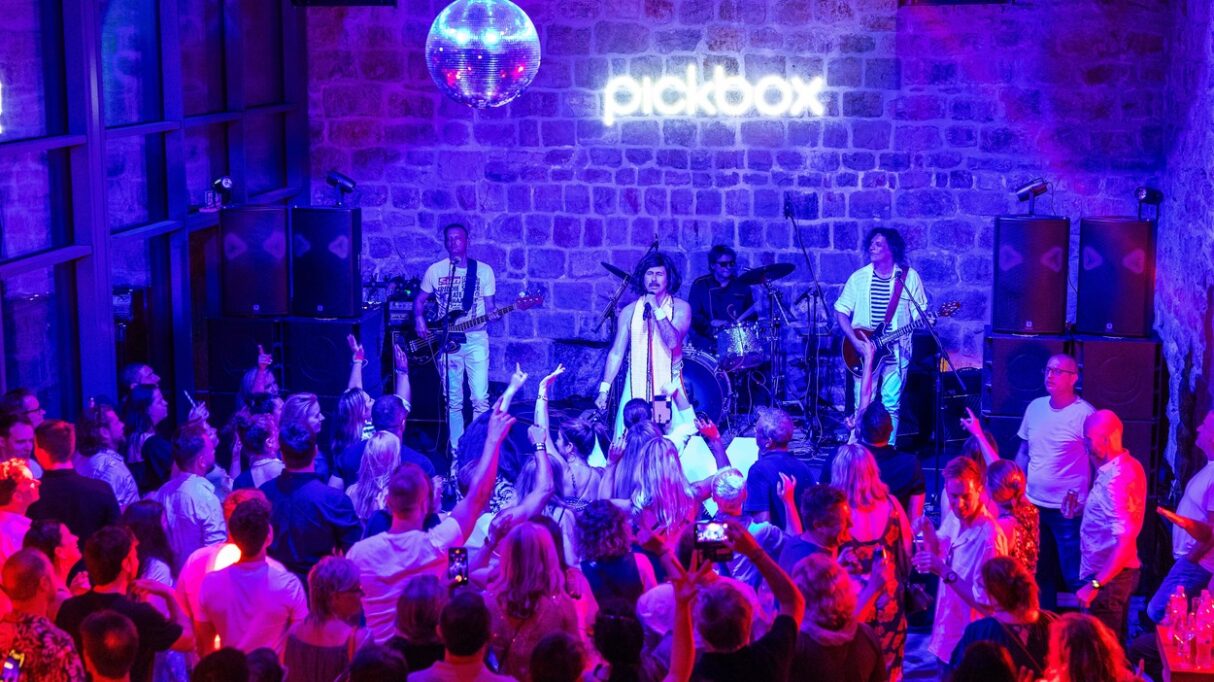
The evening program was highlighted by one of the standout entertainment moments of NEM Dubrovnik 2026: Pickbox Live: Queen Sensation at Lazareti. Set in the heart of Dubrovnik’s Old City, the evening featured a powerful live performance inspired by the legendary band Queen, followed by a late-night networking gathering that closed the day’s program.