



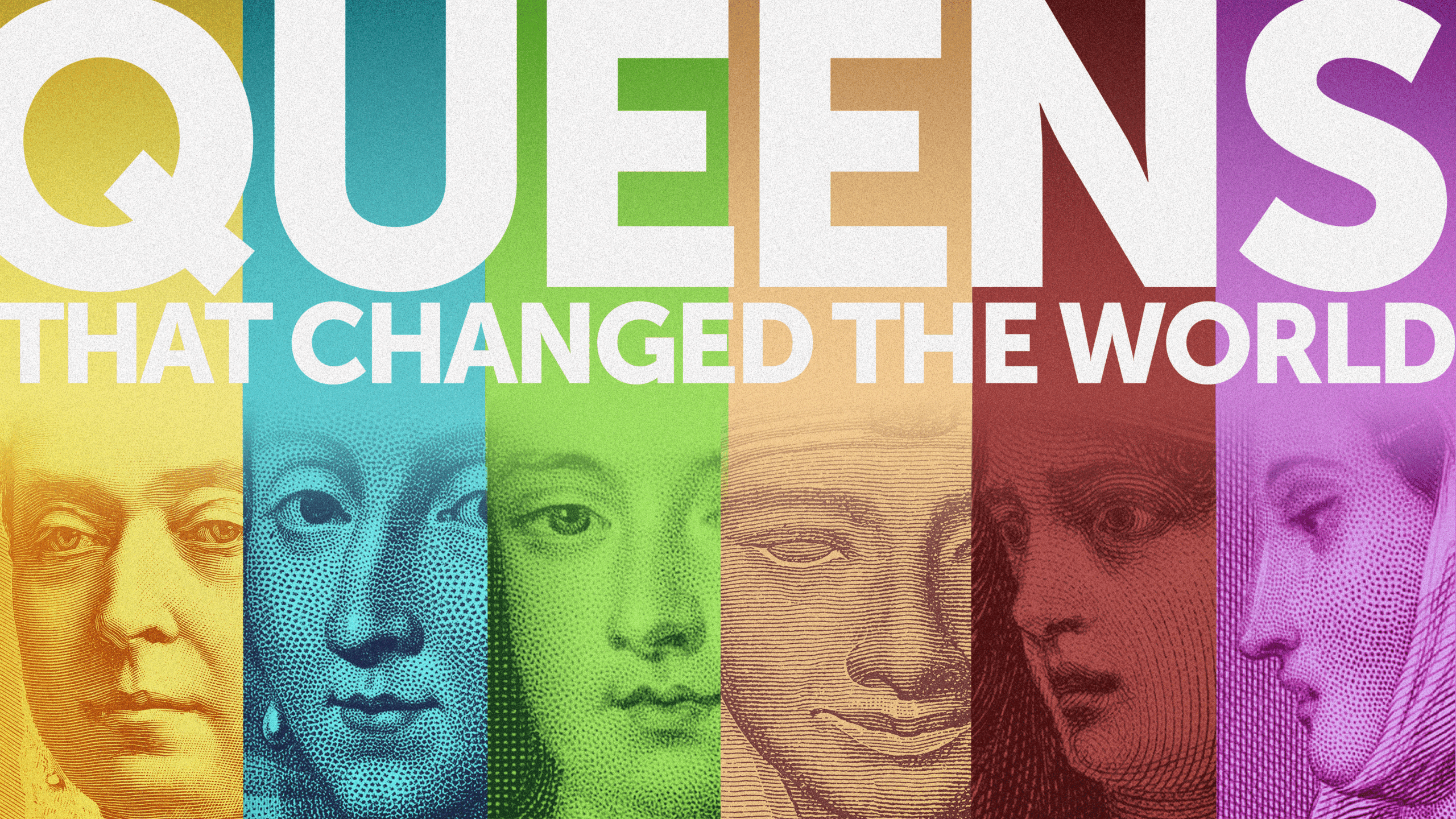
The compelling stories of history’s most formidable female rulers are set to return as Woodcut Media and Sphere Abacus announce the second season of the documentary series Queens That Changed the World.
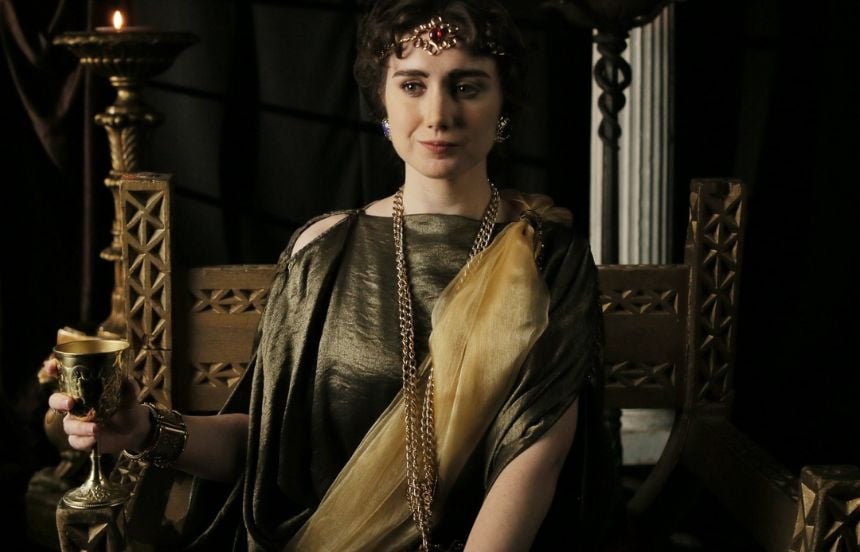
Ordered by BBC Select, the new season has already secured significant global reach through sales to BBC Studios America, SBS Australia, Sky Germany, and Czech Television. This six-part installment will delve into the lives and legacies of Maria Theresa, Mary Queen of Scots, Marie Antoinette, Rani of Jhansi, Agrippina the Younger, and Queen Charlotte, exploring how they asserted their authority and navigated the complexities of power in a male-dominated world.
Utilizing a blend of archive footage, stylized recreations, and expert academic analysis, the Woodcut Media and Sphere Abacus’ production investigates the unique strategies these women used to maintain their rule while examining the broader evolution of women’s roles in society.
Led by series producer Hayley Rhodes and executive producers Kate Beal and Angie Cox, the upcoming season promises a nuanced look at these iconic leaders, revealing how their gender often served as a secret weapon in their quest for sovereignty and survival.
Hayley Rhodes, Series Producer, Woodcut Media, said: “This series takes a fresh look at the lives and motivations of some of history’s most powerful women. These are women who have often been seen as one-dimensional, for example power-hungry, sexually voracious, or fragile victims of men’s machinations. We have been able to paint a picture that is much more nuanced, showing how these queens weathered storms and navigated the difficult dynamics of being a female ruler in a male-dominated world,” highlighted.
Jonathan Ford, Managing Director, Sphere Abacus, expressed: “We’re delighted to be distributing the second season of this unique and fascinating documentary series. Season 2 will give viewers further, unrivalled insight into the lives of strong female leaders who ruled during key times in global history and examine the long-lasting impact their decisions had on those periods”.