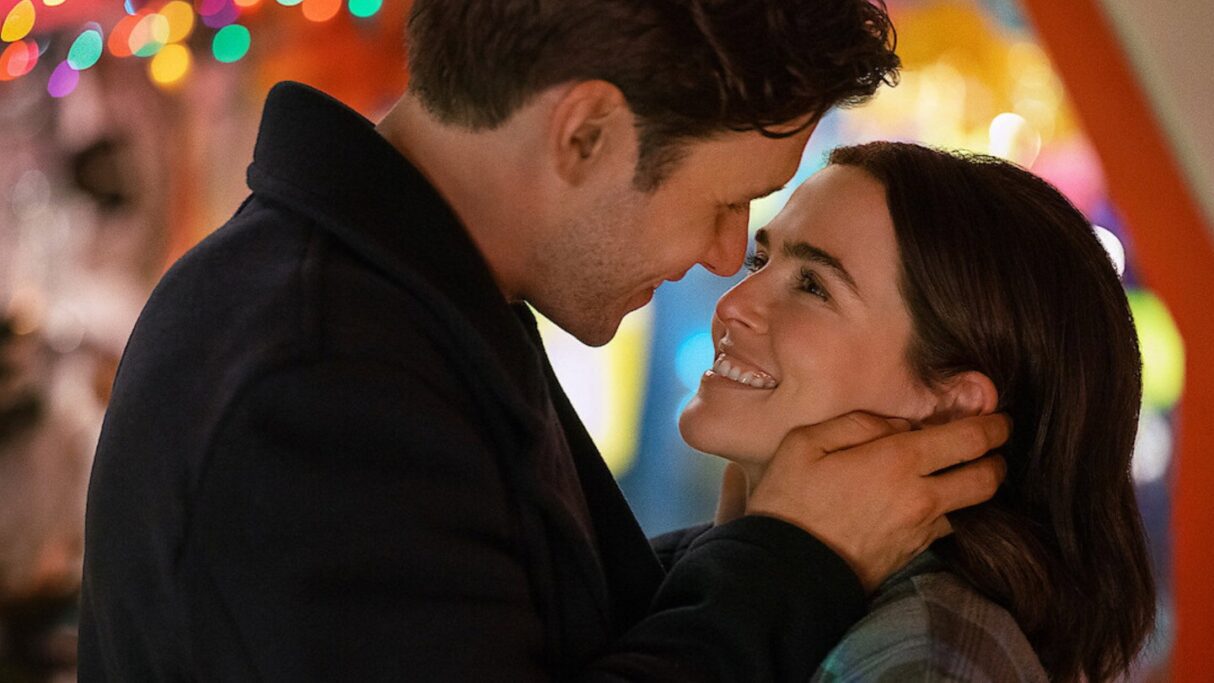





Eda Akça explores modern love through Netflix’s new romantic comedy Voicemails for Isabelle.
We live in an age where we can send our voices to anyone, anywhere, at any moment. With the press of a button, we can share not only our voices but also our faces with someone miles away, often receiving a response within seconds. Yet perhaps we are the worst communicators in history. People who once waited weeks for letters, or even relied on carrier pigeons, seemed far braver than we are when it came to expressing their feelings. Today, we can easily send our voices, but we struggle to send our emotions. We talk, we text, we leave voice messages, and still we postpone saying the words that matter most.
The Right Words Reaching the Wrong Person
Recently released on Netflix, Voicemails for Isabelle offers more than a romantic story; it presents a thoughtful reflection on the way we communicate.
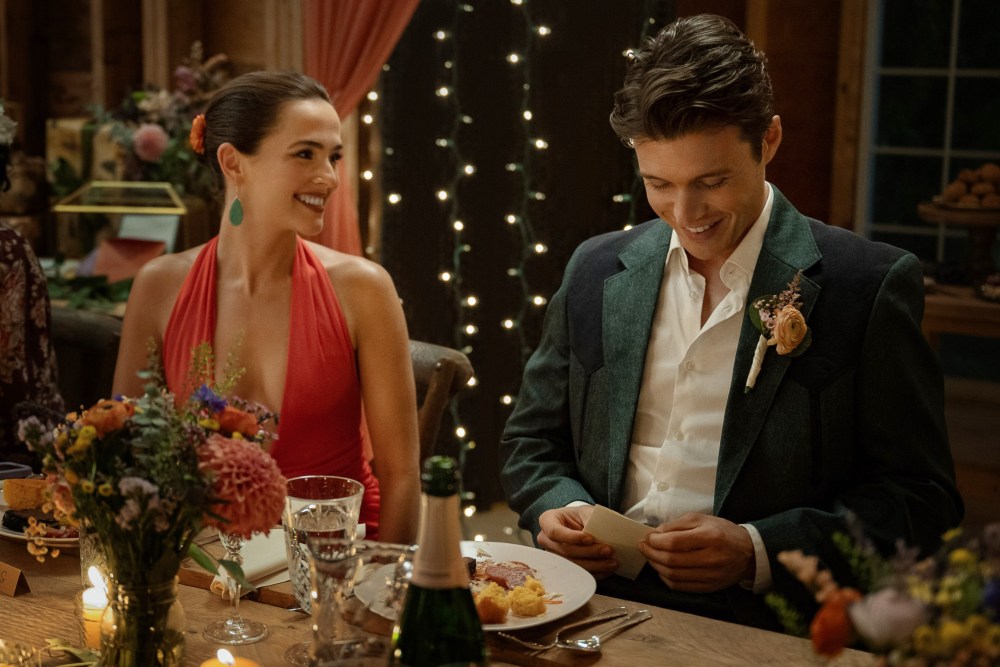
Voicemails for Isabelle begins when Jill (Zoey Deutch) starts leaving voice messages on the old phone number of her late sister, Isabelle. For Jill, these recordings are less about saying goodbye than continuing a conversation that was never truly finished. What she doesn’t realize is that Isabelle’s former number now belongs to a stranger named Wes (Nick Robinson). By accidentally listening to Jill’s messages, Wes becomes a witness to her life, her grief, her dreams, and her everyday routines. He gets to know her without ever seeing her, and begins to understand her without ever speaking to her.
I have to admit that, at first, the idea of Wes listening to Jill’s private voice messages felt more unsettling than romantic. My own experiences, and those I’ve witnessed, have taught me to approach the thought of a voice message reaching a stranger with caution rather than sentimentality. My immediate reaction was that those messages could just as easily have ended up in the wrong hands. After all, Wes could have been someone with bad intentions. That uneasy feeling never completely disappeared throughout Voicemails for Isabelle. What surprised me, however, was that Voicemails for Isabelle eventually drew my attention to something entirely different.
Speaking as Though No One Is Listening
Jill has no idea that a stranger is hearing her voice. That’s exactly why there is no performance in her messages, no attempt to impress anyone. She isn’t trying to seem more interesting, stronger, or funnier than she really is. There is no filter. One day she talks about her boss yelling at her; another day she shares how much she misses her sister.
Sometimes she confesses her failures, usually her failures, the ones we hesitate to admit to anyone. Other times she talks about tiny moments of happiness that we often consider too insignificant to mention. She tells all of it with the same honesty. Perhaps that is exactly what Wes begins to fall in love with, not the best version of Jill, but the truest one.
Today, when we meet someone new, most of us do the exact opposite. We carefully calculate how many minutes we should wait before sending our next message. We try not to appear too interested. We hide our vulnerable sides, smooth over our flaws, and present a version of ourselves that we believe the other person will like. Ironically, while trying to get to know someone, we often reveal the least about ourselves.
Maybe what makes relationships difficult isn’t a lack of love. Maybe it’s our habit of delaying what we truly feel, allowing our frustrations to grow in silence, or staying quiet because we fear we might come across as “too much.” While doing all this, we still expect the other person to understand us. Yet we are the ones hiding the clues and expecting someone else to solve the puzzle. To be understood, we first have to speak.
The Location of Our Favorite Bench
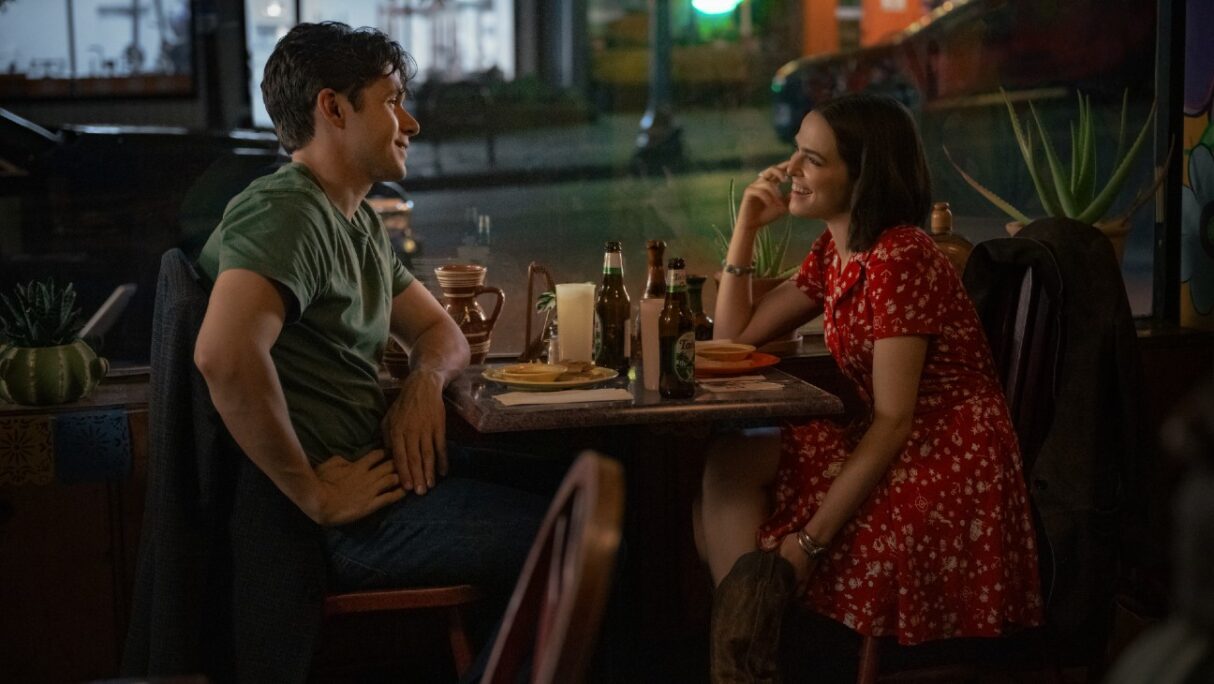
If Jill had known that a potential romantic partner was listening to her messages, she probably wouldn’t have spoken so openly. Throughout Voicemails for Isabelle, the connection between the two characters reminds us that being understood begins with expressing ourselves. Too often, we simply expect someone to know us without sharing the details that would actually allow them to. We don’t tell them what we love doing, which view we never get tired of, or which park bench feels most like home. Then we wonder why they don’t fully understand us or truly know who we are.
The truth is, only we know where our favorite bench is. No one else can guess it. But if we tell them, perhaps one day someone will quietly come and sit beside us.
I don’t know how many voice messages it takes to fall in love with someone. But I’m certain that what matters far more than the number of messages is whether the person speaking is truly being themselves.