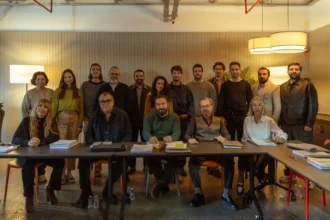



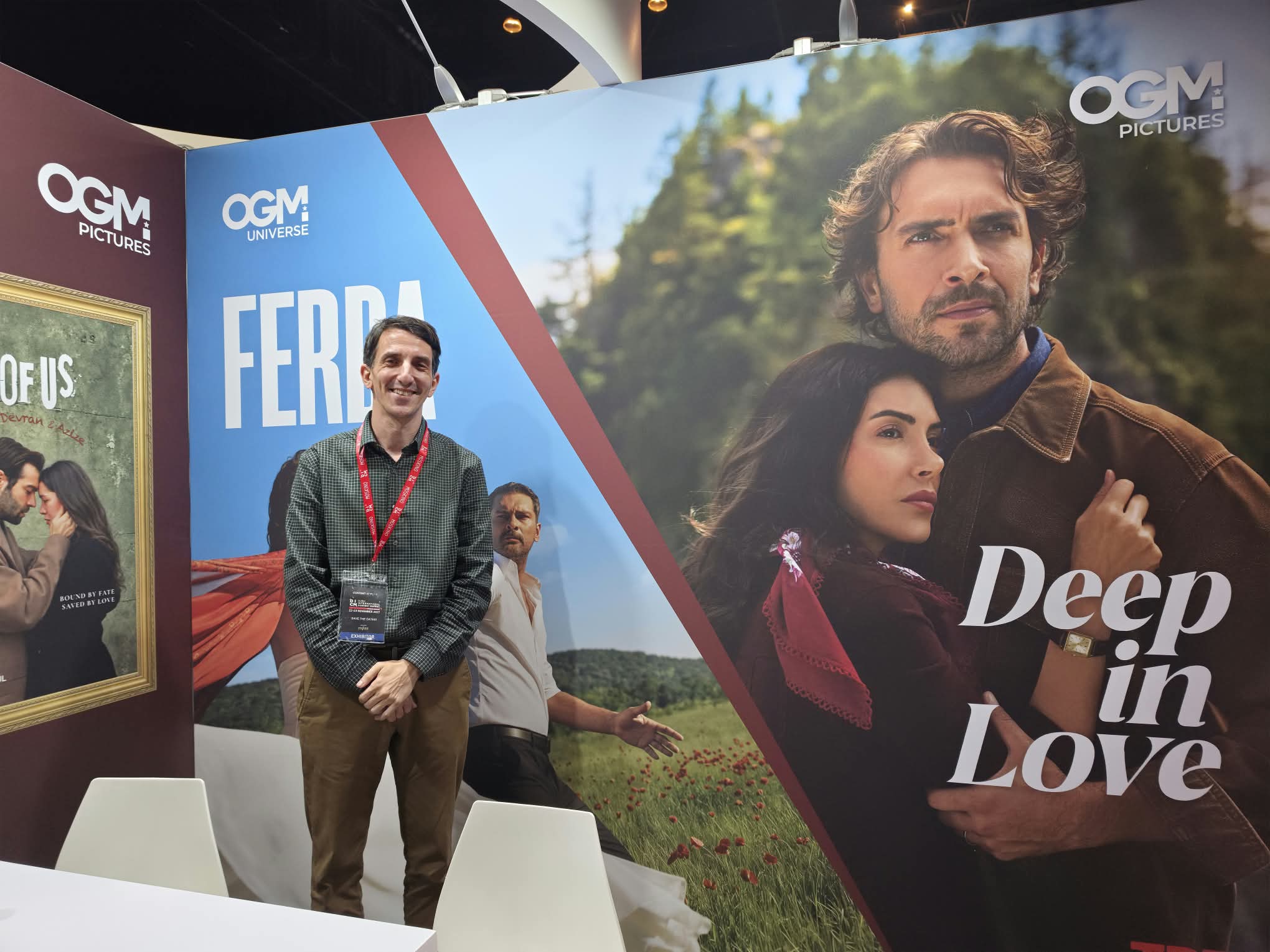
OGM attended DICM 2026 with a focus on strengthening its presence in the Middle East, one of the company’s key international markets. Despite a relatively quieter market compared to previous editions, the distributor held meetings with regional partners and presented its latest production to international buyers.
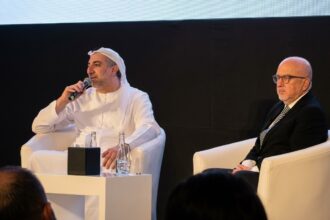
Selim Türkmen, Sales Director for MENA and Africa at OGM, spoke about the changing dynamics of the Middle Eastern market and the importance of maintaining the production quality that has helped Turkish dramas establish a strong international presence. He also discussed the economic challenges facing the television industry and the continuing role of Turkish series as a form of cultural influence.
How would you sum up DICM 2026 for OGM?
It was a good market for us, particularly on a personal level, as I had been somewhat disconnected from the industry for the past two years. It was a valuable opportunity to reconnect with the market and meet people again.
The Middle East has always been one of our most important territories. It is important for us to maintain our presence here and demonstrate that we remain committed to the region.
Compared with previous editions, there seemed to be less traffic this year, particularly from European and American companies. However, we managed to have our meetings, and the market remained productive for us.
Turkish dramas have established a strong position internationally. How important is their cultural influence, beyond their commercial value?
Turkish dramas are much more than a commercial product. They are a form of soft power, and I think this is one of the most valuable aspects of our industry.
For decades, Türkiye has been trying to communicate its culture and identity to the world through diplomacy. Yet there are still people in some countries who have very limited or outdated perceptions of Türkiye. Watching a Turkish series can change that. It allows audiences to see Istanbul, Turkish people and the diversity of our culture.
Our stories can appeal to very different audiences. Turkish actors can be dubbed into Spanish or Arabic, and viewers can identify with them as if they belonged to their own cultures. This cultural versatility gives Turkish productions an advantage in international markets.
We have seen how deeply these stories can resonate. People have started learning Turkish by watching our series, and some even prefer watching them in their original language with subtitles. That is a remarkable form of cultural connection.
With production costs continuing to rise, how important is it for Turkish producers to maintain their quality standards?
This is one of the biggest challenges facing our industry. We used to produce content at a very competitive cost while maintaining high production quality. Although production is no longer as inexpensive as it once was, we have managed to preserve those quality standards.
Our production model is also quite different from that of many other countries. In Türkiye, we produce and broadcast episodes while responding to audience ratings and feedback. This allows producers to adjust stories and make changes based on audience reactions.
In other markets, productions may complete an entire season before broadcasting begins. If a series fails to attract viewers, the broadcaster may still have to continue with the remaining episodes. Our system is more demanding, but it also offers a degree of flexibility that can be valuable.
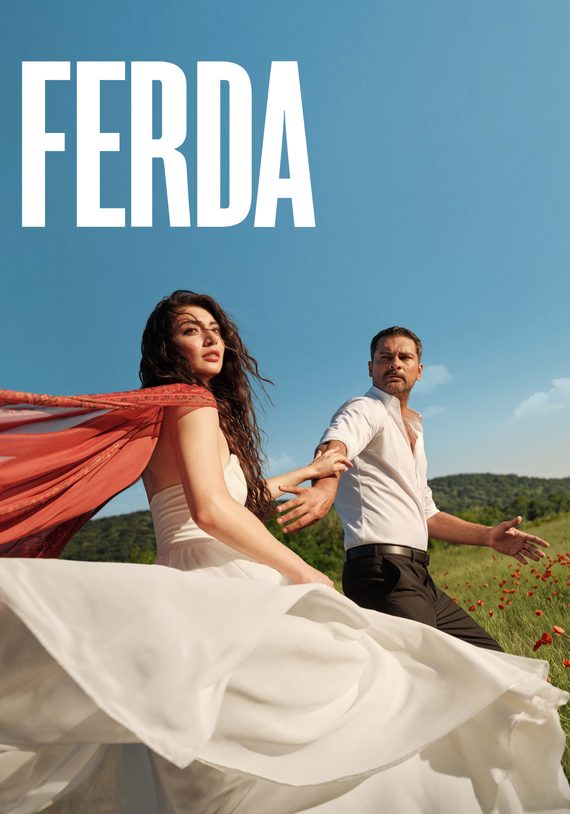
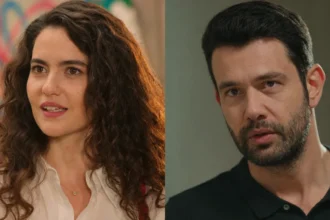
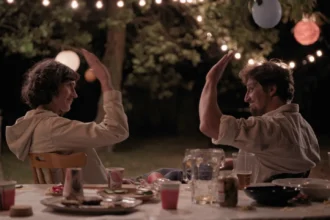
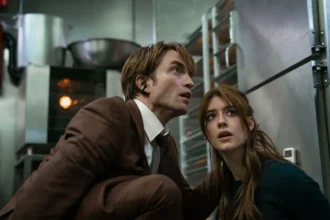
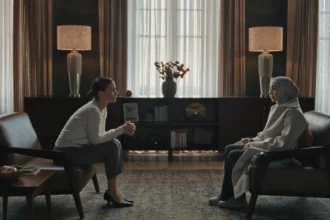
You also introduced FERDA to buyers at DICM. What kind of interest has the series generated so far?
FERDA has attracted attention, and one of the questions we keep hearing is, “When are you going to air it?” I have watched the series myself, and I am very pleased with what I have seen. We are now waiting for the right time to bring it to the screen. The interest and curiosity surrounding the project have been encouraging.