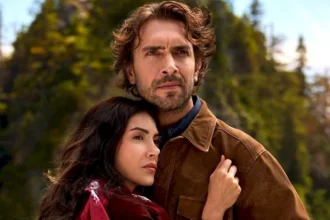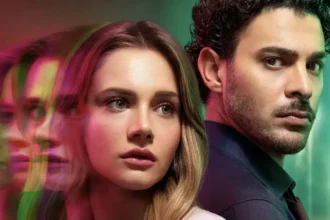





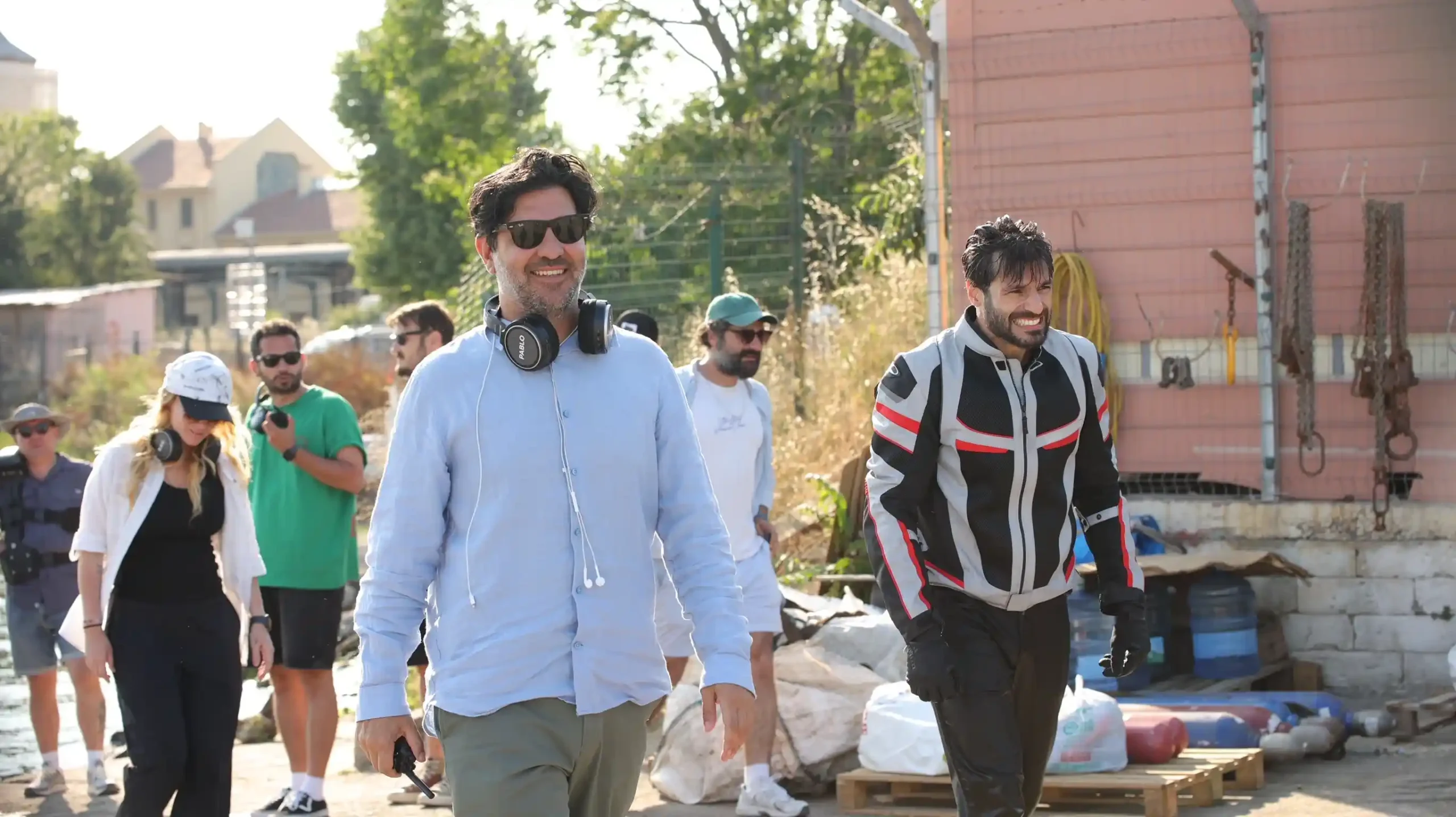
Acclaimed director Ali Bilgin brings audiences to the edge of a haunting dilemma with Disney+’s new original film The Last Scene: Is being able to change the future a form of freedom, or does knowing what lies ahead become the heaviest kind of prison?
Against the backdrop of a 198-day countdown, Bilgin traces the shifting boundaries between conscience, passion and fear. We spoke with him about the story’s psychological labyrinths and the relentless struggle between human beings and their own fate.
When you first read the screenplay for The Last Scene, what element of the story convinced you, as a director, that you wanted to make this film?
What drew me in most was the dilemma at the heart of the story: You know that one day the person you love is going to do something terrible to you, yet you still love who they are today. So what do you believe in? The future you know, or the present you are living?
At some point, the film shifts away from the question, “Can we change the future?” and becomes more about, “How does knowing the future poison the present?” That shift was what really convinced me. The 198-day countdown is simply the framework around it.
What was the first image that came to mind when you began constructing the film’s visual world?
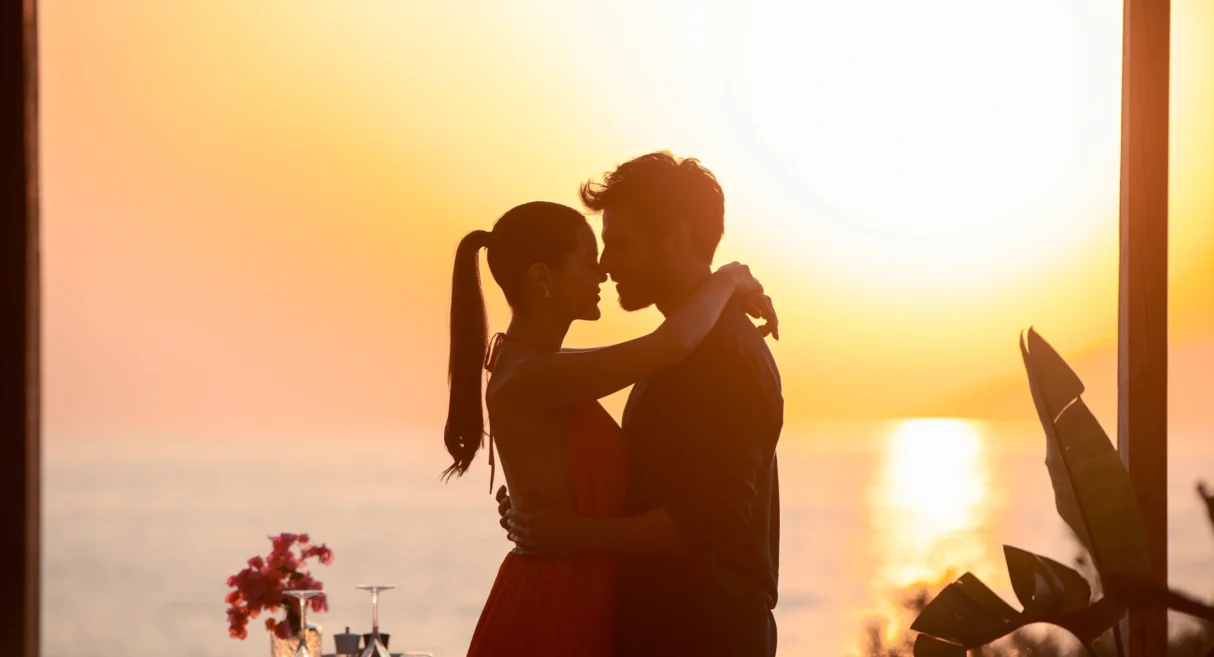
It was actually a very simple image: two people who love each other, with an accident or murder that has yet to happen standing between them.
We built the visual world around that idea. We wanted to create a sense of unease without making the film visually dark. Because life goes on: people laugh, they fall in love. But the audience knows something, and even when that knowledge isn’t visible within the frame, it is always there.
The story has a very specific 198-day countdown and follows a person’s attempt to change their own fate. How did you create that psychological tension and sense of racing against time through the direction, editing and use of music?
I didn’t want the countdown to overshadow the film. Rather than constantly nudging the audience and saying, “Look, time is running out,” we tried to make them feel the pressure that the passage of time gradually places on the characters.
The camera, editing and music all contribute to creating a world that becomes slightly more constricted with each passing day. Because the real tension isn’t that there are fewer and fewer days left. It is Selen looking at Kemal and seeing, at the same time, both the man she loves and the man who will kill her.
Selen and Kemal are both extremely vulnerable, layered characters who have carried trauma with them since childhood. When working with your actors to build the attraction and conflict between these two wounded people, what did you discuss most?
We talked a lot about one thing in particular: Don’t play the trauma.
They both carry wounds from their past, but people don’t go through life displaying their wounds; most of the time, they hide them. For me, the point wasn’t to create two “wounded characters.” It was to create two people who are able to forget their wounds when they are together.
That is where their love comes from, and it is also where their conflict comes from. The person who heals you the most can often be the person with the greatest capacity to hurt you.
The film poses a very powerful question: Which is harder, knowing the future or not knowing it? As the director of this story, what is your answer?
I think knowing is harder. As long as you don’t know, you remain inside your life. The moment you know, you stop living in the present and begin rehearsing the future.
That is one of the questions The Last Scene left me with: Perhaps freedom doesn’t lie in being able to change the future, but in not knowing it.
The real difficulty is the responsibility that comes with knowledge. Once you learn something, you can no longer say, “I didn’t know.” I think that is precisely what the film asks: Is knowledge a form of freedom, or is it a new kind of prison?
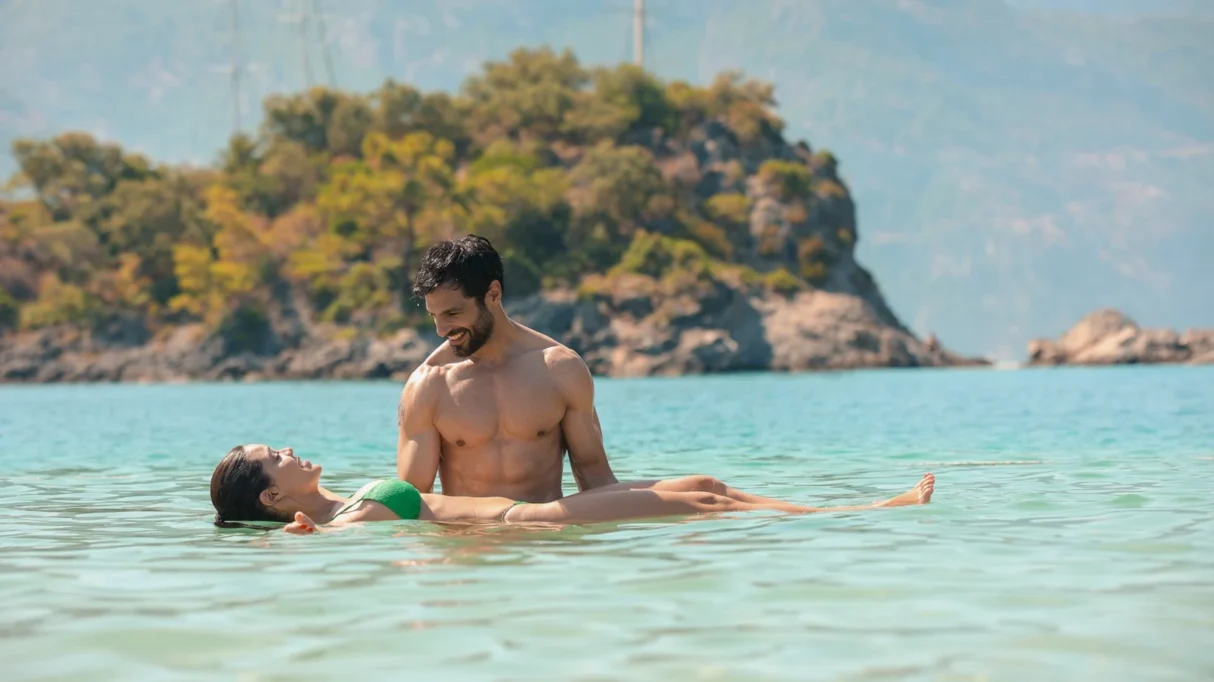
Your creative partnership with Sema Ergenekon on the series Family Secrets and Lovers & Liars continues with The Last Scene. What did you discuss most while creating the film, and where do you think you challenged each other the most?
The only thing we challenged each other over was making the project as good as it could possibly be.
Sema and I have been working together for a long time. I really admire her command of story and character, her creativity, discipline and way of working. She is both incredibly decisive and, once convinced, capable of being flexible. That is invaluable for a director and for everyone working collaboratively with her.
Over the years, we have spent countless hours working together and solving problems. Sometimes in the writing, sometimes on set, we have found ways of taking something in a different direction together. When one of us gets stuck, the other can open another door.
Of course, we argue a lot too. But I think that is partly where a good creative partnership comes from.
What are you working on next in terms of films and series following The Last Scene?
I like working on several stories at the same time, and right now I have projects in development for both film and television. There are also stories that have been on my mind for a long time and are now gradually beginning to take shape.
I want to step outside the world I have become accustomed to and make something that can surprise even me. Lately, I have found myself drawn to stranger characters, more unsettling stories and questions that don’t have obvious answers.
But what excites me most now, regardless of scale, are stories that allow me to genuinely try something new as a director.
And finally, The Last Scene question: If you had the chance to see just one image from your life five years from now, would you look? And if you did, what would you want to see?
I wouldn’t look. I’m absolutely certain about that because I’ve thought about it a lot. Maybe I would have looked in the past, but I wouldn’t now. And after making this film, I definitely wouldn’t.
Because if I saw something good, I would start shaping my life around trying to reach it. If I saw something bad, I would start shaping my life around trying to escape it. Either way, I would lose the present.
The moment you learn your fate, your life is no longer governed by your own choices but by your attempt to escape that fate. So I wouldn’t want to see a single frame from five years into my future.
But if I absolutely had to see something… I would want to see that the people I love are still in my life, healthy and happy.
‘The Last Scene’: Hilal Altınbilek Talks About Her New Film
‘The Last Scene’: Serkan Çayoğlu Talks About His New Film
‘The Last Scene’: Sema Ergenekon Talks About Her New Film