


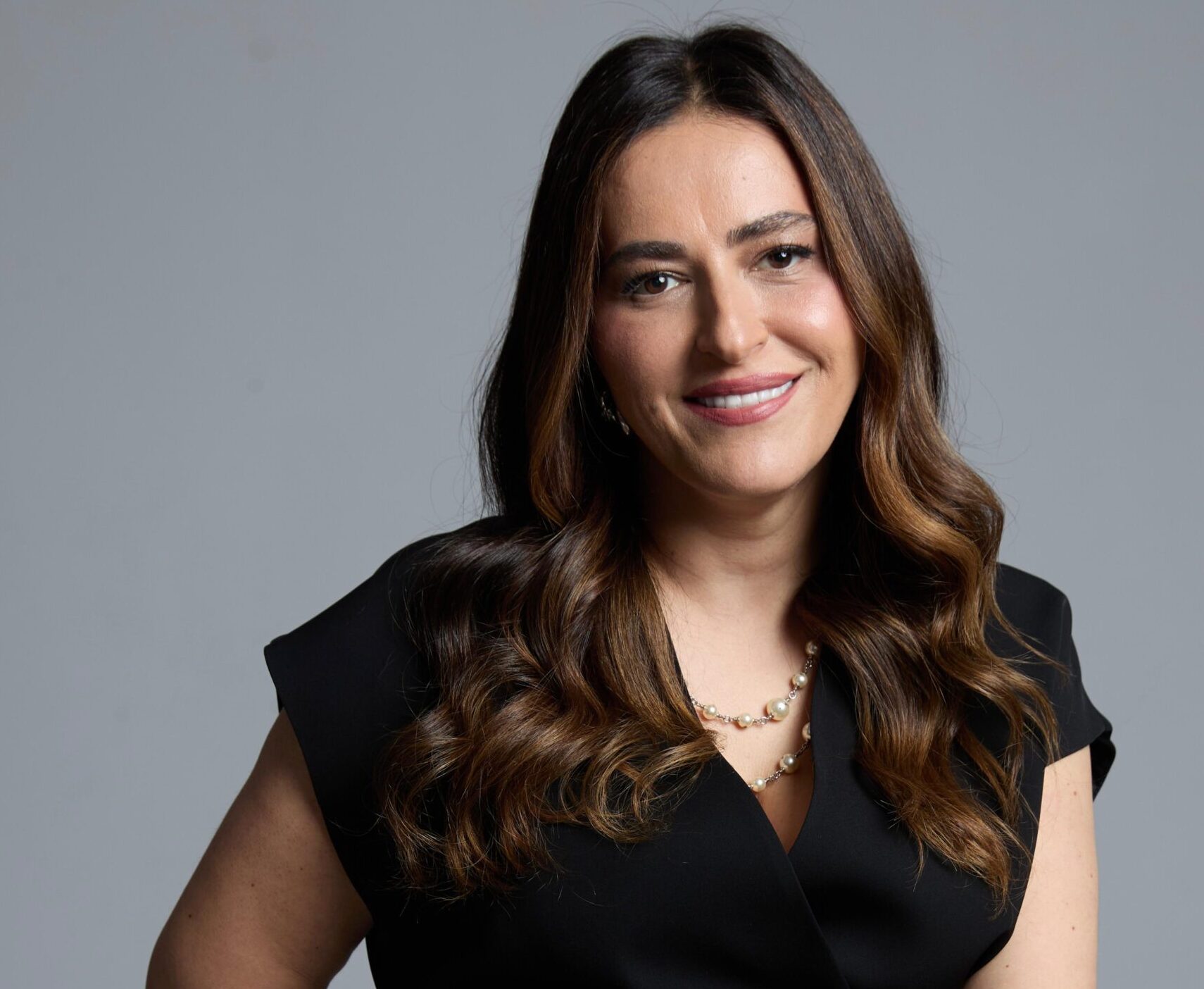
For our MIPCOM 2026 issue, we spoke with Handan Özkubat, Director of Turkish Drama at Eccho Rights.
For 15 years, Eccho Rights has been identifying Turkish series with the potential to travel far beyond their home market, from landmark dramas such as Ezel, Karadayı and Insider to international successes including My Home My Destiny, Chrysalis and Golden Boy. As the global television market becomes increasingly selective, the distributor’s long-standing experience offers a unique perspective on what makes a Turkish series resonate with audiences around the world.
At MIPCOM 2026, where Eccho Rights is celebrating 15 years of bringing Turkish drama to international audiences, Director of Turkish Drama Handan Özkubat speaks about the lessons behind that journey. Özkubat discusses how the company identifies international potential before a series even premieres, why emotional storytelling can matter more than production scale, the enduring global appeal of daily dramas and the growing demand for shorter premium titles.
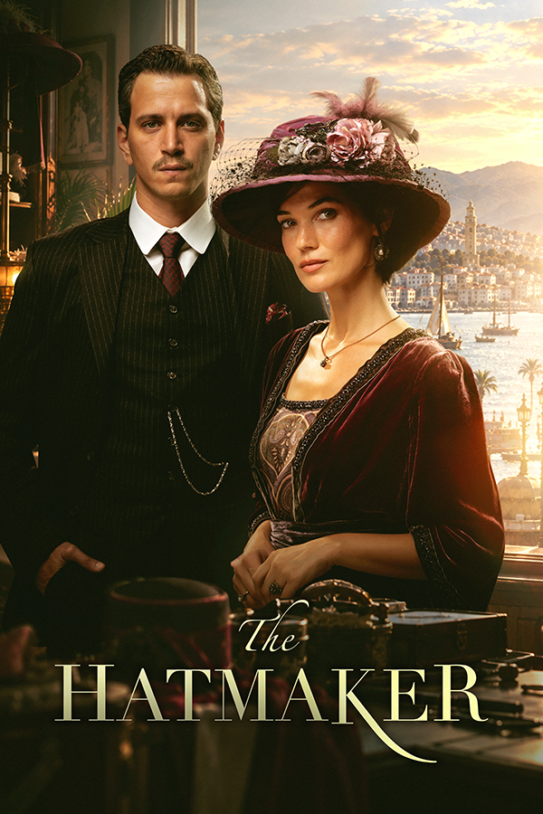
She also introduces Eccho Rights’ MIPCOM slate, including The Hatmaker, its major new Turkish drama launch starring Pınar Deniz and Selahattin Paşalı.
Eccho Rights has spent around 15 years identifying Turkish series that first prove themselves in Türkiye and then travel successfully around the world. From Ezel, Karadayı and Insider to My Home My Destiny, Chrysalis and Golden Boy, what have you learned over the years about recognising a series with genuine international potential? Are there particular qualities you look for when deciding whether a title can become a long-term global success?
Our real work begins long before a series airs. The Turkish market moves fast and is ruthless with underperformance: a series that doesn’t connect can be off the air almost as quickly as it arrived. So the skill is in reading a series at the outset: the script, the cast, the producer and the premise, and judging what will land before a single episode has aired.
Fifteen years in, our success rate is very strong, and we have had relatively few cancelled series. What we look for at that stage is fairly consistent, a strong central character audiences will follow -often though not always a woman- a moral or family conflict that needs no translation and a premise with the engine to run.
Your catalogue also demonstrates that international success does not necessarily depend on having the biggest production budget. Titles such as Elif, The Promise, Legacy and, most recently, Behind the Veil have shown that daily dramas can compete internationally with much larger-budget weekly productions. What do you think makes a relatively modestly produced series capable of travelling so widely?
The budget has never been what audiences respond to, emotion is. A daily like Elif, The Promise, Legacy or Behind the Veil works because it builds a relationship with viewers day after day, and that loyalty is worth more to a broadcaster than production scale. The format is also built to run: hundreds of episodes that can anchor a slot and hold an audience for years.
What these titles share is a clear emotional engine: a wronged mother, a family secret, a child to protect. Any audience can quickly grasp the theme. Spectacles can be expensive, impressive but also easy to forget. A story that makes people come back tomorrow is the harder thing to make, but that is what travels.
Behind the Veil has become one of the strongest examples of this strategy, with sales across Central and Eastern Europe as well as Latin America, and now heading into its fourth season. What have you learned from the international journey of the series, and has its success changed the way you evaluate or acquire daily dramas?
What stands out about Behind the Veil is that it is working now, even in a much tougher market than the one Elif launched into in 2015. Buyers have become far more selective, budgets are tighter and there is more content chasing fewer slots. For a daily drama to sell across Central and Eastern Europe and Latin America, and reach a fourth season under those conditions speaks to its high quality. That is the main thing we have taken from it, and it is why we have not changed how we evaluate a daily: what we look for is still proven to work, even now.
Eccho Rights acquired the global rights to Kanal 7’s daily drama Zerhun, continuing their long-running relationship with the broadcaster. What did you see in Zerhun that convinced you it could follow in the footsteps of Legacy, Winds of Love and Behind the Veil?
Zerhun has echoes of some of our most successful series, the story centering around a multigenerational family conflict that finds its hope and chances to resolve pinned to an innocent but wise child character. Series like Elif, Wounded Birds and Legacy have each had a strong central child character and audiences, particularly in LATAM, have found this hugely appealing.

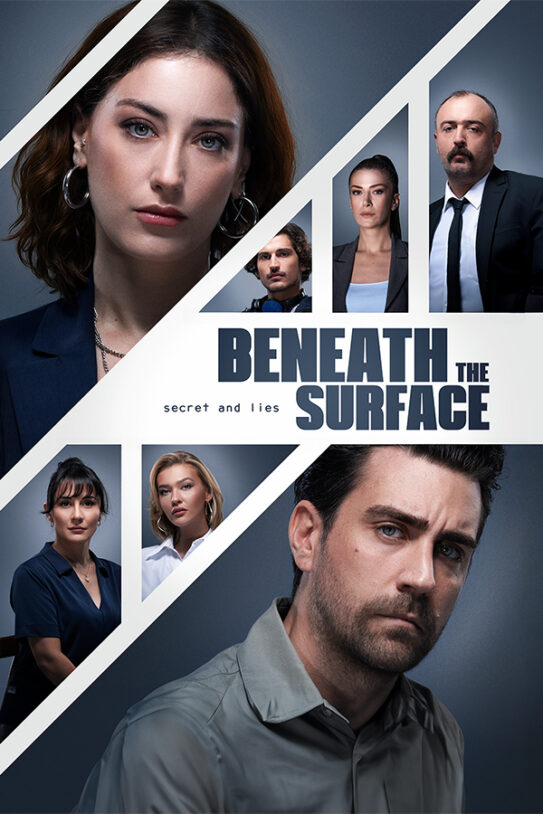
Eccho Rights has recently been expanding its catalogue across very different formats, from long-running daily dramas such as Behind the Veil to shorter premium titles such as Beneath the Surface and Another Chance. How has the balance between long-form daily drama and shorter premium drama evolved in your catalogue, and what are buyers asking for today?
It is all about having breadth of offer in an evolving broadcast landscape. The long-running series remain the backbone, they give linear broadcasters volume and a dependable strip. But alongside them we’ve been building a line of shorter, premium titles like Beneath the Surface and Another Chance, which answer a different need: finite, high-end stories that suit streaming slots and buyers looking for an event.
Your recent three-title deal with Alshana in Morocco –Kara, Grapes of Love and Beneath the Surface– also shows the breadth of Eccho Rights’ Turkish catalogue, from romance and family drama to premium crime. How important is it today for a distributor to offer buyers a diverse portfolio rather than relying on a single genre or format?
Just as different lengths of series are important, so too are genres. While the classic pillars of Turkish drama -romance, class differences, family conflicts- continue to have fundamental importance, Turkish content is now so well-regarded that buyers want comedy, crime, thrillers and even feature-length films from the same producers, because they know they will deliver the same quality they have become used to.
You have often spoken about the importance of stories with strong female characters, and titles such as I Am Mother and My Home My Destiny have travelled particularly well internationally. What kinds of female-led stories are buyers responding to most strongly today, and have you noticed any change in what international audiences expect from these characters compared with a few years ago?
Strong female characters have always been at the centre of the stories that travel furthest for us. What has changed is what audiences want from those characters. A few years ago the pull was often endurance: the woman who suffers and holds the family together. Today buyers are responding to agency: women who act, decide and drive the story rather than absorb it. The strength is still there, but it’s active. Mothers, professionals, survivors. Audiences want to see them make choices, not only bear consequences. That’s been one of the clearest shifts in international taste, and it’s shaping what we look for.
The international television market has changed significantly in recent years, with buyers becoming increasingly selective about the content they acquire. What are international buyers looking for in Turkish drama today, and have you noticed any significant changes in the qualities that make a Turkish series stand out globally?
The market has tightened, and buyers are more selective and more cost-conscious than they were at the peak. Ideally, they want evidence. How did a series perform with its home audience? Can it be localised and dubbed cleanly? Does it have the track record, and the seasons ahead, to justify the slot? Recognisable talent is also very attractive, but more than anything the buyer has to be able to trust the distributor they work with. That’s why we stand out with our track record for bringing long-running, successful series for them.
Now that MIPCOM 2026 is underway, what are the main priorities for Eccho Rights? What kinds of stories, formats or emerging opportunities are you most excited to bring to the international market this year?
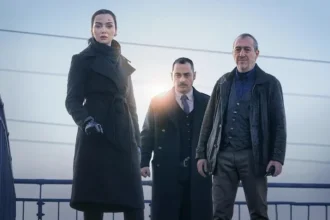
Our major launch at this year’s market is The Hatmaker, a brand new series with Pınar Deniz and Selahattin Paşalı, produced by O3 Medya. It is still in pre-production, but will be available for presales at MIPCOM. This is set to be one of the most significant Turkish series in recent history: a true A-list cast, a beautiful period setting and a creative team of serious pedigree. We can’t wait to share more.
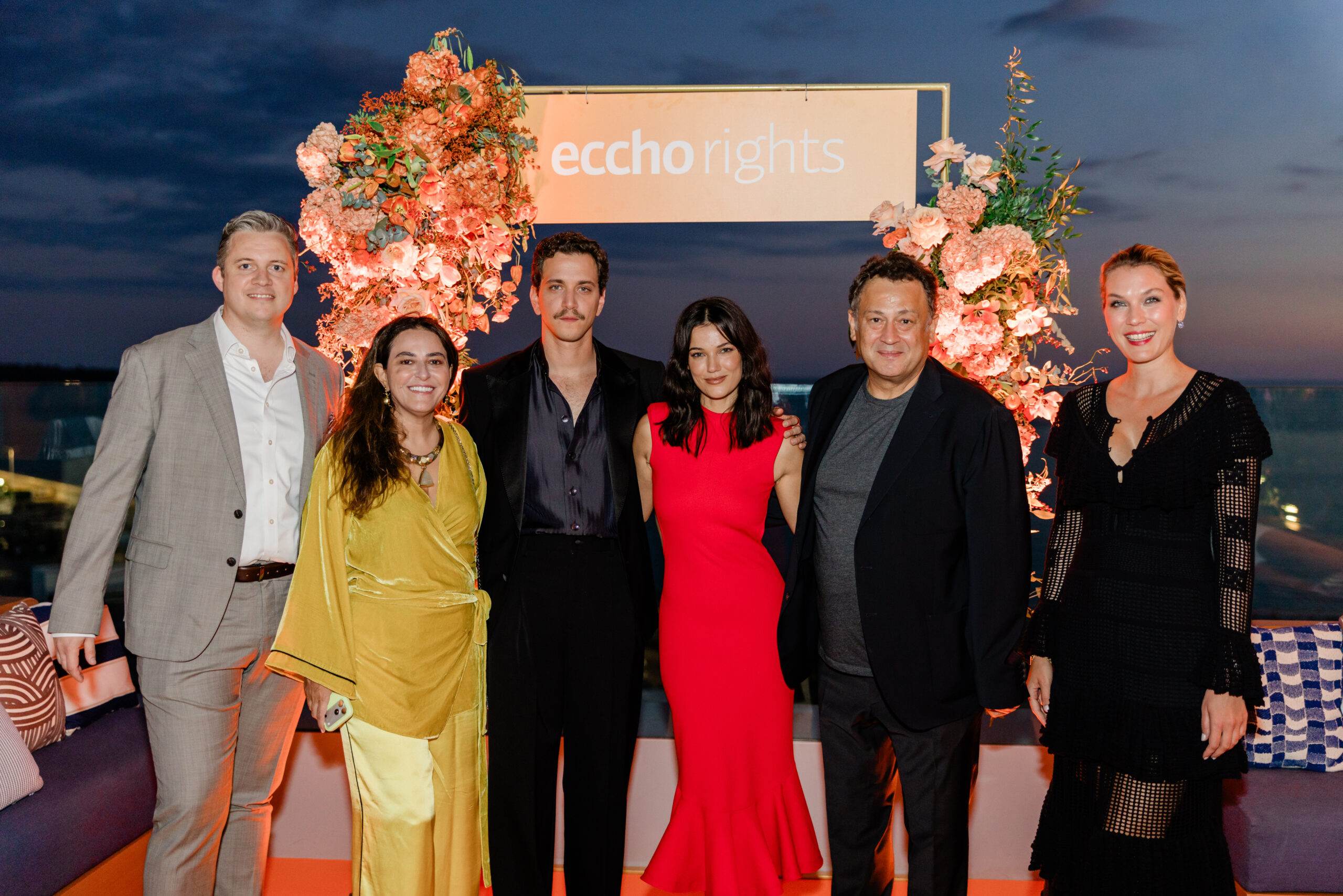
This is also a significant year for us more widely: we’re marking fifteen years of Eccho Rights bringing Turkish drama to the world, and MIPCOM is where we’ll be celebrating it.
Beyond that, our priorities are much as they have always been; we keep the daily dramas strong and reliable, we’re building our premium titles and we work closely with the producers who bring us the best material. But we don’t tie ourselves to one format. What matters is the story and the cast, and getting behind the titles we believe can travel, whatever shape they take. That is what we’re bringing to Cannes.